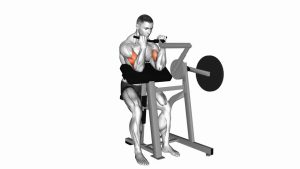
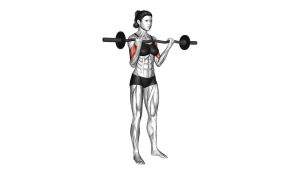
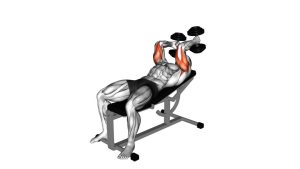
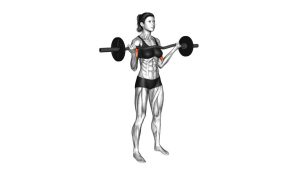
Dumbbell Seated Preacher Curl: Form, Muscles Worked, Sets, Tips & FAQ
Learn how to do the Dumbbell Seated Preacher Curl with proper form. Discover muscles worked, setup, step-by-step execution, sets by goal, common mistakes, FAQs, and recommended equipment.
Dumbbell Seated Preacher Curl
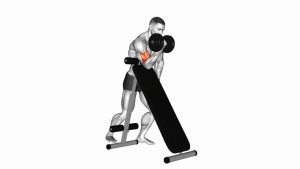
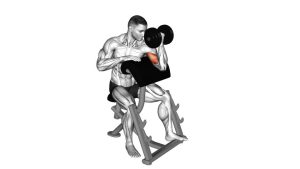
This exercise is excellent for lifters who want cleaner biceps training with less cheating. Because the preacher bench restricts body movement, the dumbbell seated preacher curl makes it easier to feel the working arm through the full range of motion. It is especially useful for improving mind-muscle connection, building the biceps peak area visually, and emphasizing controlled eccentric reps for hypertrophy.
Quick Overview
| Body Part | Biceps |
|---|---|
| Primary Muscle | Biceps brachii |
| Secondary Muscle | Brachialis and brachioradialis |
| Equipment | Dumbbell, preacher bench |
| Difficulty | Beginner to Intermediate |
Sets & Reps (By Goal)
- Muscle growth: 3–4 sets × 8–12 reps per arm, 60–90 sec rest
- Strength-focused arm work: 3–5 sets × 6–8 reps per arm, 90–120 sec rest
- Technique and control: 2–3 sets × 10–15 reps per arm, slow tempo, 45–75 sec rest
- Finisher / pump work: 2–3 sets × 12–15 reps per arm, short rest, constant tension
Progression rule: Increase reps first while keeping strict form. Once all sets feel smooth with full control, raise the dumbbell weight slightly and keep the eccentric slow.
Setup / Starting Position
- Adjust the preacher bench: Set the pad so your armpit sits comfortably near the top edge and your upper arm can rest fully against it.
- Sit down firmly: Plant your feet flat on the floor and keep your torso steady against the bench.
- Grab one dumbbell: Hold it with a supinated grip so your palm faces upward.
- Position the working arm: Press the back of the upper arm into the pad and let the elbow line up naturally with the slope of the bench.
- Start near full extension: Lower the dumbbell until your arm is almost straight, but do not force an aggressive lockout.
Tip: Keep your non-working hand on the bench or frame for balance so your torso stays quiet throughout the set.
Execution (Step-by-Step)
- Brace and stay still: Keep your chest stable, upper arm pressed into the pad, and wrist neutral.
- Begin the curl: Flex at the elbow and raise the dumbbell upward in a smooth arc without swinging.
- Keep tension on the biceps: Do not let the shoulder roll forward or the elbow drift off the pad.
- Squeeze at the top: When the dumbbell reaches peak contraction, pause briefly and tighten the biceps.
- Lower under control: Slowly return the dumbbell to the starting position, resisting gravity through the entire eccentric phase.
- Repeat evenly: Perform all reps on one arm or alternate arms depending on your training plan.
Pro Tips & Common Mistakes
- Keep the upper arm glued to the pad: Lifting it off the bench reduces isolation and turns the rep sloppy.
- Use a controlled eccentric: Lowering slowly increases tension and improves muscle-building stimulus.
- Do not bounce out of the bottom: Starting each rep with a jerk places more stress on the elbow than the biceps.
- Keep the wrist neutral: Excessive wrist curling can shift tension away from the biceps and create unnecessary strain.
- Choose full control over heavy load: Preacher curls work best when technique stays strict and smooth.
- Avoid shortening the rep too much: Use as much range as you can manage comfortably without losing alignment.
FAQ
What muscles does the dumbbell seated preacher curl work?
It mainly targets the biceps brachii, with help from the brachialis and brachioradialis. The preacher setup reduces cheating so the biceps do more of the work.
Is the dumbbell seated preacher curl better than a regular dumbbell curl?
It is not always better, but it is usually stricter. Because the upper arm is supported, the preacher version limits body momentum and makes biceps isolation easier.
Should I do one arm at a time or both arms together?
One arm at a time is common and helps improve focus, symmetry, and control. If your setup allows both arms comfortably, bilateral preacher curls can also work well.
Why does the bottom of the rep feel harder?
The preacher position places the biceps in a stretched position and removes momentum, so the start of the rep often feels more demanding than with standing curls.
Can beginners use this exercise?
Yes. Beginners can benefit from it because the bench helps control body movement. Start with a light dumbbell and focus on smooth reps before increasing load.
Recommended Equipment (Optional)
- Preacher Curl Bench — the main setup for strict arm support and better biceps isolation
- Adjustable Dumbbell — useful for progressive overload without needing multiple fixed dumbbells
- Fixed Hex Dumbbell — simple, stable, and ideal for single-arm preacher curl work
- Bench Pad Cover or Towel — adds comfort during higher-volume sets on firm preacher pads
- Elbow Sleeves — optional support for lifters who want extra warmth and comfort around the elbow joint
Tip: Accessories should improve comfort and setup quality, but the biggest results still come from strict form, smart loading, and consistent training.