Half Wipers Bent-Leg: Core Control, Oblique Strength & Safe Form
Learn Half Wipers Bent-Leg for oblique strength, core control, and hip stability. Includes setup, steps, sets, mistakes, FAQs, and gear.
Half Wipers (Bent-Leg)
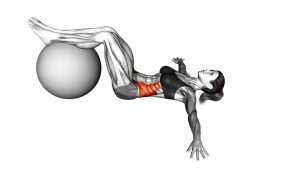
This exercise works best when the motion stays slow, smooth, and deliberate. The arms remain extended to the sides, the upper back stays grounded, and both knees move together as one unit. As a result, the core must control rotation instead of relying on momentum. You should feel the sides of the waist working, especially as the knees lower and return to the center.
Quick Overview
| Body Part | Core |
|---|---|
| Primary Muscle | Obliques |
| Secondary Muscle | Rectus abdominis, transverse abdominis, hip flexors, lower-back stabilizers |
| Equipment | No equipment required; optional exercise mat |
| Difficulty | Beginner to intermediate |
Sets & Reps (By Goal)
- Core activation: 2 sets × 6–8 reps per side with slow control
- Oblique strength: 3–4 sets × 8–12 reps per side with a steady tempo
- Beginner control: 2–3 sets × 5–8 reps per side using a smaller range of motion
- Endurance and stability: 3 sets × 12–16 total alternating reps without rushing
Progression rule: First, increase control and range of motion. Then, add more reps. Finally, progress to a slower tempo or a longer pause near the bottom position.
Setup / Starting Position
- Lie on your back: Start flat on the floor with your spine long and your head relaxed.
- Extend your arms: Place both arms out to the sides in a T-shape to create a stable base.
- Lift your legs: Bring both knees above your hips and bend them to about 90 degrees.
- Keep the knees together: Hold the thighs and lower legs close so they rotate as one unit.
- Brace lightly: Tighten your abs enough to control the pelvis without holding your breath.
Tip: If the movement feels too hard, keep the knees closer to the chest and reduce how far they travel to each side.
Execution (Step-by-Step)
- Start in the center: Keep both knees bent, feet lifted, and arms pressed gently into the floor.
- Rotate to one side: Slowly lower both knees together toward one side while your shoulders stay grounded.
- Control the bottom: Stop before your lower back arches or your opposite shoulder lifts off the floor.
- Return to center: Use your obliques to pull the knees back above the hips without swinging.
- Repeat to the other side: Move in the opposite direction with the same slow and controlled rhythm.
Pro Tips & Common Mistakes
- Move slowly: This exercise is more effective when you resist gravity instead of dropping the knees.
- Keep your shoulders down: If one shoulder lifts, reduce the range and focus on control.
- Avoid momentum: Do not swing the legs from side to side, because that reduces core engagement.
- Keep the knees bent: Straightening the legs makes the exercise harder and may increase lower-back stress.
- Breathe steadily: Exhale as the knees return to center, then inhale as they lower again.
- Control both directions: The lowering phase and return phase should feel equally deliberate.
- Do not force the floor touch: The goal is controlled rotation, not maximum range at any cost.
FAQ
What muscles do Half Wipers (Bent-Leg) work?
Half Wipers mainly work the obliques, which control rotation and side-to-side trunk movement. In addition, the rectus abdominis, transverse abdominis, hip flexors, and lower-back stabilizers help keep the pelvis controlled throughout the exercise.
Are bent-leg wipers easier than straight-leg wipers?
Yes. Bent-leg wipers are usually easier because the knees stay bent, which shortens the lever and reduces the demand on the lower back. Therefore, this version is a better starting point for beginners or anyone learning rotational core control.
Should my knees touch the floor?
Not necessarily. Your knees can approach the floor, but they do not need to touch it. Instead, stop where you can keep your shoulders grounded, your abs engaged, and your lower back controlled.
Why do I feel this in my lower back?
You may feel your lower back if the knees travel too far, the legs drop too quickly, or the core loses tension. To fix this, reduce the range, move slower, and keep the knees closer to your chest.
Can beginners do Half Wipers (Bent-Leg)?
Yes, beginners can use this exercise when the range is small and the tempo is slow. However, if you cannot keep the shoulders down or the lower back comfortable, start with basic bent-knee side drops before progressing.
Recommended Equipment (Optional)
- Thick Exercise Mat — adds comfort for your spine, hips, and shoulders during floor core work
- Non-Slip Yoga Mat — helps keep your upper body stable while the knees rotate side to side
- Mini Pilates Ball — can be placed between the knees to encourage controlled leg alignment
- Core Sliders — useful for progressing into other controlled core and oblique movements
- Resistance Bands Set — helpful for pairing this exercise with anti-rotation and hip stability drills
Tip: Equipment is optional for this exercise. However, a comfortable mat can improve focus because it reduces pressure on the back and shoulders.