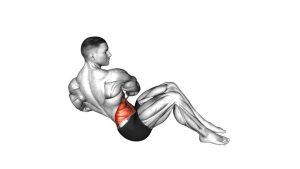
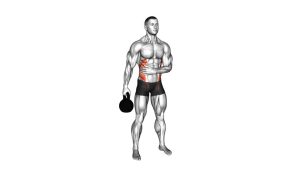
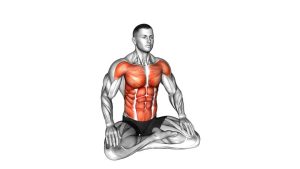
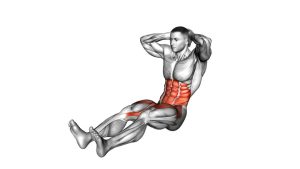
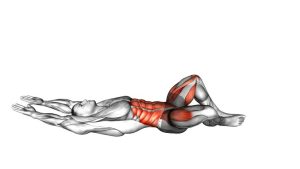
Standing Torso Twist: Core Rotation Form, Benefits, Sets & Tips
Learn the Standing Torso Twist to improve core rotation, oblique control, spinal mobility, and warm-up readiness with safe form tips.
Standing Torso Twist
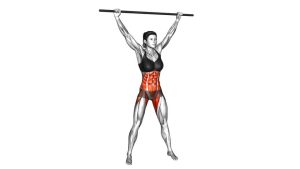
This exercise should feel light, rhythmic, and controlled. The torso rotates from the midsection while the hips and feet stay mostly steady. The arms may follow the rotation naturally, but they should not whip the body around. Keep the spine long, breathe normally, and use a comfortable range of motion.
Quick Overview
| Body Part | Core |
|---|---|
| Primary Muscle | Obliques |
| Secondary Muscle | Rectus abdominis, transverse abdominis, erector spinae, hip stabilizers |
| Equipment | None |
| Difficulty | Beginner |
Sets & Reps (By Goal)
- Warm-up: 2–3 sets × 20–30 total twists with a smooth, relaxed tempo
- Core activation: 2–4 sets × 12–20 reps per side with controlled rotation
- Mobility practice: 1–3 sets × 30–45 seconds using a comfortable range
- Beginner conditioning: 2–3 rounds × 30 seconds, resting 30–45 seconds between rounds
Progression rule: First improve control and rhythm. Then increase time, reps, or add a light resistance band only if your spine stays tall and your hips remain stable.
Setup / Starting Position
- Stand tall: Place your feet about shoulder-width apart with knees slightly soft.
- Set your posture: Keep your chest lifted, ribs controlled, and spine long.
- Position your arms: Bend your elbows and keep your hands in front of your torso or lightly across your chest.
- Brace lightly: Engage your core just enough to control the rotation without holding your breath.
- Keep the lower body steady: Feet stay planted and hips rotate only slightly.
Tip: Start with a small range of motion. A clean, controlled twist is better than a large, loose rotation.
Execution (Step-by-Step)
- Begin in neutral: Stand upright with your shoulders relaxed and your eyes forward.
- Rotate to one side: Turn your shoulders and torso smoothly to the right or left.
- Control the hips: Let the hips move only slightly while the torso does most of the rotation.
- Return through center: Bring your torso back to the starting position without snapping or bouncing.
- Rotate to the opposite side: Repeat the same controlled movement on the other side.
- Continue rhythmically: Move side to side with steady breathing and even control.
Pro Tips & Common Mistakes
- Keep the spine tall: Avoid rounding forward or leaning backward during the twist.
- Rotate from the torso: Do not turn only your arms while your trunk stays still.
- Control the end range: Avoid bouncing when you reach each side.
- Keep the knees soft: Locked knees can make the movement feel stiff and uncomfortable.
- Do not over-twist: Use a natural range that feels smooth through the mid-back and core.
- Breathe normally: Exhale gently as you rotate and avoid holding tension in your neck.
- Keep the hips quiet: A little hip movement is normal, but the main action should come from the torso.
FAQ
What muscles does the Standing Torso Twist work?
The Standing Torso Twist mainly works the obliques, which help rotate and stabilize the trunk. It also lightly involves the rectus abdominis, transverse abdominis, spinal stabilizers, and hip stabilizers.
Is the Standing Torso Twist good for beginners?
Yes. It is beginner-friendly because it uses bodyweight, requires no equipment, and can be done with a small, comfortable range of motion. Beginners should focus on smooth control rather than speed.
Should I feel this in my abs or lower back?
You should feel light activation around the sides of your core and waist. You should not feel sharp pain, pinching, or strain in the lower back. If that happens, reduce your range and slow down.
Can I use this exercise as a warm-up?
Yes. The Standing Torso Twist works well as part of a warm-up because it encourages gentle rotation, increases body awareness, and prepares the core for movement.
How can I make the Standing Torso Twist harder?
You can make it harder by slowing the tempo, adding a longer pause at each side, or using a light resistance band. Do not add resistance until your bodyweight form is smooth and controlled.
Recommended Equipment (Optional)
- Exercise Mat — useful for warm-ups, stretching, and floor-based core exercises
- Resistance Bands Set — helpful for progressing rotational core drills and anti-rotation exercises
- Medicine Ball — adds light resistance for advanced rotational core training
- Foam Roller — useful for thoracic mobility work before or after torso rotation drills
- Light Adjustable Dumbbells — optional tool for more advanced weighted standing core variations
Tip: Keep resistance light for rotational exercises. Control, posture, and smooth range of motion matter more than heavy loading.