Kneeling Elbow-to-Knee Side Plank Crunch: Form, Sets, Tips & FAQ
Learn the kneeling elbow-to-knee side plank crunch for oblique strength, core control, and side plank stability with form cues, sets, tips, FAQs, and gear.
Kneeling Elbow-to-Knee Side Plank Crunch
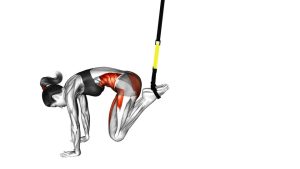
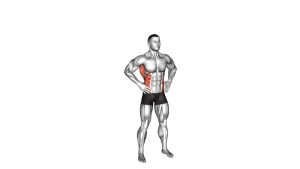
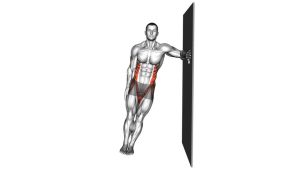
This exercise works best when the body stays lifted and controlled throughout each repetition. Instead of rushing the elbow and knee together, focus on a smooth side crunch while keeping the planted forearm and lower knee stable. As a result, the movement trains both dynamic oblique strength and the ability to hold a strong side plank position.
Quick Overview
| Body Part | Core |
|---|---|
| Primary Muscle | Obliques |
| Secondary Muscle | Rectus abdominis, transverse abdominis, glutes, shoulder stabilizers |
| Equipment | No equipment required; exercise mat optional |
| Difficulty | Beginner to Intermediate |
Sets & Reps (By Goal)
- Beginner core control: 2–3 sets × 6–8 reps per side with slow, clean movement.
- Oblique strength: 3–4 sets × 8–12 reps per side with a brief squeeze at the top.
- Core endurance: 2–3 sets × 12–15 reps per side while keeping the hips lifted.
- Warm-up activation: 1–2 sets × 6–10 reps per side before planks, ab circuits, or bodyweight training.
Progression rule: First improve control and range. Then add reps, slow the tempo, or hold the crunch position briefly before returning.
Setup / Starting Position
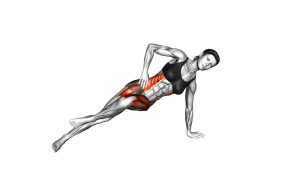
- Start on your side: Place your lower forearm on the floor with the elbow under the shoulder.
- Use the lower knee as support: Keep the lower knee bent and grounded so the body has a stable base.
- Lift the hips: Create a long diagonal line from your head through your torso toward the supporting knee.
- Position the top arm: Bend the top elbow and keep the hand near the side of the head.
- Set the top leg: Keep the top knee ready to move toward the top elbow during the crunch.
Before starting, make sure your shoulder is not shrugged and your hips are not sinking toward the floor.
Execution (Step-by-Step)
- Brace lightly: Tighten your core enough to keep your side plank stable.
- Crunch inward: Bring the top elbow and top knee toward each other in a controlled side crunch.
- Shorten the side body: Let the obliques drive the motion instead of pulling with the neck or swinging the leg.
- Pause briefly: At the closest point, hold for a moment while keeping the hips lifted.
- Return with control: Move the elbow and knee away from each other until you return to the kneeling side plank position.
- Repeat on one side: Complete all reps, then switch sides and match the same tempo.
Pro Tips & Common Mistakes
- Keep the elbow stacked: The planted elbow should stay close to directly under the shoulder for better support.
- Do not rush the crunch: A slower tempo keeps tension on the obliques and reduces momentum.
- Avoid hip collapse: Keep the hips lifted as the elbow and knee move together.
- Control the return: The lowering phase matters because it teaches the core to resist losing position.
- Keep the neck relaxed: The top hand can stay near the head, but it should not yank the neck forward.
- Move through the side body: Focus on bringing the ribs and hip closer together on the working side.
- Match both sides: Perform the same number of reps and use the same tempo on each side.
FAQ
What muscles does the kneeling elbow-to-knee side plank crunch work?
It mainly targets the obliques. Additionally, the rectus abdominis, deep core muscles, glutes, and shoulder stabilizers assist because the body must stay lifted in a side plank position.
Is this exercise good for beginners?
Yes. Since the lower knee stays on the floor, it is easier than a full side plank crunch. However, beginners should use a small range of motion and focus on hip position first.
Should my elbow and knee touch?
They can come close, but touching is not required. The main goal is a controlled side crunch without losing the plank position.
Why do my hips drop during the movement?
Hip dropping usually means the range is too large, the tempo is too fast, or the side plank base is not stable enough. Therefore, reduce the range and reset your elbow, shoulder, and knee alignment.
How can I make this exercise harder?
You can slow the tempo, pause at the top, add more reps, or progress toward a full side plank crunch when your control improves.
Recommended Equipment (Optional)
- Exercise Mat — adds comfort for the supporting knee, elbow, and forearm.
- Thick Yoga Mat — useful if your knees or elbows need extra cushioning during floor work.
- Exercise Knee Pad — provides targeted support under the lower knee during kneeling plank variations.
- Core Sliders — helpful for advanced core progressions after mastering bodyweight control.
- Mini Resistance Bands — useful for adding hip and glute activation to related side plank drills.
Tip: Equipment is optional. For this exercise, clean form and stable body position are more important than adding resistance.