Kneeling Dynamic Plank: Core Stability, Form, Sets, Tips & FAQ
Learn the Kneeling Dynamic Plank to build core control, shoulder stability, and beginner-friendly plank strength with safe form, sets, tips, and FAQs.
Kneeling Dynamic Plank
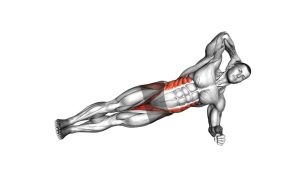
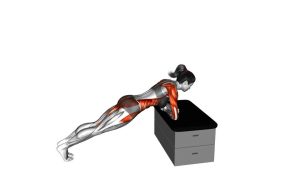
This exercise works best when the movement stays controlled and compact. Because the knees remain on the floor, the drill is easier to manage than a full plank; however, the core still has to resist unwanted hip dropping, twisting, and shoulder collapse. As a result, it is useful for beginners, warm-ups, home workouts, and anyone learning how to brace during dynamic plank patterns.
Quick Overview
| Body Part | Core |
|---|---|
| Primary Muscle | Rectus abdominis and deep core stabilizers |
| Secondary Muscle | Shoulders, triceps, serratus anterior, glutes, and lower-back stabilizers |
| Equipment | Bodyweight only; exercise mat recommended for knee comfort |
| Difficulty | Beginner |
Sets & Reps (By Goal)
- Core activation: 2–3 sets × 20–30 seconds, using a slow and steady rhythm.
- Beginner strength: 3 sets × 8–12 controlled dynamic shifts or reps.
- Shoulder stability: 3–4 sets × 10–15 slow reps, resting 45–75 seconds between sets.
- Warm-up or finisher: 1–2 sets × 20–40 seconds with clean form and relaxed breathing.
Progression rule: First increase control and time under tension. Then, progress by slowing the tempo, extending the hold, or moving toward a full plank variation only when your hips stay stable.
Setup / Starting Position
- Start on the floor: Place your knees on an exercise mat and position your hands under your shoulders.
- Set your plank line: Keep your shoulders, hips, and knees aligned so the body forms a strong diagonal line.
- Brace gently: Tighten your abs as if preparing for light contact, but avoid holding your breath.
- Relax the neck: Keep your head neutral and look slightly down toward the floor.
- Prepare the shoulders: Press the floor away lightly so the chest does not sink between the arms.
Tip: If your knees feel pressure, place a folded towel or thicker mat underneath them. This improves comfort without changing the exercise pattern.
Execution (Step-by-Step)
- Hold the kneeling plank: Begin with both hands planted, elbows extended, and core engaged.
- Shift with control: Move the upper body slightly through the dynamic plank action while keeping your knees grounded.
- Keep the hips quiet: Resist side-to-side rocking, hip sagging, or arching through the lower back.
- Maintain shoulder support: Keep the shoulders active and stable as the arms support your bodyweight.
- Return smoothly: Move back to the starting plank position without rushing or collapsing.
- Repeat with rhythm: Continue for the target reps or time while breathing steadily.
Pro Tips & Common Mistakes
- Keep your knees down: This version is designed as a kneeling plank, so avoid lifting the knees unless you are intentionally progressing.
- Control the torso first: The goal is not speed. Instead, focus on keeping the trunk stable while the upper body moves.
- Avoid hip sagging: If the hips drop, the lower back may take over. Therefore, shorten the set and reset your brace.
- Do not shrug: Keep the shoulders away from the ears and press the floor away with control.
- Protect the wrists: Spread your fingers, press through the full hand, and keep the wrists stacked under the shoulders.
- Breathe naturally: Exhale gently during effort instead of holding your breath.
- Use a mat: Knee comfort matters because discomfort can distract from proper core control.
FAQ
What muscles does the Kneeling Dynamic Plank work?
The Kneeling Dynamic Plank mainly works the core stabilizers, including the rectus abdominis and deeper abdominal muscles. In addition, the shoulders, triceps, serratus anterior, glutes, and lower-back stabilizers help support the body during the dynamic movement.
Is the Kneeling Dynamic Plank good for beginners?
Yes. Because the knees stay on the floor, this variation reduces the load compared with a full plank. Therefore, beginners can practice bracing, shoulder support, and body alignment with better control.
Should my hips move during this exercise?
Your hips should stay as steady as possible. Although small natural movement can happen, excessive rocking, sagging, or twisting usually means the core is losing control.
How long should I hold or perform the Kneeling Dynamic Plank?
Start with 20–30 seconds or 8–12 controlled reps. After that, increase time gradually only if your shoulders, hips, and spine remain stable.
Can I progress this exercise?
Yes. You can progress by slowing the tempo, increasing the duration, adding more controlled reps, or eventually moving to a full plank variation from the toes. However, only progress when your form stays clean.
Recommended Equipment (Optional)
- Thick Exercise Mat — adds cushioning for the knees during kneeling plank work
- Foam Knee Pad — useful if you want extra knee comfort without using a full mat
- Wrist Support Wraps — may help support wrists during plank-based exercises
- Non-Slip Training Mat — helps keep hands and knees stable during controlled movement
- Push-Up Handles — optional tool for reducing wrist extension during plank variations
Tip: Equipment is optional. However, a comfortable mat can make the exercise easier to perform with clean alignment, especially if knee pressure limits your focus.