Lever Alternate Leg Extension: Form, Sets, Tips & FAQ
Learn the lever alternate leg extension for stronger quads, better knee control, and balanced leg training. Includes form, sets, tips, FAQs, and equipment.
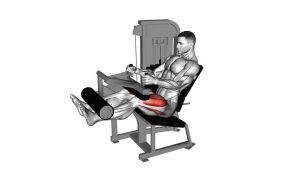
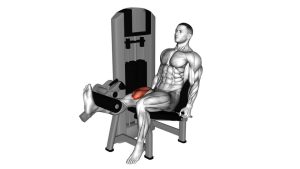
Lever Alternate Leg Extension (Plate-Loaded)
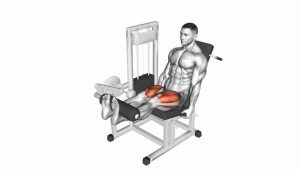
This exercise is useful for building stronger quads, improving unilateral leg control, and adding focused machine work to a lower-body session. Because each leg works separately, it can reveal strength differences between sides and help improve control through the full extension range. Keep the hips pinned to the seat, avoid swinging the torso, and let the knee joint perform the movement without bouncing or rushing.
Quick Overview
| Body Part | Quads |
|---|---|
| Primary Muscle | Quadriceps — rectus femoris, vastus lateralis, vastus medialis, and vastus intermedius |
| Secondary Muscle | Hip flexors and lower-leg stabilizers assist lightly; core supports seated posture |
| Equipment | Plate-loaded lever leg extension machine |
| Difficulty | Beginner to intermediate, depending on load and knee control |
Sets & Reps (By Goal)
- Muscle growth: 3–4 sets × 10–15 reps per leg with a controlled 1–2 second squeeze at the top.
- Strength focus: 3–5 sets × 6–10 reps per leg using a challenging load without losing control.
- Knee control / balance: 2–4 sets × 12–20 reps per leg with slower tempo and lighter resistance.
- Warm-up activation: 1–3 sets × 12–15 reps per leg before squats, lunges, or leg press work.
- Finisher: 2–3 sets × 15–25 reps per leg using moderate weight and constant tension.
Progression rule: Add reps first, then increase load gradually. The movement should stay smooth, controlled, and symmetrical on both legs.
Setup / Starting Position
- Adjust the seat: Sit with your back supported and your knees aligned as closely as possible with the machine’s pivot point.
- Set the shin pad: Position the roller pad just above the ankles, not high on the shins.
- Load the machine: Add plates conservatively, especially when learning the alternating pattern.
- Grip the handles: Hold the side handles to keep your hips and torso stable.
- Start with both knees bent: Keep both legs under control before extending one leg at a time.
- Brace lightly: Keep your ribs down, back against the pad, and shoulders relaxed.
Tip: If the machine allows independent lever movement, make sure each side starts from the same position before beginning the set.
Execution (Step-by-Step)
- Begin seated and stable: Keep your back against the pad, hips down, and both knees bent.
- Extend one leg: Drive one shin upward by straightening the knee until the working leg reaches near full extension.
- Squeeze the quad: Pause briefly at the top and contract the front thigh without snapping or hyperextending the knee.
- Lower slowly: Return the working leg to the starting position with control.
- Reset briefly: Let both legs return to the bottom position before switching sides.
- Extend the opposite leg: Repeat the same smooth motion with the other leg.
- Continue alternating: Perform all reps evenly, matching range, tempo, and control on both sides.
Pro Tips & Common Mistakes
Pro Tips
- Control the eccentric: Lower the weight slowly to keep tension on the quadriceps.
- Pause at the top: A short squeeze improves quad engagement and reduces momentum.
- Match both sides: Use the same range of motion and tempo on each leg.
- Keep hips down: Press your hips into the seat instead of lifting them during hard reps.
- Use a moderate load: This exercise works best when the quad controls the lever, not when the body swings the weight.
Common Mistakes
- Using too much weight: Heavy loading can cause bouncing, partial reps, and knee discomfort.
- Snapping the knee at the top: Finish strong, but do not slam into lockout.
- Rushing the alternation: Each leg should complete its own rep before switching.
- Lifting the hips: If your hips rise off the seat, reduce the load.
- Letting the pad drop: Control the return instead of letting the weight stack or lever fall.
FAQ
What muscles does the lever alternate leg extension work?
The main target is the quadriceps, especially the muscles on the front of the thighs. Because the movement is performed one leg at a time, it also helps improve unilateral control and side-to-side balance.
Is the alternate leg extension better than the regular leg extension?
It is not automatically better, but it offers a different benefit. Regular leg extensions allow both legs to work together, while the alternate version helps each leg work independently and can reduce compensation from the stronger side.
Should I lock my knees at the top?
You can reach near full extension, but avoid snapping or aggressively locking the knee. The best top position is controlled, strong, and pain-free with a clear quad squeeze.
How heavy should I go on this exercise?
Choose a weight that lets you complete every rep with smooth control. If your hips lift, your body swings, or the lever drops quickly, the load is too heavy.
Can beginners do the lever alternate leg extension?
Yes. Beginners can use it if the machine is adjusted correctly and the load is light. Start with slow reps, controlled range, and equal work on both legs.
Is this exercise good for knee strengthening?
It can help strengthen the quadriceps, which support knee function. However, people with current knee pain or injury should use a comfortable range and follow professional guidance when needed.
Recommended Equipment
- Plate-Loaded Leg Extension Machine — the main machine option for performing this exercise at home or in a strength setup.
- Olympic Weight Plates — useful for loading plate-loaded lever machines progressively.
- Adjustable Ankle Support Brace — optional support for users who want added ankle comfort during lower-body training.
- Knee Sleeves for Weightlifting — provides warmth and light compression during leg training.
- Gym Training Logbook — helps track sets, reps, load, and left-right strength progress.
Tip: Equipment should support better control, not replace proper form. Use a load that allows smooth alternating reps and pain-free knee extension.