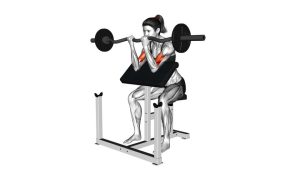
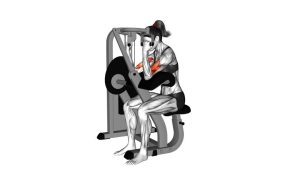
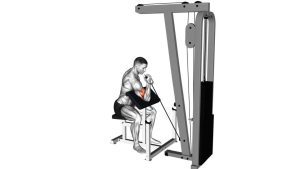
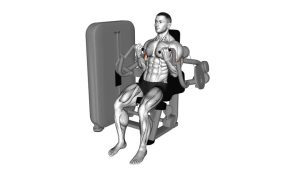
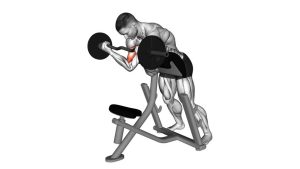
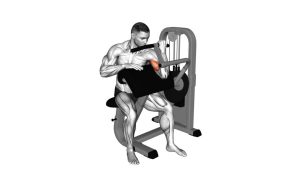
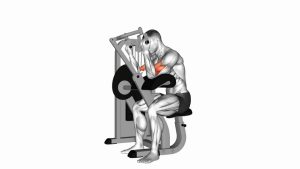
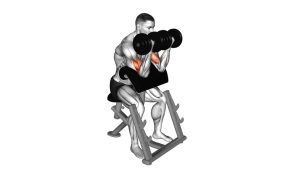
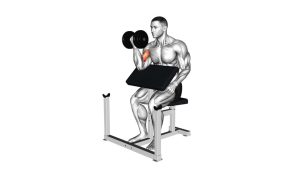
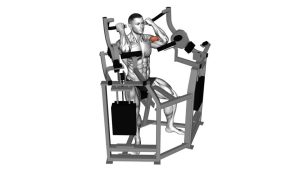
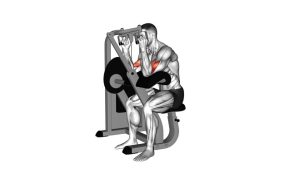
Lever Preacher Curl (Plate-Loaded): Proper Form, Sets, Tips & FAQ
Learn how to perform the Lever Preacher Curl (Plate-Loaded) with proper form to isolate the biceps, improve arm strength, and build size. Includes setup, step-by-step execution, sets by goal, mistakes to avoid, FAQ, and recommended equipment.
Lever Preacher Curl (Plate-Loaded)
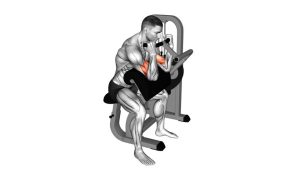
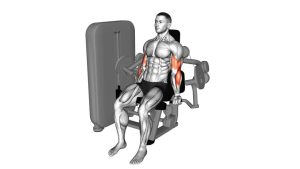
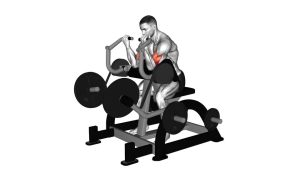
This exercise works best when you keep your chest supported, elbows planted, and wrists neutral while curling the handles smoothly upward and lowering them under control. The goal is not to throw the load with the shoulders, but to let the biceps do the work from the bottom stretch into a hard squeeze at the top.
Quick Overview
| Body Part | Biceps |
|---|---|
| Primary Muscle | Biceps brachii |
| Secondary Muscle | Brachialis and forearm flexors |
| Equipment | Plate-loaded preacher curl machine |
| Difficulty | Beginner to Intermediate |
Sets & Reps (By Goal)
- Muscle growth: 3–4 sets × 8–12 reps with controlled tempo and a strong squeeze at the top
- Strength-focused arm work: 3–5 sets × 6–8 reps with strict form and full control
- Technique practice / mind-muscle connection: 2–3 sets × 10–15 reps using a lighter load
- Finisher on arm day: 2–3 sets × 12–15 reps with short rest and smooth eccentric control
Progression rule: Add reps first, then load. Keep the upper arms pinned to the pad and only increase weight when you can control both the top squeeze and the lowering phase without shoulder compensation.
Setup / Starting Position
- Adjust the seat: Set the height so your upper arms rest comfortably on the preacher pad and your elbows line up naturally with the machine’s pivot.
- Plant your chest and arms: Sit tall with your chest supported and both upper arms fully anchored on the pad.
- Grip the handles firmly: Use a secure grip without over-bending the wrists. Keep the wrists neutral and stacked.
- Start near full extension: Lower the handles until your elbows are almost straight, but do not force a harsh lockout.
- Brace lightly: Keep your torso quiet, shoulders down, and head neutral before starting the curl.
Tip: Proper seat height is critical. If you sit too low or too high, the curl can feel awkward at the elbows and shift tension away from the biceps.
Execution (Step-by-Step)
- Begin from the bottom: Start with the arms nearly extended and the biceps under stretch while keeping tension on the handles.
- Curl upward smoothly: Flex at the elbows and bring the handles up in a controlled arc without lifting the upper arms off the pad.
- Keep the shoulders out: Avoid rolling the shoulders forward or leaning back to help the rep.
- Squeeze at the top: Once you reach peak contraction, pause briefly and consciously tighten the biceps.
- Lower under control: Reverse the motion slowly until you return to the stretched starting position without dropping the lever.
- Repeat evenly: Keep every rep smooth, strict, and matched in tempo.
Pro Tips & Common Mistakes
- Keep the upper arms glued to the pad: Lifting the elbows reduces isolation and turns the rep into a cheat curl.
- Don’t rush the eccentric: The lowering phase is one of the best parts of the exercise for building arm size.
- Use a full, pain-free range: Work through as much motion as you can control without elbow discomfort.
- Stay neutral at the wrists: Excessive wrist flexion shifts tension and can irritate the forearms.
- Avoid bouncing off the bottom: That usually stresses the elbows and weakens the quality of the rep.
- Think “curl and squeeze”: Don’t just move the handles—actively contract the biceps on every rep.
- Don’t overload too early: This machine is most effective when performed strictly, not when turned into a momentum exercise.
FAQ
What muscles does the Lever Preacher Curl mainly target?
The main target is the biceps brachii. The brachialis and forearm flexors also assist, but the preacher setup is designed to keep the focus strongly on elbow flexion and biceps isolation.
Is the plate-loaded preacher curl better than free-weight preacher curls?
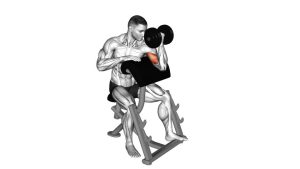
Neither is universally better—it depends on your goal. The plate-loaded version offers more stability and often makes it easier to keep tension on the biceps with strict form, while free weights may challenge control differently across the range of motion.
How heavy should I go on this exercise?
Choose a load that lets you keep the arms planted, the wrists neutral, and the lowering phase controlled. If you need to jerk the first rep or lift your elbows off the pad, the weight is too heavy.
Should I fully lock out at the bottom?
You can reach near full elbow extension, but avoid forcing a hard lockout if it feels uncomfortable. Stay in a smooth, controlled range that keeps tension on the biceps and feels good at the elbow joint.
Where should I place this in my workout?
It works well after heavier compound pulling or after a basic standing curl variation. It’s also excellent as a mid-workout biceps builder or an arm-day finisher when you want strict, repeatable reps.
Recommended Equipment
- Preacher Curl Bench — useful if you want to mimic preacher-style arm support at home with dumbbells or an EZ bar
- Preacher Curl Attachment — helpful for building a home setup that supports strict preacher curl mechanics
- Arm Blaster — keeps the arms fixed and helps reinforce stricter curl form during standing variations
- EZ Curl Bar — a classic choice for preacher curl variations when you want a more joint-friendly grip angle
- Wrist Wraps — useful if your wrists fatigue during heavy curl work or higher-volume arm sessions
Tip: Accessories should support better mechanics, not replace them. Choose tools that help you stay strict, comfortable, and consistent across your curls. The equipment ideas above are based on currently available Amazon category and product-search results related to preacher curl training.