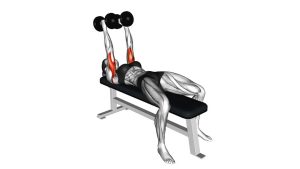
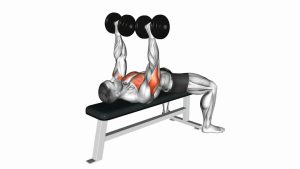
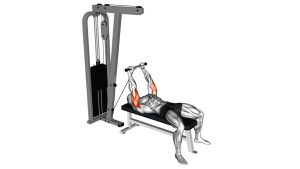
Lever Triceps Extension: Proper Form, Sets, Tips & FAQ
Learn the Lever Triceps Extension for bigger, stronger triceps with strict machine-based elbow extension. Includes setup, execution, sets by goal, common mistakes, FAQs, and recommended equipment.
Lever Triceps Extension
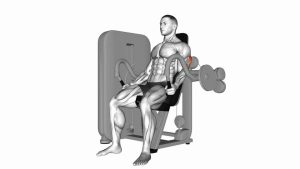
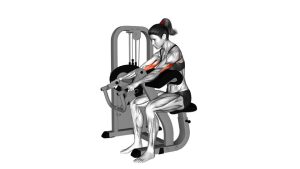
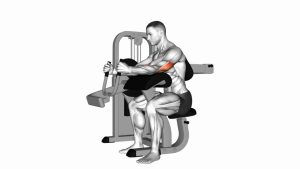
This exercise works best when you treat it like a true isolation movement. Your goal is to move the load by straightening the elbows, not by rocking the torso, shrugging the shoulders, or turning it into a pressing motion. The best reps feel controlled in the stretch, strong through the middle, and tight at the finish with the triceps doing nearly all the work.
Quick Overview
| Body Part | Triceps |
|---|---|
| Primary Muscle | Triceps brachii |
| Secondary Muscle | Anconeus, forearm stabilizers, shoulder stabilizers (lightly) |
| Equipment | Lever triceps extension machine |
| Difficulty | Beginner to Intermediate |
Sets & Reps (By Goal)
- Muscle growth: 3–4 sets × 8–15 reps, 60–90 sec rest
- Strength-focused machine work: 3–5 sets × 6–10 reps, 90–120 sec rest
- Technique and control: 2–3 sets × 10–15 reps, light-to-moderate load, 45–75 sec rest
- Finisher / pump work: 2–3 sets × 12–20 reps, shorter rest, smooth tempo
Progression rule: First earn more reps with clean form, then increase the weight slightly. Keep the eccentric controlled and avoid sacrificing elbow tracking just to move a heavier load.
Setup / Starting Position
- Adjust the machine: Set the seat so the handles and elbow axis line up naturally with your arm path.
- Sit tall: Keep your chest up, back supported if the machine has a pad, and feet planted firmly on the floor.
- Grip the handles: Hold the handles securely with neutral wrists—don’t let them bend backward.
- Set your upper arms: Position your elbows so the movement comes mainly from elbow extension, not shoulder swing.
- Start in the loaded stretch: Begin with elbows bent and the weight under control before starting the first rep.
Tip: If you feel more shoulder strain than triceps tension, re-check seat height and elbow alignment before adding more load.
Execution (Step-by-Step)
- Brace and lock in: Keep your torso steady and shoulders down while maintaining a firm grip on the handles.
- Extend the elbows: Push the handles through the machine’s path by straightening your arms under control.
- Keep upper arms quiet: Avoid letting the elbows drift excessively or turning the rep into a chest or shoulder press.
- Squeeze at the finish: Reach near full extension and contract the triceps hard without violently snapping into lockout.
- Lower slowly: Return to the starting position under control, allowing the elbows to bend while keeping tension on the triceps.
- Repeat smoothly: Start the next rep without bouncing out of the bottom or letting the stack or lever crash back.
Pro Tips & Common Mistakes
- Use a full but pain-free range: Get a good stretch at the bottom, then extend hard without slamming the joints.
- Control the eccentric: The lowering phase should be deliberate, not a free fall.
- Don’t turn it into a press: Too much shoulder movement reduces triceps isolation.
- Keep wrists neutral: Bent wrists can shift stress away from the triceps and irritate the joints.
- Match load to machine path: Some lever machines feel heavier near lockout, so don’t chase numbers at the cost of form.
- Pause briefly at contraction: A small squeeze at the top helps reinforce clean triceps engagement.
- Avoid ego reps: If the final reps become body-English reps, stop the set earlier next time.
FAQ
What muscles does the Lever Triceps Extension work?
It mainly targets the triceps brachii, with minor support from smaller stabilizers around the elbow, wrist, and shoulder. Its main purpose is elbow extension and focused triceps isolation.
Is this better than cable triceps extensions?
Not necessarily better—just different. Lever machines provide a fixed path and often feel more stable, while cables can offer more freedom of movement. Both can be excellent for triceps growth.
Should I lock out fully on each rep?
You can reach near full extension, but avoid aggressively snapping the elbows straight. Think strong contraction with control, not joint impact.
How heavy should I go?
Use a load that lets you keep your torso stable, wrists neutral, and upper arms controlled for the entire set. If you have to rock or heave the handles, the weight is too heavy.
Is the Lever Triceps Extension good for beginners?
Yes. Because the machine guides the path, it’s usually beginner-friendly and makes it easier to learn strict elbow extension mechanics before moving into more demanding free-weight variations.
Recommended Equipment
- Elbow Sleeves for Weightlifting — useful for warmth, compression, and extra confidence during hard triceps sessions
- FITGRIFF Wrist Wraps for Weightlifting — helps support wrist position when pressing or extending against heavy resistance
- Resistance Band Set — great for warming up the elbows, shoulders, and triceps before machine work
- Bear Grips Weight Lifting Gloves — adds grip comfort and palm protection for longer upper-body sessions
- XN8 Arm Curl Blaster — not required for this machine exercise, but useful for stricter arm-isolation accessory work
Tip: Accessories should improve comfort and setup quality—not replace proper machine adjustment, strict form, and sensible loading.