Lying Flat Hip Raise: Lower Abs Form, Sets, Tips & FAQ
Learn the Lying Flat Hip Raise to strengthen lower abs, improve pelvic control, and build core stability with proper form, sets, tips, FAQs, and gear.
Lying Flat Hip Raise
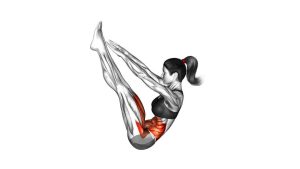
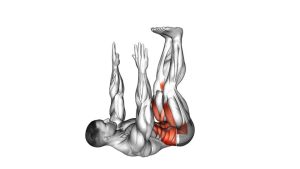
This movement works best when the legs stay steady and the hips lift from abdominal control. It is commonly confused with a lying leg raise, but the key difference is the pelvic curl. When performed correctly, the lower abs initiate the motion while the hip flexors stay controlled.
Quick Overview
| Body Part | Core |
|---|---|
| Primary Muscle | Lower rectus abdominis |
| Secondary Muscle | Hip flexors, transverse abdominis, obliques, deep core stabilizers |
| Equipment | Flat bench or exercise mat |
| Difficulty | Beginner to Intermediate |
Sets & Reps (By Goal)
- Core activation: 2–3 sets × 8–12 reps with slow control
- Lower-ab strength: 3–4 sets × 10–15 reps with a brief top squeeze
- Muscle endurance: 2–4 sets × 15–20 reps using a smooth tempo
- Beginner practice: 2 sets × 6–10 reps with knees slightly bent
Progression rule: Add reps first, then increase control time at the top. Do not progress by swinging the legs or lifting the hips higher with momentum.
Setup / Starting Position
- Lie flat: Position yourself on a flat bench or mat with your back supported.
- Hold for stability: Grip the sides of the bench or place your hands beside your hips.
- Raise your legs: Bring your legs upward so they are close to vertical.
- Brace your core: Pull the ribs down slightly and keep the lower back controlled.
- Set the pelvis: Prepare to lift the hips by curling the tailbone upward, not by swinging the legs.
Execution (Step-by-Step)
- Start with control: Keep your legs steady and your core tight.
- Curl the pelvis: Use your lower abs to lift your hips slightly off the bench or floor.
- Keep the motion small: Avoid throwing the legs backward or using momentum.
- Squeeze at the top: Pause briefly when the tailbone lifts and the lower abs contract.
- Lower slowly: Return your hips to the bench with control while keeping the legs elevated.
- Repeat cleanly: Begin the next rep only after your pelvis is stable again.
Pro Tips & Common Mistakes
- Lift the hips, not the legs: The main action is a pelvic curl.
- Use a small range: A short, clean hip lift is better than a large sloppy swing.
- Keep your legs quiet: The legs should stay mostly vertical and controlled.
- Do not arch at the bottom: Keep your lower back from aggressively lifting off the surface.
- Control the descent: Lowering slowly builds more core strength than dropping quickly.
- Avoid neck tension: Keep your head relaxed and shoulders down.
- Bend the knees if needed: A slight knee bend makes the exercise easier and safer for beginners.
FAQ
Is the lying flat hip raise the same as a reverse crunch?
It is very similar to a reverse crunch, but this version often keeps the legs more vertical and focuses strongly on a small hip lift. The main goal is pelvic curl and lower-ab control.
Where should I feel this exercise?
You should feel it mostly in the lower abdominal area. You may also feel light hip-flexor involvement, but the movement should not feel like a leg swing.
Why does my lower back hurt during hip raises?
Lower-back discomfort usually happens when the legs swing, the core relaxes, or the lower back arches at the bottom. Reduce the range, bend the knees slightly, and focus on slow pelvic control.
Can beginners do the lying flat hip raise?
Yes. Beginners can perform it with bent knees, fewer reps, and a smaller hip lift. Quality is more important than height or speed.
Should I do this on a bench or on the floor?
Both options work. A bench gives your hands something to grip, which can improve stability. A mat is more accessible and may feel more comfortable for home workouts.
Recommended Equipment
- Exercise Mat — adds comfort and support for floor-based hip raises
- Flat Weight Bench — provides a stable surface and hand grip for better control
- Adjustable Ankle Weights — optional progression once bodyweight reps are clean and controlled
- Resistance Bands Set — useful for pairing with anti-extension and core stability drills
- Yoga Block — can be used between the knees to improve control and reduce leg swinging
Tip: Start with bodyweight first. Add equipment only when you can lift and lower the hips without swinging.