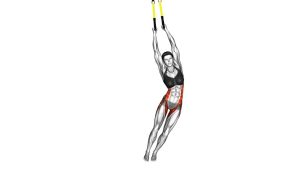
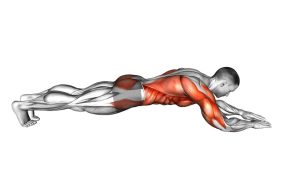
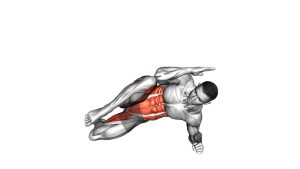
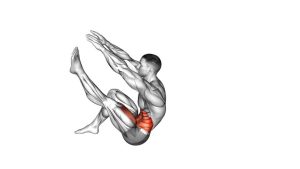
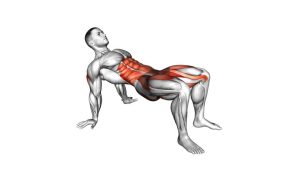
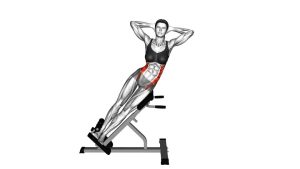
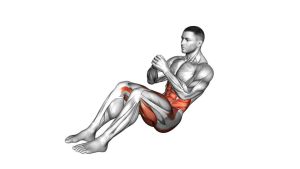
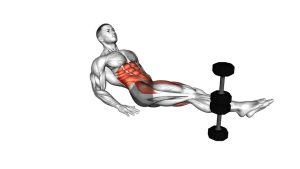
Lying Side Reverse Crunch: Form, Sets, Tips & FAQ
Learn the Lying Side Reverse Crunch to target obliques and lower abs with controlled knee tucks, hip lift, proper form, sets, tips, and equipment.
Lying Side Reverse Crunch
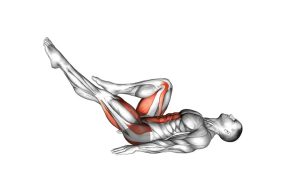
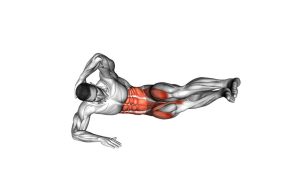
This exercise is useful for building side-core strength, improving abdominal control, and training the lower abs to assist with pelvic curling. Because the body is angled on the side, the obliques work harder to stabilize and compress the torso. The best reps feel controlled through the entire range, especially when the knees tuck in and the hips lift slightly from the floor.
Quick Overview
| Body Part | Core |
|---|---|
| Primary Muscle | Obliques |
| Secondary Muscle | Lower rectus abdominis, hip flexors, deep core stabilizers |
| Equipment | No equipment required; optional exercise mat for comfort |
| Difficulty | Beginner to Intermediate |
Sets & Reps (By Goal)
- Core activation: 2 sets × 8–10 reps per side with slow, clean control.
- Oblique strength: 3–4 sets × 10–15 reps per side with a strong squeeze at the top.
- Lower-ab control: 3 sets × 8–12 reps using a 2-second tuck and 3-second lowering phase.
- Bodyweight conditioning: 3 rounds × 30–40 seconds per side with steady breathing.
Progression rule: Add reps first, then slow the lowering phase, then increase the top hold. Do not progress by swinging faster or using momentum.
Setup / Starting Position
- Lie on one side: Position your body slightly angled so your torso is not completely flat on your back.
- Set your arms: Place the bottom arm or both arms on the floor for balance and stability.
- Extend your legs: Keep both legs together and slightly forward from the torso.
- Brace gently: Tighten your abs as if preparing for a small crunch.
- Keep the neck neutral: Avoid pulling the head forward or tensing the shoulders.
Start with a small range of motion. The exercise should feel controlled in the side abs, not strained in the lower back.
Execution (Step-by-Step)
- Begin from the side-lying position: Keep your legs together and your core lightly braced.
- Drive the knees inward: Bend your knees and bring them toward your chest in a smooth tuck.
- Curl the pelvis: As the knees come in, slightly lift the hips to create a reverse crunch effect.
- Squeeze the obliques: Pause briefly at the top and feel the side of your waist contract.
- Lower with control: Extend the legs back out slowly without dropping them or losing tension.
- Repeat evenly: Complete all reps on one side, then switch sides and match the same control.
Pro Tips & Common Mistakes
- Use the obliques, not momentum: Keep each tuck controlled instead of kicking the legs inward.
- Lift the hips slightly: A small pelvic curl makes this a true reverse crunch variation.
- Keep the reps compact: Large, sloppy reps reduce core tension and increase lower-back stress.
- Control the lowering phase: Do not let the legs drop quickly after the tuck.
- Keep the shoulders relaxed: Avoid pressing the arms too hard into the floor to fake the movement.
- Breathe naturally: Exhale as the knees tuck in, then inhale as the legs extend back out.
- Match both sides: Perform the same number of reps and the same tempo on each side.
FAQ
What muscles does the Lying Side Reverse Crunch work?
The main target is the obliques. The lower abs, hip flexors, and deep core muscles also assist as you tuck the knees and curl the pelvis upward.
Is the Lying Side Reverse Crunch good for lower abs?
Yes. The reverse crunch portion helps train lower-ab control, especially when you lift the hips slightly instead of only bending the knees.
Should my hips lift during this exercise?
Yes, but only slightly. A small hip lift helps create the reverse crunch action. Avoid throwing the hips upward or using momentum to complete the rep.
Why do I feel this in my hip flexors?
Some hip flexor involvement is normal because the knees are moving toward the torso. If the hip flexors dominate, reduce the range, slow the tempo, and focus on curling the pelvis with the abs.
Is this exercise beginner-friendly?
It can be beginner-friendly when performed with a small range of motion and slow control. Beginners should start with fewer reps and avoid rushing the lowering phase.
Recommended Equipment (Optional)
- Exercise Mat — adds comfort for side-lying core exercises and protects the hips from hard floors.
- Thick Yoga Mat — useful if you need extra cushioning for the lower back, hips, and elbows.
- Adjustable Ankle Weights — optional progression for advanced users who can already control bodyweight reps.
- Mini Resistance Bands — helpful for pairing with hip and core activation drills during warm-ups.
- Ab Workout Mat — supports floor-based abdominal training and improves comfort during repeated sets.
Equipment is optional. Master the bodyweight version first, then add resistance only when your reps stay smooth, controlled, and pain-free.