Suspender Twist-Up: Form Guide, Benefits, Sets, Tips & FAQ
Learn the Suspender Twist-Up for core control, oblique rotation, and suspension strength with setup, steps, tips, FAQs, and equipment.
Suspender Twist-Up
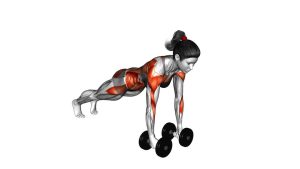
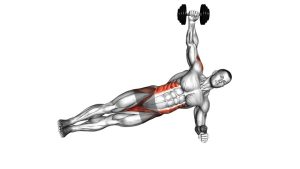
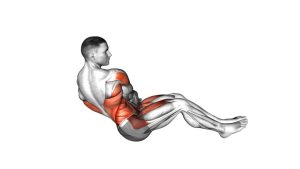
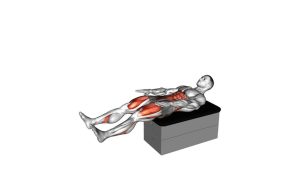
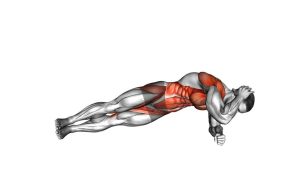
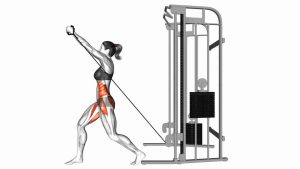
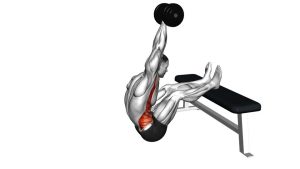
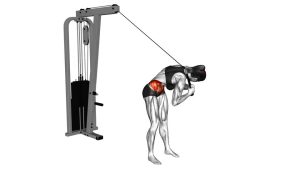
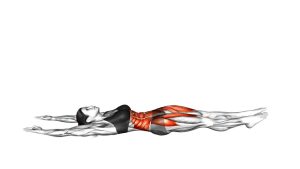
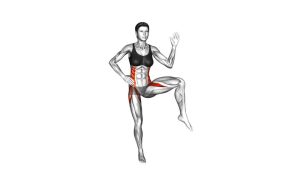
This movement is best performed with control instead of speed. The body begins angled backward while the hands hold the suspension handles in front of the torso. Then, the arms travel upward as the torso turns and rises. As a result, the exercise creates a strong rotational demand through the midsection.
Although the Suspender Twist-Up looks simple, it requires steady footing, a firm grip, and smooth strap control. Therefore, each repetition should move through a clean start, a coordinated twist, and a stable overhead finish. If the straps swing or the body pulls unevenly, reduce the lean angle and slow the movement down.
Quick Overview
| Body Part | Core |
|---|---|
| Primary Muscle | Obliques and abdominal muscles |
| Secondary Muscle | Shoulders, upper back, arms, legs, and trunk stabilizers |
| Equipment | Suspension trainer with handles and a secure anchor point |
| Difficulty | Intermediate to advanced |
Sets & Reps (By Goal)
- Technique practice: 2–3 sets × 5–8 reps per side using a slow tempo.
- Core control: 3 sets × 8–10 reps per side with a controlled return.
- Oblique endurance: 3–4 sets × 10–12 reps per side with moderate rest.
- Full-body suspension conditioning: 2–4 sets × 30–45 seconds of alternating controlled reps.
Progression rule: Start with a smaller lean angle. Then, increase the range only when your straps stay steady, your feet remain secure, and your torso rotates without rushing.
Setup / Starting Position
- Secure the suspension trainer: Attach the straps to a stable overhead anchor point.
- Face the anchor: Stand in front of the straps and hold one handle in each hand.
- Set your stance: Keep both feet grounded and position them where you can lean back safely.
- Create the lean: Walk the feet forward slightly and let the body angle backward under control.
- Extend the arms forward: Keep the handles in front of the body before beginning the twist-up.
- Brace the midsection: Tighten your core lightly so the torso moves as one controlled unit.
Setup tip: A smaller lean makes the movement easier. A deeper lean increases the challenge because the body must control more resistance through the straps.
Execution (Step-by-Step)
- Start from the lean: Hold the suspension handles while your body angles backward and your feet stay planted.
- Begin lifting the handles: Move the hands upward from the front of the torso.
- Rotate as you rise: Turn the torso smoothly while the arms continue traveling upward.
- Keep the straps steady: Avoid bouncing, swinging, or pulling unevenly through one handle.
- Reach the overhead finish: End the upward phase with the arms overhead and the body taller.
- Pause briefly: Hold the top position just long enough to show control.
- Return to the start: Lower the arms and rotate back into the angled starting position with control.
Pro Tips & Common Mistakes
Pro Tips
- Use a controlled tempo: Move slowly enough to feel the rotation without losing balance.
- Brace before twisting: A light core brace helps the torso rotate smoothly.
- Keep both handles even: Pulling unevenly can make the straps swing and reduce control.
- Finish tall: Reach the overhead position with balance instead of rushing through it.
- Control the return: The lowering phase matters because it trains stability and prevents strap swing.
Common Mistakes
- Using momentum: Swinging through the movement reduces core control.
- Leaning too far back too soon: Excessive lean can make the movement unstable.
- Losing foot pressure: The feet should stay grounded and secure throughout the repetition.
- Rushing the twist: Fast rotation can make the shoulders and straps take over.
- Stopping short: The exercise should finish with a clear overhead arm position.
- Letting the shoulders collapse: Keep the upper body active so the handles remain controlled.
FAQ
What is the Suspender Twist-Up?
The Suspender Twist-Up is a standing suspension-trainer exercise where you hold the handles, lean backward, rotate the torso, and rise into an overhead finish. It trains controlled rotation and suspension stability.
What muscles does the Suspender Twist-Up work?
It mainly targets the core, especially the obliques and abdominal muscles. In addition, the shoulders, upper back, arms, legs, and trunk stabilizers help control the straps and body angle.
Is the Suspender Twist-Up good for obliques?
Yes. Because the torso rotates while the body rises, the obliques help control the twist. However, the movement should stay smooth so the core does the work instead of momentum.
Is this exercise beginner-friendly?
It is better for intermediate trainees because it requires balance, grip control, body tension, and a secure lean. Beginners can reduce the lean angle and practice simple suspension rows or standing strap rotations first.
Why do the straps swing during this exercise?
Strap swing usually happens when the movement is rushed or the handles are pulled unevenly. To fix it, slow the tempo, reduce the lean, and return to the start position with more control.
Should I twist fast or slow?
Use a controlled pace. A slower twist helps you maintain balance, keep the straps steady, and finish the repetition with better body control.
Recommended Equipment
- Suspension Trainer Straps with Handles — the main equipment needed for the Suspender Twist-Up and similar standing suspension movements.
- TRX-Style Suspension Trainer — a strong option for controlled suspension training, bodyweight rows, and rotational core drills.
- Suspension Trainer Door Anchor — useful for creating a secure home setup when a fixed anchor point is not available.
- Non-Slip Training Shoes — helps maintain stable foot contact during standing suspension exercises.
- Workout Gloves for Grip — may improve handle control and grip comfort during longer suspension-training sessions.
Equipment tip: Before each set, inspect the anchor, straps, handles, and floor surface. Stable equipment makes the twist-up smoother and safer.