Plank Alternate Knee Tuck: Core Form, Benefits, Sets & Tips
Learn the Plank Alternate Knee Tuck to build stronger abs, hip flexors, and plank stability with step-by-step form, tips, mistakes, and sets.
Plank Alternate Knee Tuck
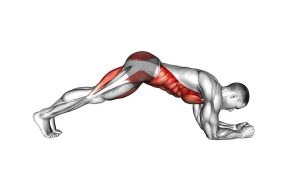
This exercise is useful for building core strength, improving plank stability, and developing better control during dynamic bodyweight movements. Compared with fast mountain climbers, the Plank Alternate Knee Tuck is usually performed with a slower, cleaner tempo so the abs stay active through each knee drive and return.
Quick Overview
| Body Part | Core |
|---|---|
| Primary Muscle | Rectus abdominis and transverse abdominis |
| Secondary Muscle | Hip flexors, obliques, shoulders, serratus anterior, quads, glutes |
| Equipment | No equipment required; optional exercise mat or sliders |
| Difficulty | Beginner to Intermediate |
Sets & Reps (By Goal)
- Core control: 2–3 sets × 8–12 reps per side with a slow tempo.
- Ab endurance: 3–4 sets × 12–20 total alternating reps.
- Conditioning: 3–5 rounds × 20–40 seconds, resting 30–60 seconds between rounds.
- Beginner practice: 2 sets × 6–8 reps per side, focusing on hip stability.
- Warm-up activation: 1–2 sets × 10–16 total reps before planks, push-ups, or full-body training.
Progression rule: Increase control first, then reps, then duration. Do not progress to faster reps until your hips stay steady and your lower back stays neutral.
Setup / Starting Position
- Start in a high plank: Place your hands on the floor under your shoulders with arms straight but not locked aggressively.
- Set your feet: Keep feet hip-width apart or slightly wider if you need more balance.
- Stack the body: Create a straight line from head to heels. Avoid lifting the hips too high or letting them drop.
- Brace the core: Tighten your abs as if preparing for a light punch to the stomach.
- Press the floor away: Keep the upper back active by pushing through the hands and spreading the shoulder blades slightly.
- Look down: Keep your neck neutral with your eyes on the floor, not forward.
Your starting plank should feel stable before you begin moving the knees. If you cannot hold the plank position cleanly, practice the static version first.
Execution (Step-by-Step)
- Hold a strong plank: Keep hands under shoulders, ribs pulled down, and abs engaged.
- Lift one foot: Slowly bring one knee forward underneath your torso.
- Drive the knee toward the chest: Move with control while keeping the shoulders steady over the wrists.
- Pause briefly: At the top, squeeze the abs without rounding the lower back excessively.
- Return the leg: Extend the working leg back to the starting plank position.
- Switch sides: Repeat the same movement with the opposite knee.
- Continue alternating: Maintain a steady rhythm while keeping the torso quiet and controlled.
Pro Tips & Common Mistakes
Pro Tips
- Move slower than a mountain climber: A slower tempo helps you feel the abs working instead of just using momentum.
- Push through the floor: Active shoulders make the plank more stable and reduce wrist collapse.
- Keep the ribs down: This prevents the lower back from arching as the knee drives forward.
- Use controlled breathing: Exhale as the knee moves forward and inhale as the leg returns.
- Widen your stance if needed: A wider foot position can reduce hip rotation and improve control.
Common Mistakes
- Letting the hips sag: This shifts stress into the lower back instead of the abs.
- Rushing the reps: Fast reps often reduce core tension and turn the exercise into sloppy conditioning.
- Rocking the shoulders too much: Keep shoulders stacked over the wrists as much as possible.
- Lifting the hips too high: A pike-like position reduces the plank challenge.
- Holding the breath: Breathing helps maintain core tension without unnecessary stiffness.
FAQ
What muscles does the Plank Alternate Knee Tuck work?
It mainly works the abs, especially the rectus abdominis and transverse abdominis. It also trains the hip flexors, obliques, shoulders, serratus anterior, quads, and glutes because the body must stabilize while one leg moves.
Is the Plank Alternate Knee Tuck the same as a mountain climber?
It is similar, but not exactly the same. A mountain climber is often faster and more conditioning-based. The Plank Alternate Knee Tuck is usually slower and more controlled, making it better for core stability and clean plank mechanics.
Should I bring the knee all the way to my chest?
Bring the knee forward as far as you can while keeping your hips stable and your lower back neutral. If your form breaks, shorten the range of motion and build control first.
Why do I feel this exercise in my hip flexors?
Some hip flexor involvement is normal because the knee drive requires hip flexion. However, your abs should still feel active. If your hip flexors dominate, slow down, brace harder, and avoid pulling the knee forward with momentum.
Is this exercise good for beginners?
Yes, but beginners should move slowly and focus on holding a strong plank position. If the full version feels too difficult, start with a regular high plank or perform fewer reps per side.
How can I make the Plank Alternate Knee Tuck harder?
You can slow the tempo, add a longer pause at the top, use sliders under the feet, increase total reps, or perform the exercise with feet elevated. Only progress once your hips stay controlled.
Recommended Equipment
- Exercise Mat — adds comfort for hands, wrists, and feet during floor-based core work.
- Core Sliders — useful for making knee tucks smoother and more challenging.
- Workout Wrist Supports — helpful if your wrists need extra support during high plank exercises.
- Push-Up Handles — can reduce wrist extension and improve hand positioning in plank variations.
- Mini Resistance Bands — useful for glute activation and core warm-ups before plank-based movements.
Tip: Equipment is optional. The most important part of this exercise is maintaining a strong plank and controlled knee movement.