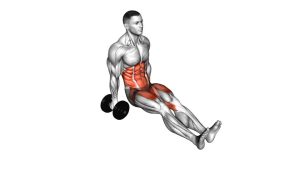
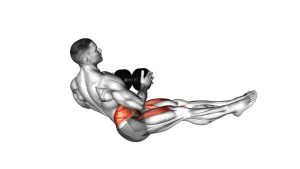
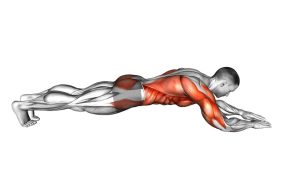
Seated Back Twist: Form, Benefits, Sets, Tips & FAQ
Learn the Seated Back Twist for core control, oblique activation, and spinal rotation mobility with step-by-step form, tips, FAQs, and gear.
Seated Back Twist
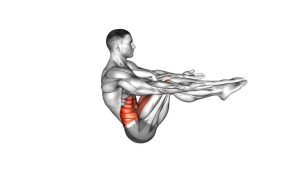
This exercise is best performed with a slow tempo and a calm breathing pattern. Because the movement happens from a seated position, it gives you time to feel the torso rotate without rushing. Additionally, the back hand provides light support, while the front arm creates gentle leverage against the leg. As a result, the movement can improve rotational control without requiring equipment.
Quick Overview
| Body Part | Core |
|---|---|
| Primary Muscle | Obliques |
| Secondary Muscle | Rectus abdominis, transverse abdominis, spinal stabilizers, upper-back rotators |
| Equipment | None; optional exercise mat |
| Difficulty | Beginner |
Sets & Reps (By Goal)
- Mobility warm-up: 1–2 sets × 6–8 slow reps per side
- Core control: 2–3 sets × 8–12 reps per side
- Posture and rotation practice: 2 sets × 5–8 reps per side with a 2–4 second hold
- Cooldown stretch emphasis: 1–2 sets × 20–30 second gentle holds per side
Progression rule: First improve posture, breathing, and control. Then, if your movement stays smooth, increase the hold time before increasing the range of motion.
Setup / Starting Position
- Sit on the floor: Extend both legs forward and keep them close together.
- Lengthen the spine: Sit tall through the crown of the head without rounding the back.
- Place one hand behind you: Use the hand on the floor for balance and light support.
- Position the opposite arm: Bring the opposite arm across toward the outer thigh or knee area.
- Prepare to rotate: Keep the hips grounded and allow the chest, shoulders, and head to turn together.
In the video, the movement begins from a stable seated posture before the torso rotates. Therefore, avoid rushing the setup, because better alignment makes the twist cleaner.
Execution (Step-by-Step)
- Start tall: Sit upright with the legs extended and the torso centered.
- Anchor the support hand: Place one hand behind the body to help keep balance.
- Guide with the opposite arm: Bring the other arm toward the outside of the leg to assist the rotation gently.
- Rotate the torso: Turn the ribs, shoulders, and chest toward one side while keeping the spine long.
- Let the head follow: Look in the direction of the twist without snapping the neck.
- Pause briefly: Hold the deepest comfortable position for 1–4 seconds while breathing normally.
- Return slowly: Unwind back to the center with control, then reset before repeating.
Pro Tips & Common Mistakes
- Keep the spine tall: A long spine allows cleaner rotation and reduces unnecessary strain.
- Move from the torso: Rotate through the ribcage and upper back instead of only turning the head.
- Use the arm lightly: The front arm should guide the twist, not force it.
- Keep the hips grounded: Try not to lift or shift the hips as you rotate.
- Avoid bouncing: Bouncing can turn a controlled mobility drill into a forced stretch.
- Breathe through the hold: Exhaling gently may help you rotate without bracing too hard.
- Return with control: The return phase matters because it trains stability, not just flexibility.
FAQ
What muscles does the Seated Back Twist work?
The Seated Back Twist mainly targets the obliques. However, it also involves the deep core, spinal stabilizers, and upper-back muscles that help control rotation.
Is the Seated Back Twist a stretch or a core exercise?
It can be both. When performed slowly, it improves spinal rotation mobility. Meanwhile, the core muscles help control the twist and the return to center.
Should I twist as far as possible?
No. The goal is a comfortable and controlled rotation. Therefore, stop before your posture collapses or before the movement becomes forced.
Can beginners do the Seated Back Twist?
Yes. This movement is beginner-friendly because it uses bodyweight only and allows a slow pace. Even so, beginners should keep the range moderate and focus on smooth breathing.
Why do I feel this more in my lower back?
You may be rounding, forcing the twist, or rotating without enough core control. Sit taller, reduce the range, and use the arm only as gentle assistance.
Recommended Equipment (Optional)
- Exercise Mat — provides floor comfort and grip during seated mobility work
- Yoga Blocks — useful for support if sitting tall on the floor feels difficult
- Stretching Strap — helpful for lower-body flexibility work that supports seated posture
- Foam Roller — useful for warm-ups and upper-back mobility before rotation drills
- Mobility Ball — helps release tight areas around the back, hips, and glutes before training
Tip: Equipment is optional for this exercise. However, a comfortable mat can make the seated position easier to hold with better posture.