Smith Close-Grip Bench Press: Proper Form, Triceps Focus, Sets, Tips & FAQ
Learn how to perform the Smith Close-Grip Bench Press with proper form to build stronger triceps and pressing strength. Includes setup, execution, sets by goal, common mistakes, FAQs, and recommended equipment.
Smith Close-Grip Bench Press
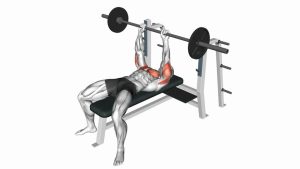
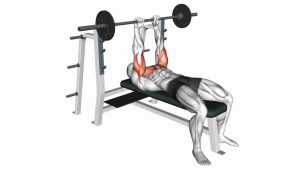
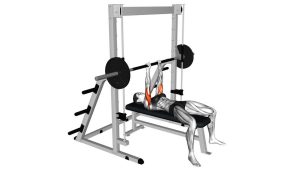
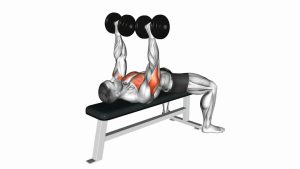
This exercise works best when you keep the grip close enough to bias the triceps, but not so narrow that your wrists fold inward or your elbows become uncomfortable. Lower the bar with control to the lower chest or upper sternum, keep the forearms mostly vertical, and press straight up without letting the elbows flare hard. The goal is smooth, repeatable reps with strong lockout control.
Quick Overview
| Body Part | Triceps |
|---|---|
| Primary Muscle | Triceps brachii |
| Secondary Muscle | Chest (pectorals), anterior deltoids, forearm stabilizers |
| Equipment | Smith machine, flat bench, weight plates |
| Difficulty | Intermediate |
Sets & Reps (By Goal)
- Muscle growth: 3-5 sets x 6-12 reps with 60-90 seconds rest
- Strength / lockout power: 4-6 sets x 4-6 reps with 2-3 minutes rest
- Technique practice: 2-4 sets x 8-10 reps with controlled tempo and moderate load
- Accessory after chest pressing: 2-3 sets x 10-15 reps with smooth lockout focus
Progression rule: Add reps before adding load when possible. Increase weight only when you can keep the bar path controlled, elbows tucked, and wrists stacked through every rep.
Setup / Starting Position
- Position the bench: Place a flat bench under the Smith bar so the bar lines up over your mid-to-lower chest when lying down.
- Set your grip: Take a close grip slightly inside shoulder width. Your hands should be narrow enough to emphasize the triceps but not so narrow that your wrists collapse.
- Plant your feet: Keep both feet flat on the floor for full-body stability.
- Brace your upper body: Retract and lightly depress the shoulder blades. Keep the chest up and upper back tight against the bench.
- Start at lockout: Unrack the bar and hold it above the chest with straight but not hyperextended elbows.
Tip: A grip that is too narrow usually creates more wrist and elbow stress than extra triceps benefit. Use a close, comfortable hand position.
Execution (Step-by-Step)
- Begin from the top: Hold the bar steady above the chest with your shoulder blades set and feet firmly planted.
- Lower with control: Bend the elbows and bring the bar straight down toward the lower chest or upper sternum.
- Keep elbows tucked: Let the elbows travel close to the torso rather than flaring them wide.
- Pause briefly if needed: Stop just above or lightly at the chest without bouncing.
- Press upward: Drive the bar straight up by extending the elbows and squeezing the triceps through the top.
- Finish under control: Reach a strong lockout, reset your position, and repeat for the next rep.
Pro Tips & Common Mistakes
- Use a close grip, not an ultra-narrow grip: Too narrow can irritate the wrists and elbows.
- Keep forearms mostly vertical: This improves force transfer and keeps the movement more efficient.
- Lower to the lower chest area: Bringing the bar too high toward the neck can stress the shoulders.
- Do not flare the elbows too early: A tucked elbow path keeps more emphasis on the triceps.
- Avoid bouncing: Control the bottom position and press with muscle, not momentum.
- Maintain upper-back tightness: Loose shoulders reduce pressing stability and form quality.
- Do not overlock aggressively: Finish the rep with control instead of snapping the elbows hard.
- Use the Smith machine correctly: The fixed bar path can help consistency, but you still need good bench press mechanics.
FAQ
What muscles does the Smith Close-Grip Bench Press work the most?
The primary target is the triceps. The chest and front delts also assist, especially during the pressing phase.
Is the Smith Close-Grip Bench Press better for triceps than a regular bench press?
It usually places more emphasis on the triceps than a standard wider-grip bench press because the narrower grip and tucked elbows increase elbow extension demand.
How close should my grip be?
A good starting point is slightly inside shoulder width. You want a close grip that feels strong and stable without excessive wrist strain.
Should I touch the bar to my chest?
You can lower until the bar lightly touches or comes very close to the lower chest, as long as you maintain control and do not bounce.
Is this exercise good for beginners?
Yes, it can be beginner-friendly because the Smith machine provides a fixed path. Still, proper bench setup, wrist position, and elbow control are important.
Can I use this exercise for strength and muscle growth?
Yes. Lower-rep heavier sets can help lockout strength, while moderate-rep sets are excellent for triceps hypertrophy.
Recommended Equipment
- Weightlifting Wrist Wraps — useful for extra wrist support during close-grip pressing
- Flat Weight Bench — essential if you train close-grip bench press variations at home
- Resistance Bands Set — helpful for triceps warm-ups, pushdowns, and extra upper-arm volume
- Elbow Sleeves — can provide warmth and support during pressing sessions
- Fractional Weight Plates — useful for making smaller progressive overload jumps
Tip: Choose accessories that improve comfort and consistency, not shortcuts that hide poor technique.