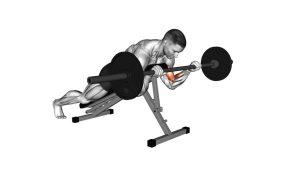
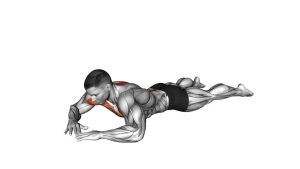
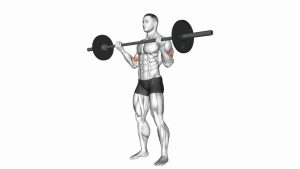
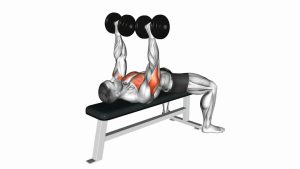
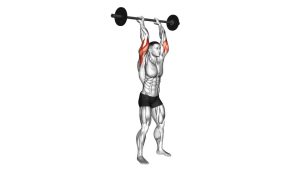
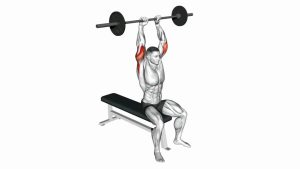
EZ-Barbell JM Bench Press: Proper Form, Sets, Tips & FAQ
Learn how to do the EZ-Barbell JM Bench Press with proper form to build stronger triceps. Includes setup, execution, sets by goal, common mistakes, FAQs, and recommended equipment.
EZ-Barbell JM Bench Press
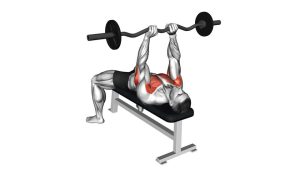
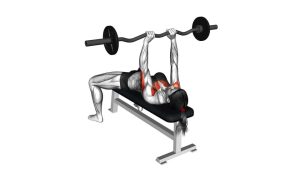
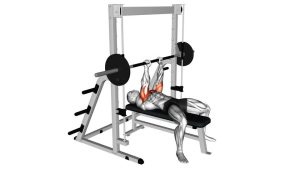
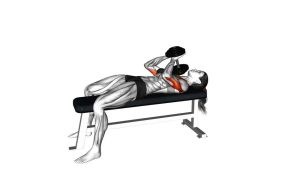
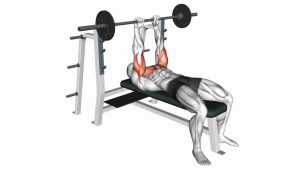
This exercise is best performed with a controlled tempo, a moderate grip width, and a clear focus on elbow mechanics. The goal is not to turn it into a full bench press or a pure lying triceps extension. When done correctly, the EZ-Barbell JM Bench Press can be a highly effective movement for building triceps size, pressing strength, and lockout power.
Quick Overview
| Body Part | Triceps |
|---|---|
| Primary Muscle | Triceps brachii |
| Secondary Muscle | Chest, anterior deltoids, forearm stabilizers |
| Equipment | EZ barbell, weight plates, flat bench |
| Difficulty | Intermediate |
Sets & Reps (By Goal)
- Muscle growth: 3–4 sets × 8–12 reps with controlled tempo and full triceps tension
- Strength / lockout power: 4–5 sets × 4–6 reps using heavier weight and strict form
- Accessory pressing work: 3–4 sets × 6–10 reps after bench press or close-grip pressing
- Technique practice: 2–3 sets × 8–10 reps with lighter weight to master the elbow path
Progression rule: Add load gradually only when you can keep the elbows controlled, the bar path consistent, and the triceps doing the work without shoulder or wrist compensation.
Setup / Starting Position
- Lie flat on the bench: Keep your head, upper back, and glutes stable on the pad with both feet firmly planted on the floor.
- Grip the EZ bar: Use a narrow-to-medium grip that feels comfortable on the wrists while still emphasizing the triceps.
- Start above the chest: Press the bar to arm’s length so it is balanced over the chest/upper torso area.
- Tuck the elbows slightly: Do not flare them wide like a bodybuilding bench press. Keep them close enough to maintain triceps focus.
- Brace your upper body: Keep the shoulders packed down and back, with the wrists stacked securely under the bar.
Tip: The EZ bar usually feels more natural on the wrists than a straight bar, which makes this variation especially useful for lifters who want triceps overload with better comfort.
Execution (Step-by-Step)
- Begin the descent: Lower the bar in a controlled arc rather than straight down to the chest.
- Let the elbows move forward slightly: This is one of the defining features of the JM Press and helps shift tension onto the triceps.
- Guide the bar toward the upper chest / lower face line: The exact touchpoint depends on your arm length and build, but it should stay between a close-grip press and a skull crusher path.
- Pause briefly near the bottom: Keep tension on the triceps and avoid bouncing or collapsing the bar into the body.
- Press back up smoothly: Extend the elbows and return the bar to the start position over the upper torso.
- Finish under control: Lock out without hyperextending and prepare for the next rep with the same bar path.
Pro Tips & Common Mistakes
- Use a moderate load first: This lift rewards precision more than ego loading.
- Keep the elbows tucked but mobile: They should not flare out hard, but they also should not stay locked in one rigid press position.
- Control the bottom range: Avoid crashing the bar too low or losing tension at the turnaround point.
- Do not turn it into a bench press: A chest-dominant press usually means the elbows are not traveling correctly.
- Do not turn it into a skull crusher: If the bar drops too high toward the forehead, the movement loses its intended pressing-extension blend.
- Watch wrist position: Keep the wrists stacked and neutral instead of allowing them to fold backward.
- Train through a repeatable bar path: Consistency is what makes this exercise effective and joint-friendly.
FAQ
What muscles does the EZ-Barbell JM Bench Press work?
It primarily targets the triceps, especially for strength and hypertrophy, while the chest and front delts assist as secondary muscles.
Is the JM Press more of a press or an extension?
It is a hybrid movement. It combines the elbow extension demands of a triceps extension with the pressing mechanics of a close-grip bench variation.
Why use an EZ bar for JM Presses?
The angled grips can feel more comfortable on the wrists and elbows, which often makes the movement easier to perform with good control.
Where should I lower the bar?
Usually toward the upper chest / lower face zone, depending on your build. The exact path should feel natural, controlled, and triceps-focused.
Can beginners do this exercise?
Beginners can learn it, but it is usually best after building some basic pressing control first. Most lifters benefit from starting light and practicing the bar path before loading it heavily.
Recommended Equipment
- EZ Curl Bar — the main tool for this exercise, offering a more wrist-friendly grip angle than a straight bar
- Olympic Weight Plates — lets you scale resistance gradually as your triceps strength improves
- Flat Weight Bench — provides the stable base needed for safe setup and repeatable pressing mechanics
- Barbell Collars — helps secure the plates and keep the EZ bar balanced during the set
- Wrist Wraps — optional support if you want extra wrist stability during heavier triceps pressing work
Tip: Choose equipment that improves stability, comfort, and repeatability. For this movement, clean mechanics matter more than adding weight too quickly.