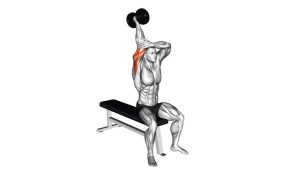
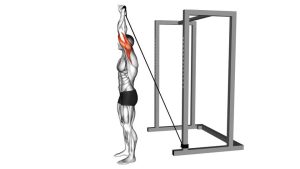
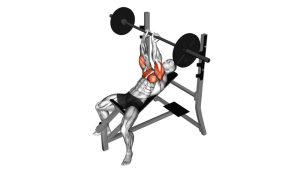
Barbell JM Bench Press: Proper Form, Sets, Tips & FAQ
Learn the Barbell JM Bench Press to build stronger, bigger triceps with a hybrid press-extension movement. Includes setup, step-by-step form, sets by goal, mistakes, FAQs, and recommended equipment.
Barbell JM Bench Press
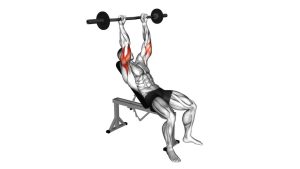
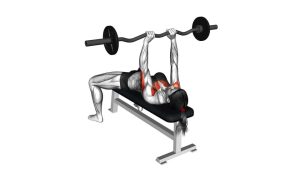
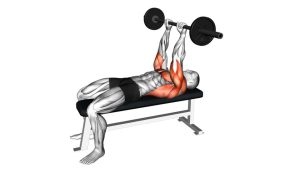
This exercise works best with controlled tempo, a moderate grip width, and a smooth bar path. The goal is not to turn it into a normal close-grip bench press or a pure skull crusher. You want a balanced hybrid pattern where the elbows move forward during the descent, the bar stays under control, and the triceps do most of the work. Done well, the Barbell JM Bench Press is excellent for building triceps mass, improving lockout strength, and adding variety to upper-arm training.
Quick Overview
| Body Part | Triceps |
|---|---|
| Primary Muscle | Triceps brachii (especially the long head) |
| Secondary Muscle | Chest and front delts assist lightly; forearms and wrist stabilizers support control |
| Equipment | Barbell, flat bench, weight plates, collars |
| Difficulty | Intermediate (requires control, elbow positioning, and bar path awareness) |
Sets & Reps (By Goal)
- Muscle growth: 3–4 sets × 8–12 reps with controlled lowering and full triceps tension
- Strength / lockout focus: 4–5 sets × 4–6 reps using heavier loads and strict technique
- Accessory pressing work: 3–4 sets × 6–10 reps after bench or close-grip pressing
- Technique practice: 2–3 sets × 8–10 reps with light-to-moderate weight to learn the groove
Progression rule: Add load only when you can keep the elbows controlled, lower the bar with precision, and finish each rep without turning it into a sloppy close-grip bench press.
Setup / Starting Position
- Lie flat on the bench: Keep your eyes under the bar, feet planted firmly, and upper back tight.
- Use a close-to-moderate grip: Hands should be narrower than a standard bench press, but not so close that your wrists collapse inward.
- Unrack with straight arms: Hold the bar above your upper chest / shoulder line with wrists stacked and elbows controlled.
- Set your shoulders: Pull the shoulder blades down and back lightly to create a stable pressing base.
- Brace before descending: Keep the ribcage steady and prepare to guide the elbows slightly forward as the bar lowers.
Tip: A grip that is too narrow often irritates the wrists and elbows. Choose a position that lets you keep a strong forearm angle and steady bar control.
Execution (Step-by-Step)
- Start from the top: Hold the bar over the upper chest with straight arms and a stable body position.
- Lower under control: Bring the bar down toward the upper chest / lower face line, not to the mid-chest like a regular bench press.
- Let the elbows travel forward slightly: This is a key part of the JM Press pattern and helps shift emphasis onto the triceps.
- Pause briefly near the bottom: Stop before the bar crashes into the body and keep tension through the arms.
- Press back up through the triceps: Extend the elbows and guide the bar back to the starting line.
- Finish under control: Lock out smoothly without over-jamming the elbows or losing upper-body tightness.
Pro Tips & Common Mistakes
- Keep the descent controlled: The lowering phase determines whether the triceps stay loaded correctly.
- Don’t drop the bar to the chest: That turns the movement into a close-grip bench press instead of a JM Press.
- Don’t flare the elbows aggressively: Excess flare increases joint stress and reduces clean triceps mechanics.
- Don’t go too heavy too soon: This exercise rewards technique more than ego loading.
- Keep wrists stacked: Avoid excessive wrist bend, especially with a very narrow grip.
- Use a moderate tempo: Lower with intent, pause briefly, then press hard but smoothly.
- Program it smartly: It works well after bench pressing, close-grip benching, or as a primary triceps mass builder.
FAQ
What muscles does the Barbell JM Bench Press work most?
The Barbell JM Bench Press mainly targets the triceps, especially the long head. The chest and front delts assist slightly, but the main training effect should be felt in the upper arms.
Is the JM Press a bench press or a skull crusher?
It is a hybrid movement. It combines the pressing pattern of a close-grip bench press with the elbow-dominant mechanics of a lying triceps extension.
Where should I lower the bar during a JM Press?
Lower the bar toward the upper chest / chin line, not the mid-chest. The exact touchpoint varies slightly by limb length and grip width, but it should feel natural and controlled.
Can beginners do the Barbell JM Bench Press?
Beginners can learn it, but it is usually better for intermediate lifters who already understand pressing mechanics and elbow control. Start with light weight and practice the groove first.
Is the JM Press good for improving bench lockout?
Yes. Since it heavily trains the triceps through a pressing-extension pattern, it can help improve lockout strength and support stronger pressing performance.
Recommended Equipment
- Olympic Barbell — the main tool for loading the JM Press safely and progressively
- Flat Weight Bench — provides the stable base needed for controlled barbell pressing work
- Weight Plates Set — lets you scale the movement for hypertrophy, strength, or technique practice
- Barbell Collars — helps secure the plates and keep the setup safer during pressing sessions
- Wrist Wraps — useful for extra wrist support if heavy JM Press work bothers your wrists
Tip: A power rack or spotter is highly recommended when pushing heavier sets, especially if you are still learning the correct groove.