Twisting Crunch: Proper Form, Oblique Benefits, Sets, Tips & FAQ
Learn the Twisting Crunch to train abs and obliques with controlled rotation. Includes setup, steps, sets, mistakes, FAQs, and equipment tips.
Twisting Crunch
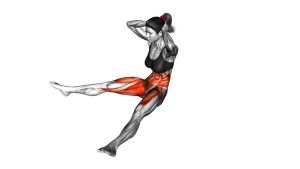
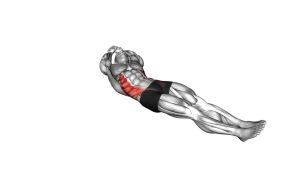
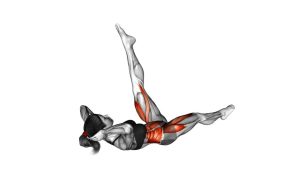
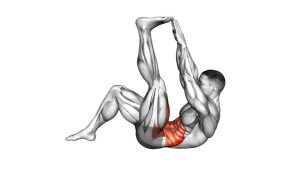
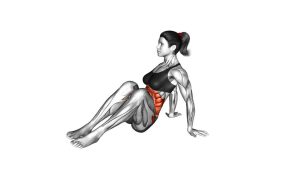
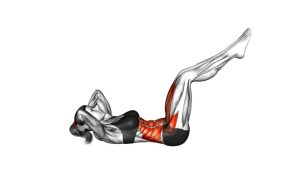
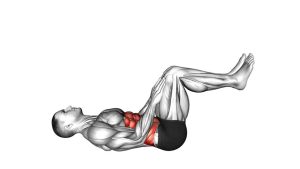
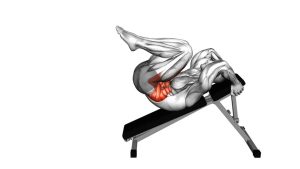
This exercise is best performed with a small, precise crunch and a smooth twist. Since the hands stay behind the head, they should support the head lightly without yanking the neck forward. Also, the feet should remain flat and stable throughout the rep. As a result, the abs create the lift while the obliques guide the rotation.
Quick Overview
| Body Part | Abs |
|---|---|
| Primary Muscle | Rectus abdominis |
| Secondary Muscle | Internal obliques, external obliques, deep core stabilizers |
| Equipment | None; optional exercise mat for comfort |
| Difficulty | Beginner to intermediate, depending on tempo and control |
Sets & Reps (By Goal)
- Beginner core control: 2–3 sets × 8–10 reps per side with slow rotation.
- Muscle endurance: 3–4 sets × 12–16 total reps with steady breathing.
- Oblique focus: 3 sets × 10–12 reps per side with a brief pause at the top.
- Home ab circuit: 2–4 rounds × 30–45 seconds, using clean form instead of speed.
Progression rule: First increase control, then add reps. However, do not increase speed if your hips begin shifting or your neck starts pulling forward.
Setup / Starting Position
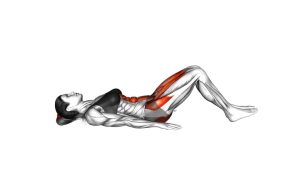
- Lie on your back: Place your body flat on the floor or an exercise mat.
- Bend your knees: Keep both feet flat and stable on the ground.
- Place hands behind the head: Let the fingers support the head lightly without pulling.
- Open the elbows: Keep the elbows wide enough to avoid folding the shoulders inward.
- Brace gently: Tighten the midsection before lifting so the lower body stays quiet.
Tip: Before every rep, make sure your feet, hips, and lower back position stay steady. This helps the twist come from the upper torso instead of the legs.
Execution (Step-by-Step)
- Start flat: Lie with your knees bent, feet planted, and hands behind your head.
- Exhale and lift: Raise your head, shoulders, and upper back from the floor using your abs.
- Rotate the torso: Turn your upper body toward one side while keeping your hips stable.
- Reach the peak: Pause briefly when the crunch and twist are strongest.
- Lower with control: Return your shoulders and upper back to the floor without dropping suddenly.
- Repeat to the other side: Alternate sides or complete all reps on one side before switching.
Pro Tips & Common Mistakes
- Lift before you twist: Create the crunch first, then add rotation for better abdominal control.
- Avoid neck pulling: Keep the hands light behind the head and let the abs lift the shoulders.
- Keep the feet planted: If your feet move, reduce the range or slow the tempo.
- Do not swing: Momentum reduces tension on the abs and may irritate the lower back.
- Rotate through the torso: Think about turning the rib cage, not just moving the elbow across.
- Control the lowering phase: Lower slowly so the core stays active through the full rep.
- Breathe naturally: Exhale as you crunch and twist, then inhale as you return down.
FAQ
What muscles does the twisting crunch work?
The twisting crunch mainly works the rectus abdominis. In addition, the twisting action trains the internal and external obliques, especially when the hips stay stable.
Is the twisting crunch good for beginners?
Yes, it can be beginner-friendly when performed slowly. However, beginners should use a small range of motion and avoid pulling on the neck.
Should my elbow touch my knee?
No, touching the elbow to the knee is not required. Instead, focus on lifting the upper torso and rotating with control. Better form matters more than forcing contact.
Why do I feel twisting crunches in my neck?
Neck tension usually happens when the hands pull the head forward. To fix this, keep the chin slightly tucked, support the head lightly, and let the abs perform the lift.
Can twisting crunches reduce belly fat?
Twisting crunches strengthen the abs and obliques, but they do not directly burn fat from one area. For visible definition, combine core training with full-body exercise, nutrition, and consistency.
Recommended Equipment
- Exercise Mat — adds comfort for the spine, shoulders, and hips during floor crunches.
- Thick Yoga Mat — useful if you need extra cushioning for repeated ab workouts.
- Ab Workout Mat — supports the lower back during crunch-based core exercises.
- Non-Slip Fitness Mat — helps keep your body stable while rotating through each rep.
- Core Sliders — optional tool for pairing twisting crunches with other core movements.
Tip: For this exercise, equipment is optional. Still, a comfortable mat can improve control because it helps you focus on the crunch instead of floor pressure.