Two Legs Hammer Curl with Towel: Form, Muscles Worked, Sets, Tips & FAQ
Learn how to do the Two Legs Hammer Curl with Towel for biceps, brachialis, and forearm strength using self-generated resistance. Includes setup, step-by-step form, sets by goal, common mistakes, FAQs, and recommended equipment.
Two Legs Hammer Curl with Towel
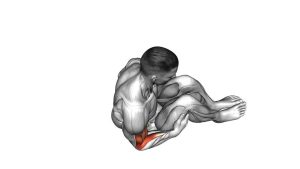
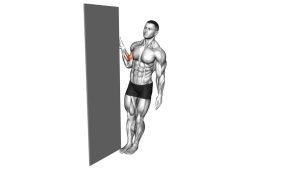
This exercise is a great option for home training when you want to challenge the arms without dumbbells. Because the resistance comes from your own legs pushing against the curl, you can instantly adjust intensity rep by rep. The neutral hammer grip shifts extra emphasis onto the brachialis and brachioradialis, making it useful for building arm thickness and grip-related strength.
Quick Overview
| Body Part | Biceps |
|---|---|
| Primary Muscle | Brachialis and biceps brachii |
| Secondary Muscle | Brachioradialis, forearm flexors, core stabilizers, hip flexors |
| Equipment | Towel |
| Difficulty | Beginner to Intermediate |
Sets & Reps (By Goal)
- Muscle building: 3–4 sets × 8–15 reps with controlled self-resistance and 45–75 seconds rest
- Arm endurance: 2–4 sets × 15–20 reps using moderate tension and a steady tempo
- Home strength practice: 3–5 sets × 6–10 reps with stronger leg resistance and slower eccentrics
- Finisher work: 1–2 sets close to technical fatigue after your main arm session
Progression rule: First improve control, range, and squeeze quality. Then increase resistance by pressing harder through the legs or slowing the lowering phase.
Setup / Starting Position
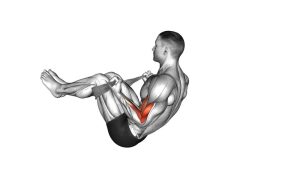
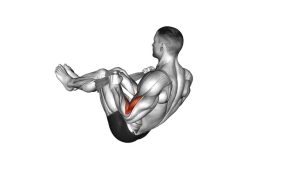
- Sit on the floor: Lean back slightly with your chest up and core engaged.
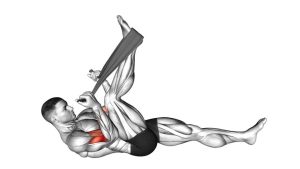
- Raise both legs: Keep the feet elevated and loop a towel securely under both feet.
- Grab the towel ends: Hold one end in each hand with a neutral hammer grip, palms facing each other.
- Set arm position: Start with the elbows partially extended in front of the body, not locked out stiffly.
- Create tension: Push lightly through the legs and pull with the arms so the towel already feels loaded before the first rep.
Tip: Sit tall and keep the shoulders down. Your goal is to make the curl hard with tension, not by swinging the body.
Execution (Step-by-Step)
- Brace your position: Tighten the core, keep the torso steady, and hold the feet up with the towel anchored under them.
- Start curling: Bend the elbows and pull the towel handles toward your torso while the legs resist the motion.
- Keep the grip neutral: Maintain a hammer-curl hand position throughout the rep to emphasize the brachialis and forearms.
- Reach peak contraction: Bring the hands in toward the chest without shrugging the shoulders or collapsing posture.
- Lower slowly: Extend the arms under control while continuing to resist with the legs so the towel stays tight on the way down.
- Repeat smoothly: Perform each rep with constant tension and no bouncing or jerking.
Pro Tips & Common Mistakes
- Keep towel tension constant: Do not let the towel go slack between reps.
- Use the legs intelligently: The feet should resist the curl, not overpower it so much that range disappears.
- Stay in a strong seated position: Avoid rounding the back or collapsing the chest.
- Keep the elbows driving the curl: Do not turn it into a rowing motion.
- Control the lowering phase: The eccentric portion adds a lot of training value in self-resistance exercises.
- Do not rush: A slower tempo improves both muscular tension and technique quality.
- Watch wrist position: Keep the wrists neutral instead of bending them sharply inward or backward.
FAQ
What muscles does the Two Legs Hammer Curl with Towel work?
It mainly trains the biceps, brachialis, and brachioradialis. Because you hold the position seated with the legs elevated, the core and hip flexors also help stabilize the body.
Why use a hammer grip instead of a regular underhand curl?
The neutral hammer grip increases emphasis on the brachialis and forearms, which can help improve total arm thickness and support stronger curling performance overall.
Is this a good exercise if I do not have weights at home?
Yes. This is one of the better no-weight arm exercises because you can create meaningful resistance by using your legs against the pulling action of the arms.
How hard should I push with my legs?
Use enough leg resistance to make the curl challenging while still allowing a full, controlled range of motion. Too much resistance turns the rep into a short isometric grind, while too little makes it too easy.
Can beginners do this exercise?
Yes. Beginners can start with lighter resistance and a smaller lean-back angle. As control improves, they can increase towel tension, rep quality, and total volume.
Recommended Equipment
- Workout Towel / Gym Towel — a durable towel gives you a more secure grip and better self-resistance control
- Resistance Bands Set — useful if you want a scalable progression after mastering towel curls
- Exercise Mat / Yoga Mat — improves comfort and stability when performing seated floor-based arm work
- Wrist Wraps — optional support if your wrists fatigue during high-tension self-resistance work
- Door Anchor for Bands — a useful add-on if you want more home arm-training variety beyond towel curls
Tip: A thick, strong towel and a non-slip training surface usually make this exercise feel much better and more controlled.