Lying Biceps Curl with Towel: Form, Sets, Tips & FAQ
Learn how to do the Lying Biceps Curl with Towel for home-based arm training. See proper form, setup, execution steps, sets by goal, common mistakes, FAQs, and recommended equipment.
Lying Biceps Curl with Towel
This variation works best when you focus on constant tension instead of speed. Because resistance comes from your own body, you can easily adjust the difficulty by changing how hard the leg pushes and how strongly the hands pull. Done correctly, it can be an effective option for home workouts, travel sessions, or no-equipment arm training.
Quick Overview
| Body Part | Biceps |
|---|---|
| Primary Muscle | Biceps brachii |
| Secondary Muscle | Brachialis, brachioradialis, forearms, core stabilizers |
| Equipment | Towel and bodyweight resistance |
| Difficulty | Beginner to intermediate |
Sets & Reps (By Goal)
- Muscle growth: 3–4 sets × 10–15 reps per side
- General arm endurance: 2–3 sets × 15–20 reps per side
- Control and technique: 2–4 sets × 8–12 slow reps per side
- Home workout finisher: 2–3 sets × near technical fatigue
Progression rule: Increase resistance gradually by pushing harder with the foot, slowing the eccentric, or adding reps before increasing total set volume.
Setup / Starting Position
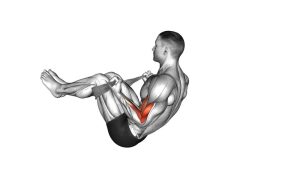
- Lie on your back: Position yourself flat on the floor or an exercise mat.
- Raise one leg: Extend one leg upward so the foot can anchor the towel securely.
- Loop the towel: Place the towel under the raised foot and hold one end in each hand.
- Set your arms: Extend the arms upward toward the foot with elbows slightly soft.
- Brace your torso: Keep the core engaged and avoid excessive arching through the lower back.
- Fix the upper arms: Aim to keep the elbows controlled so the curl comes mainly from elbow flexion.
Tip: Use a strong towel with a comfortable grip so you can keep tension without the hands slipping.
Execution (Step-by-Step)
- Start under light tension: Pull gently on the towel while the raised leg resists.
- Curl the towel downward: Bend your elbows and bring your hands toward your face or upper chest.
- Keep the leg steady: The foot acts as the anchor, so avoid letting the leg wobble around.
- Squeeze at the top: Pause briefly when the elbows are fully or nearly fully flexed.
- Lower slowly: Extend the elbows with control while keeping tension in the towel.
- Repeat evenly: Maintain a steady tempo and match the same effort rep to rep.
Pro Tips & Common Mistakes
- Control both directions: Don’t just pull hard—also resist the lowering phase.
- Keep the upper arms quiet: Too much shoulder motion reduces direct biceps tension.
- Use the leg as resistance, not momentum: The foot should provide steady opposition.
- Don’t rush the reps: Self-resistance works best with deliberate tempo.
- Avoid gripping too hard with the neck tense: Keep the shoulders and jaw relaxed.
- Use full but comfortable range: Don’t force an awkward elbow or wrist position.
FAQ
Is the Lying Biceps Curl with Towel good for building muscle?
Yes, it can help build muscle if you apply enough tension, use controlled reps, and work close to muscular fatigue. It is especially useful when you do not have access to weights.
Do I need weights for this exercise?
No. The exercise uses a towel plus self-generated resistance from your leg, making it a practical no-equipment biceps option.
Where should I feel it?
You should mainly feel it in the biceps and front of the upper arm, with some help from the forearms and core for stability.
Can beginners do this exercise?
Yes. Beginners can start with lighter self-resistance and shorter sets, then gradually increase the intensity as control improves.
What is the biggest mistake with this movement?
The most common mistake is using inconsistent resistance—either pulling too fast, letting the foot move too much, or turning the curl into a shoulder-dominant motion instead of a true elbow-flexion exercise.
Recommended Equipment
- Resistance Bands Set — useful if you want to progress from towel-based self-resistance to more adjustable arm training
- Door Anchor for Resistance Bands — helps create more exercise variations for curls and upper-body home workouts
- Yoga Mat / Exercise Mat — makes the lying position more comfortable and stable on hard floors
- Resistance Band Kit — a practical next step for full-body training if you want more loading options at home
- Exercise Bands — convenient for adding warm-ups, curls, rows, and arm finishers to the same routine
These Amazon categories are widely available for home training support, including resistance bands, door anchors, and exercise mats.