Wide Plank Side Tap: Form, Benefits, Sets, Tips & FAQ
Learn the Wide Plank Side Tap to build core stability, oblique control, shoulder strength, and anti-rotation endurance with proper form.
Wide Plank Side Tap
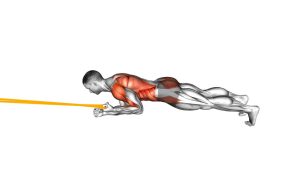
This exercise is useful for building anti-rotation strength, shoulder endurance, and total-body plank control. Because the hands and feet are placed wider than a normal plank, the body has more support, but the side tap still challenges your ability to keep the trunk stable. Each rep should feel controlled, balanced, and intentional.
Quick Overview
| Body Part | Core |
|---|---|
| Primary Muscle | Obliques, rectus abdominis, transverse abdominis |
| Secondary Muscle | Shoulders, serratus anterior, chest, hip flexors, glutes |
| Equipment | No equipment required; optional exercise mat or wrist support |
| Difficulty | Beginner to intermediate depending on tempo, range, and control |
Sets & Reps (By Goal)
- Core control: 2–3 sets × 8–12 taps per side with slow, clean movement.
- Shoulder stability: 3–4 sets × 10–14 taps per side with steady arm pressure.
- Core endurance: 2–4 sets × 30–45 seconds while maintaining even breathing.
- Beginner practice: 2 sets × 6–8 taps per side with a wider foot stance.
- Advanced control: 3–4 sets × 12–16 taps per side with slower tempo and minimal hip rotation.
Progression rule: First improve control, then increase reps or time. Do not progress by rushing. A slower rep with stable hips is more effective than a fast rep with twisting and shoulder collapse.
Setup / Starting Position
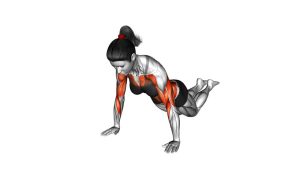
- Start in a high plank: Place your hands on the floor wider than shoulder-width.
- Set your feet wide: Spread your feet wider than hip-width to create a stable base.
- Stack your body: Keep your head, shoulders, hips, knees, and heels in one long line.
- Brace your core: Gently tighten your abs as if preparing for a light punch to the stomach.
- Press the floor away: Keep the upper back active so your shoulders do not sink between your arms.
- Look down: Keep your neck neutral and eyes toward the floor.
Your base should feel wide and stable, but your body should still stay active. Avoid relaxing into your lower back.
Execution (Step-by-Step)
- Hold the wide plank: Start with both hands and both feet planted firmly on the floor.
- Shift your weight slightly: Move your body weight toward one supporting hand without dropping the shoulder.
- Lift the opposite hand: Keep your core tight as one hand leaves the floor.
- Tap across or to the side: Reach the moving hand toward the opposite side or slightly under the torso, depending on your range.
- Control the hips: Let your torso rotate only slightly. Do not allow the hips to swing or collapse.
- Return the hand: Place the hand back in its starting position with control.
- Repeat on the other side: Shift weight to the opposite hand and perform the same side tap.
- Continue alternating: Keep each rep smooth, stable, and evenly paced.
Pro Tips & Common Mistakes
- Keep the stance wide: A wider base helps you control the side tap without excessive hip rotation.
- Move slowly: Slow taps build better core stability than fast, sloppy reps.
- Press through the support hand: Keep the shoulder strong and avoid sinking into the wrist.
- Brace before lifting: Tighten your abs before the hand leaves the floor.
- Do not let the hips sway: Small rotation is normal, but large twisting reduces core control.
- Avoid lower-back sagging: Slightly tuck the pelvis and keep the ribs pulled down.
- Keep the neck neutral: Do not look forward or drop the head.
- Use a mat if needed: A good mat can reduce wrist and hand discomfort.
FAQ
What muscles does the Wide Plank Side Tap work?
The Wide Plank Side Tap mainly works the obliques, rectus abdominis, and transverse abdominis. It also trains the shoulders, serratus anterior, chest, hip flexors, and glutes as stabilizers.
Is the Wide Plank Side Tap good for beginners?
Yes, it can be beginner-friendly when performed slowly with a wide foot stance. Beginners should start with fewer reps and focus on keeping the hips stable before increasing speed or volume.
Why do my hips twist during this exercise?
Hip twisting usually happens when the core is not braced before the hand lifts. Widen your feet, slow down the tap, and focus on keeping your ribs and pelvis controlled.
Should I do this exercise fast or slow?
Slow is better for form and core control. Fast reps can turn the movement into momentum instead of true anti-rotation training.
Can this exercise help improve plank strength?
Yes. Because it adds hand movement and weight shifting, it can improve plank strength, shoulder stability, and your ability to maintain core tension during dynamic movement.
Recommended Equipment
- Exercise Mat — provides hand, wrist, and foot comfort during floor-based core exercises.
- Workout Wrist Wraps — helpful if your wrists feel strained during high plank positions.
- Push-Up Handles — can reduce wrist extension and make plank variations more comfortable.
- Core Sliders — useful for progressing plank-based core work and controlled lateral movement.
- Resistance Bands Set — helpful for pairing this drill with shoulder stability and upper-back activation work.
Equipment is optional. The Wide Plank Side Tap can be performed with bodyweight only, but the right tools can improve comfort, stability, and long-term consistency.