Sit-Up Stand-Up: Form, Core Benefits, Sets, Tips & FAQ
Learn the Sit-Up Stand-Up exercise to build core control, leg strength, balance, and full-body coordination using a sturdy box or bench.
Sit-Up Stand-Up
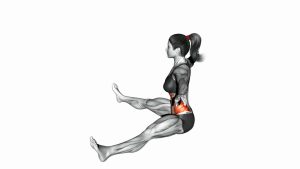
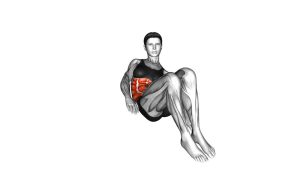
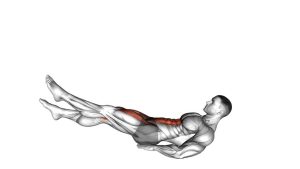
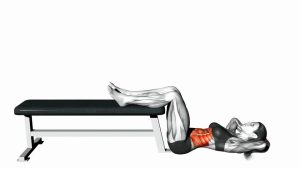
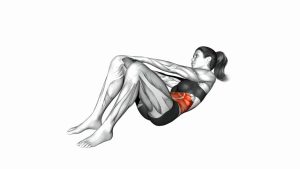
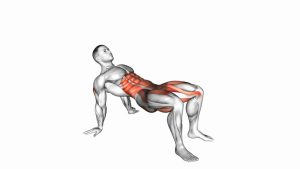
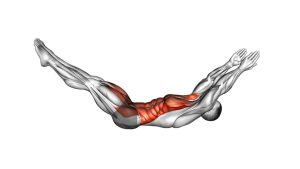
This exercise works best when every phase is controlled. First, you sit back onto the box with steady knee and hip control. Next, you lean your torso back while keeping your feet planted. Then, you return upright and stand tall without bouncing. As a result, the movement challenges the abs, hip flexors, quads, glutes, and balance system in one smooth sequence.
Quick Overview
| Body Part | Core |
|---|---|
| Primary Muscle | Rectus abdominis and deep core stabilizers |
| Secondary Muscle | Quadriceps, hip flexors, glutes, hamstrings, and spinal stabilizers |
| Equipment | Sturdy box, bench, or step platform |
| Difficulty | Beginner to Intermediate, depending on box height and control level |
Sets & Reps (By Goal)
- Movement learning: 2–3 sets × 5–8 reps with a slow, controlled tempo.
- Core strength: 3–4 sets × 8–12 reps, resting 45–75 seconds between sets.
- Leg and core endurance: 2–4 sets × 12–15 reps with clean form.
- Functional conditioning: 3–5 rounds × 30–45 seconds, using smooth reps only.
Progression rule: First improve control and tempo. Then increase reps, lower the box slightly, or slow down the lean-back phase.
Setup / Starting Position
- Place the box behind you: Stand close enough that your hips can sit back onto it without reaching or falling.
- Set your feet: Keep your feet about hip-width to shoulder-width apart and flat on the floor.
- Extend your arms forward: Hold both arms in front of your chest to help balance the descent and return.
- Brace lightly: Tighten your core enough to control your torso, but avoid holding your breath.
- Stand tall: Keep your chest lifted, shoulders relaxed, and eyes forward before starting.
Tip: A higher box makes the exercise easier. A lower box increases the squat demand and requires more control.
Execution (Step-by-Step)
- Sit back under control: Bend your knees and hips as you lower toward the box.
- Touch down softly: Sit on the box without dropping your weight or bouncing.
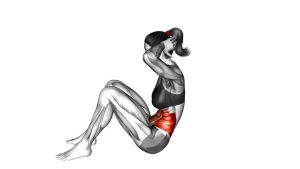
- Lean back slowly: Recline your torso backward while keeping your feet planted and your core engaged.
- Control the end range: Pause briefly when your torso reaches the supported lean-back position.
- Sit back up: Use your abs and hip flexors to bring your torso forward to an upright seated position.
- Stand tall: Press through your feet, extend your knees and hips, and return to a full standing position.
- Reset your posture: Keep your arms forward, regain balance, and repeat with the same controlled rhythm.
Pro Tips & Common Mistakes
- Keep your feet planted: Avoid lifting the heels or sliding the feet during the lean-back phase.
- Use the arms for balance: Keep them forward instead of swinging them for momentum.
- Sit softly: Do not collapse onto the box, because that removes tension and reduces control.
- Brace before leaning back: A light core brace helps protect the lower back and improves the return.
- Stand through the whole foot: Push evenly through the heel, midfoot, and forefoot.
- Avoid knee cave: Keep your knees tracking in the same direction as your toes.
- Control the torso: Do not throw the shoulders backward or snap forward aggressively.
- Choose the right box height: If the exercise feels unstable, use a taller box before progressing.
FAQ
What muscles does the Sit-Up Stand-Up work?
The exercise mainly trains the abs and deep core stabilizers. However, it also works the quadriceps, hip flexors, glutes, and spinal stabilizers because you must sit, lean back, return upright, and stand with control.
Is the Sit-Up Stand-Up good for beginners?
Yes, it can be beginner-friendly when performed with a stable, higher box. Nevertheless, beginners should use a slow tempo and avoid leaning too far back until they can control the movement without momentum.
Should I use momentum to stand up?
No. The goal is controlled strength, not speed. Instead of swinging the arms or bouncing off the box, press through your feet and stand up with steady hip and knee extension.
Why do I feel this in my thighs?
That is normal. The standing phase uses the quadriceps and glutes, especially when the box is lower. If your thighs fatigue before your core, raise the box or reduce reps.
How can I make the exercise easier?
Use a taller box, reduce the lean-back range, slow the movement down, or place your hands slightly forward for balance. Additionally, practice the sit-to-stand portion alone before adding the lean-back phase.
How can I make the exercise harder?
Use a slightly lower box, increase the lean-back range, pause at the reclined position, or slow the return to upright. However, only progress when you can keep your feet planted and your torso controlled.
Recommended Equipment
- Plyometric Box — provides a stable target for the sit-down and supported lean-back phase.
- Adjustable Workout Bench — useful if you want a firm surface with adjustable height options.
- Thick Exercise Mat — improves floor comfort and adds grip under the feet or box area.
- Resistance Bands Set — useful for warm-ups, glute activation, and core accessory drills.
- Non-Slip Exercise Step Platform — a lower-profile option for controlled sit-to-stand and box-based training.
Tip: Choose equipment that stays stable under your body weight. If the box, bench, or platform shifts during reps, stop immediately and use a more secure setup.