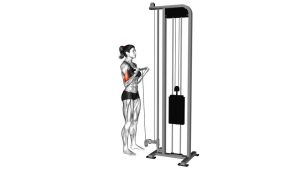
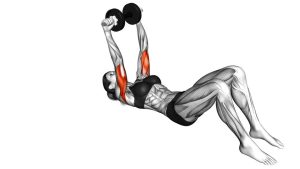
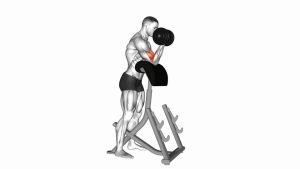
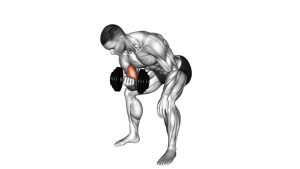
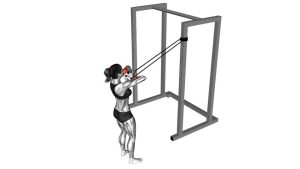
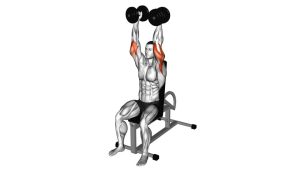
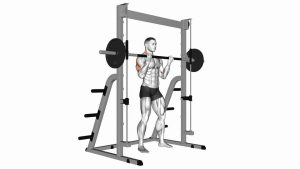
Dumbbell Standing Inner Biceps Curl: Form, Sets, Muscles Worked & Tips
Learn how to perform the Dumbbell Standing Inner Biceps Curl with strict form to target the short head of the biceps. Includes setup, execution, sets by goal, common mistakes, FAQs, and recommended equipment.
Dumbbell Standing Inner Biceps Curl
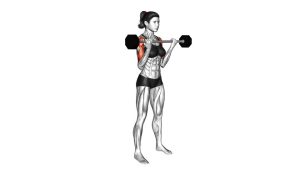
This exercise is ideal for lifters who want to build fuller-looking upper arms with clean technique rather than momentum. The standing position trains control, while the inward emphasis helps place more tension on the inner portion of the biceps. Done correctly, you should feel the biceps doing the work from bottom to top, especially during the peak contraction.
Quick Overview
| Body Part | Biceps |
|---|---|
| Primary Muscle | Biceps brachii (short head / inner biceps emphasis) |
| Secondary Muscle | Brachialis, brachioradialis, forearm stabilizers |
| Equipment | Pair of dumbbells |
| Difficulty | Beginner to Intermediate |
Sets & Reps (By Goal)
- Muscle growth: 3–4 sets × 8–12 reps, 60–90 sec rest
- Strength-focused arm work: 4 sets × 6–8 reps, 90 sec rest
- Definition / pump work: 2–4 sets × 12–15 reps, 45–60 sec rest
- Technique practice: 2–3 sets × 10–12 reps with lighter weight and slow tempo
Progression rule: Increase reps first, then increase weight slightly once you can maintain strict posture, full control, and a clean squeeze at the top of every rep.
Setup / Starting Position
- Stand tall: Keep your feet about shoulder-width apart and your knees softly unlocked.
- Hold the dumbbells at your sides: Let your arms hang naturally with a controlled grip.
- Set your posture: Lift the chest slightly, brace the core, and keep the shoulders down and back.
- Keep elbows close: Position your elbows near the sides of your torso without letting them drift forward.
- Start with control: Wrists stay neutral and the body remains still before the first rep begins.
Tip: Use a weight that allows you to curl without torso swing. If you have to lean back to move the dumbbells, the load is too heavy.
Execution (Step-by-Step)
- Begin the curl: Flex at the elbows and raise the dumbbells upward in a smooth arc.
- Keep elbows pinned: Avoid letting the elbows swing forward or flare outward as the weight rises.
- Follow a natural inward path: Bring the dumbbells up with a slight inward emphasis to increase short-head biceps involvement.
- Squeeze at the top: When the dumbbells approach upper-ab or chest level, pause briefly and contract the biceps hard.
- Lower slowly: Reverse the motion under control until the arms are nearly fully extended.
- Reset and repeat: Keep tension on the arms and maintain posture before starting the next rep.
Pro Tips & Common Mistakes
- Use strict reps: Let the elbows drive the movement instead of the hips or lower back.
- Control the lowering phase: A slow eccentric helps keep tension on the biceps and improves growth potential.
- Don’t over-rotate the wrists: Keep the grip natural and avoid forcing awkward forearm positions.
- Keep the shoulders quiet: Shoulder flexion turns the exercise into a front-delt-assisted curl.
- Avoid ego loading: Heavier dumbbells often cause swinging and reduce direct biceps tension.
- Pause at the top: Even a brief squeeze improves mind-muscle connection and rep quality.
FAQ
What part of the biceps does this exercise target most?
This variation mainly emphasizes the short head of the biceps, often referred to as the inner biceps, while still training the entire biceps muscle through elbow flexion.
Can beginners do the Dumbbell Standing Inner Biceps Curl?
Yes. Beginners can use this exercise effectively as long as they choose a manageable weight and focus on strict technique, stable elbows, and controlled lowering.
Should I curl both dumbbells at the same time or alternate?
Both methods can work, but curling both dumbbells together can create a stronger pump, while alternating reps may make it easier to focus on one arm at a time and reduce momentum.
How heavy should I go on this movement?
Use a weight that allows you to keep your torso still and your elbows controlled. If you need to swing or lean back, the dumbbells are too heavy for quality isolation work.
Is this better than a standard dumbbell curl?
It is not necessarily better overall, but it is a great variation for emphasizing the inner biceps and improving contraction quality. It works well alongside standard curls, incline curls, and hammer curls in a balanced arm program.
Recommended Equipment
- Adjustable Dumbbells — versatile option for progressive overload and home arm training
- Rubber Hex Dumbbells — durable fixed-weight dumbbells with a stable grip and gym-style feel
- Weightlifting Gloves — can improve grip comfort during higher-volume curling sessions
- Workout Mirror — useful for checking elbow position, wrist alignment, and body stability
- Adjustable Weight Bench — helpful if you want to pair curls with seated or incline dumbbell variations
Tip: For best results, pair this curl with a full arm routine that includes a stretch-based curl variation and a neutral-grip movement for complete development.