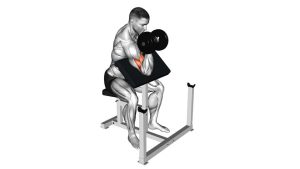
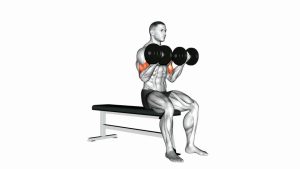
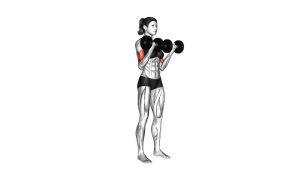
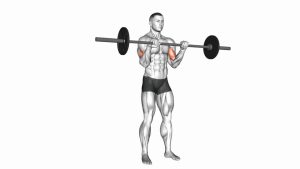
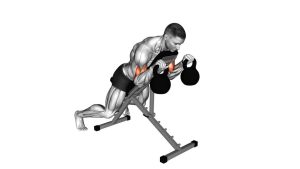
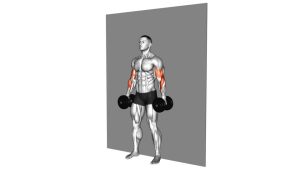
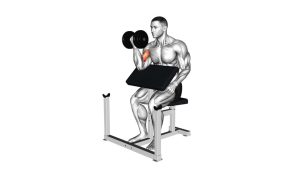
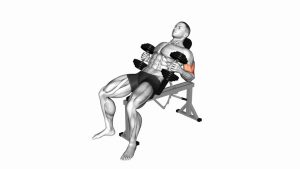
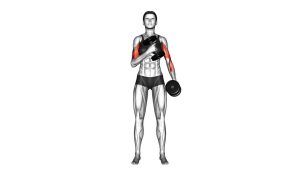
Dumbbell Prone Incline Hammer Curl: Form, Muscles Worked, Sets, Tips & FAQ
Learn how to do the Dumbbell Prone Incline Hammer Curl with strict form to build the brachialis, biceps, and forearms. Includes setup, execution, sets by goal, common mistakes, FAQs, and recommended equipment.
Dumbbell Prone Incline Hammer Curl
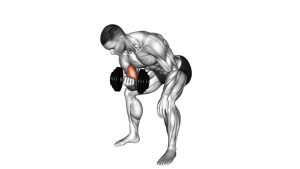
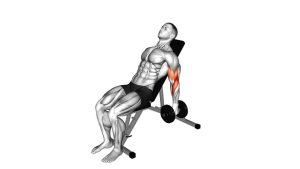
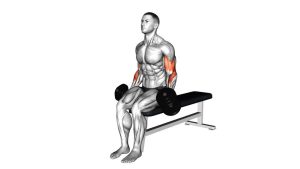
This curl variation is ideal for lifters who want a cleaner, more controlled hammer curl. The incline bench support limits cheating and helps you focus on elbow flexion without excessive shoulder movement. You should feel the working muscles through the front of the upper arm and upper forearm, especially during the middle and top of the curl.
Quick Overview
| Body Part | Biceps |
|---|---|
| Primary Muscle | Brachialis |
| Secondary Muscle | Biceps brachii, brachioradialis, forearms |
| Equipment | Dumbbells and an incline bench |
| Difficulty | Beginner to Intermediate |
Sets & Reps (By Goal)
- Muscle growth: 3–4 sets × 8–12 reps with 60–90 seconds rest
- Arm thickness / brachialis focus: 3–5 sets × 10–15 reps with controlled tempo
- Strength emphasis: 3–4 sets × 6–8 reps using strict form and slightly longer rest
- Finisher / pump work: 2–3 sets × 12–20 reps with lighter dumbbells
Progression rule: Increase the load only when you can keep your chest on the bench, maintain a neutral grip, and lower each rep under control without swinging.
Setup / Starting Position
- Set the bench: Adjust an incline bench to a moderate incline, usually around 30–45 degrees.
- Lie chest-down: Position your chest and upper torso firmly against the bench with your head neutral.
- Hold the dumbbells: Let your arms hang straight down with a neutral grip (palms facing each other).
- Stabilize the shoulders: Keep your shoulders down and back slightly without shrugging.
- Start fully stretched: Elbows should be extended at the bottom, but not aggressively locked out.
Tip: Keep your chest glued to the bench throughout the set to reduce momentum and improve isolation.
Execution (Step-by-Step)
- Begin from the hang: Start with both dumbbells hanging below your shoulders and your palms facing inward.
- Curl the weights up: Flex at the elbows and bring the dumbbells upward in a smooth arc while keeping the upper arms mostly still.
- Keep the grip neutral: Do not rotate the wrists; keep the palms facing each other through the rep.
- Squeeze near the top: Curl until you reach a strong contraction without forcing the shoulders forward.
- Lower slowly: Reverse the rep under control until the arms are fully lengthened again.
- Repeat evenly: Maintain the same tempo and range of motion for every rep.
Pro Tips & Common Mistakes
- Use full range: Let the arms extend fully at the bottom to train the muscles through a full stretch.
- Keep it strict: The bench support is there to remove cheating, so don’t rush the reps.
- Lead with the elbows bending: Avoid turning it into a front-delt movement by lifting the shoulders.
- Don’t rotate into a supinated curl: This is a hammer curl, so keep the wrists neutral.
- Control the eccentric: Lowering slowly usually improves muscle stimulus more than simply lifting fast.
- Avoid overloading too soon: Heavy dumbbells often shorten the range of motion and turn the movement sloppy.
FAQ
What muscles does the Dumbbell Prone Incline Hammer Curl work?
It mainly targets the brachialis, with strong assistance from the biceps brachii and brachioradialis. It is excellent for building overall arm thickness.
Why do this hammer curl on an incline bench?
The chest-supported position reduces body swing and momentum, which helps keep the tension on the working muscles instead of letting the torso or shoulders take over.
Should I curl both dumbbells together or one at a time?
Both work well. Curling both together is efficient, while alternating reps can help some lifters focus on control and reduce compensation.
How heavy should I go?
Choose a weight that allows you to complete every rep with a full stretch, controlled top position, and slow lowering. If you need to swing or lift your chest off the bench, go lighter.
Is this better than a standing hammer curl?
It is not necessarily better in every situation, but it is usually stricter. The incline-supported version limits momentum and often makes it easier to feel the target muscles working.
Recommended Equipment
- Adjustable Dumbbells — versatile for progressive overload and useful for nearly every dumbbell curl variation
- Adjustable Incline Weight Bench — essential for setting the proper chest-supported incline angle
- Lifting Straps — helpful if grip fatigue limits your arm work before the biceps do
- Weightlifting Gloves — optional for comfort and improved grip on dumbbells
- Foam Roller — useful for general upper-body recovery between training sessions
Tip: Your best investment for this exercise is a stable incline bench and a pair of dumbbells you can progress over time.