Kettlebell Incline Inner Biceps Curl: Form, Muscles Worked, Sets, Tips & FAQ
Learn the Kettlebell Incline Inner Biceps Curl with proper form, setup, sets and reps by goal, common mistakes, FAQs, and recommended Amazon equipment for stronger, fuller biceps.
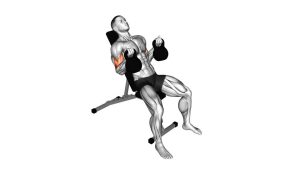
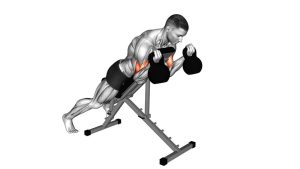
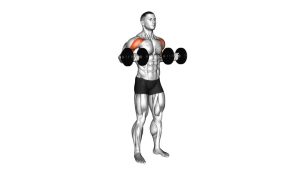
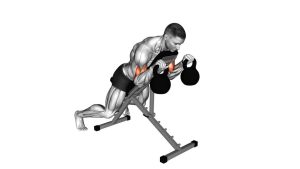
Kettlebell Incline Inner Biceps Curl
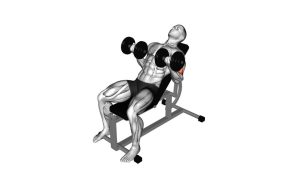
This movement works best when performed with a controlled tempo, a full stretch at the bottom, and minimal shoulder movement. The incline position reduces cheating and helps isolate elbow flexion, making it a strong choice for lifters who want better biceps development, stronger mind-muscle connection, and cleaner curl mechanics.
Quick Overview
| Body Part | Biceps |
|---|---|
| Primary Muscle | Biceps brachii (long head emphasis) |
| Secondary Muscle | Brachialis, brachioradialis, forearm stabilizers |
| Equipment | Incline bench and kettlebells |
| Difficulty | Beginner to Intermediate |
Sets & Reps (By Goal)
- Muscle growth: 3–4 sets × 8–12 reps with controlled eccentrics and 60–90 sec rest
- Strength-focused arm work: 4–5 sets × 6–8 reps with slightly heavier kettlebells and 90 sec rest
- Technique and mind-muscle connection: 2–3 sets × 10–15 reps using light weight and slow tempo
- Finisher / pump work: 2–3 sets × 12–15 reps with a hard squeeze at the top and short rest
Progression rule: Add reps before adding load. Keep the bottom stretch controlled and the elbows quiet. If you need to swing or lift the shoulders, the kettlebell is too heavy.
Setup / Starting Position
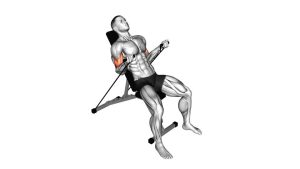
- Set the bench: Adjust an incline bench to roughly 45–60 degrees.
- Sit back fully: Keep your upper back and head supported against the pad.
- Hold the kettlebells: Let the kettlebells hang at your sides with your arms slightly behind your torso.
- Open the chest: Retract the shoulders lightly and keep them down.
- Start stretched: Elbows should be extended but not aggressively locked out.
Tip: A moderate incline usually feels best. If the bench is too upright, you lose some stretch. If it is too low, the shoulders may feel unstable.
Execution (Step-by-Step)
- Brace and stay pinned: Keep your torso still against the bench and your chest open.
- Begin the curl: Flex at the elbows and bring the kettlebells upward in a controlled arc.
- Keep elbows mostly fixed: Do not let them drift far forward as the weight rises.
- Squeeze at the top: Curl until the biceps are fully shortened and pause briefly.
- Lower slowly: Return the kettlebells under control until you reach a full stretch at the bottom.
- Repeat smoothly: Maintain the same path and tempo on every rep without swinging.
Pro Tips & Common Mistakes
- Use the stretch: Don’t rush the bottom. The incline setup is valuable because it lengthens the biceps under load.
- Don’t swing: Keep your back glued to the bench and avoid using momentum.
- Watch elbow drift: Letting the elbows come forward turns it into a less strict curl.
- Keep wrists neutral: Don’t overly bend the wrists to “help” the kettlebell up.
- Use moderate loads: This exercise rewards precision more than ego loading.
- Control the eccentric: Lowering slowly often creates the best biceps stimulus.
FAQ
What does the kettlebell incline inner biceps curl target?
It primarily targets the biceps brachii, especially the long head, while also involving the brachialis, brachioradialis, and grip stabilizers.
Why use an incline bench for this curl?
The incline bench places the arms slightly behind the body, which increases the stretch on the biceps and makes it harder to cheat the rep.
Are kettlebells better than dumbbells for incline curls?
Not always better, but different. Kettlebells create an offset load that can increase grip and stability demands, while dumbbells often feel more familiar and balanced.
How heavy should I go?
Choose a load that lets you keep your shoulders quiet, your elbows controlled, and your lowering phase smooth. If form breaks down early, go lighter.
Can beginners use this exercise?
Yes. Beginners can start with light kettlebells and focus on technique, range of motion, and consistent tempo before increasing the load.
Recommended Equipment
- Adjustable Weight Bench — essential for setting the correct incline angle and keeping the torso stable during strict curls
- Cast Iron Kettlebell — durable, compact, and ideal for consistent loading on incline biceps work
- Adjustable Kettlebell — useful if you want to progress weight without buying multiple separate kettlebells
- Wrist Wraps — can improve wrist comfort and support when heavier curls start stressing the joint position
- Resistance Band Set — great for warm-ups, activation work, and adding extra arm volume outside kettlebell curls
Tip: For most lifters, the best setup is a stable adjustable bench + 1–2 pairs of kettlebells. Add wraps only if your wrists need extra support.