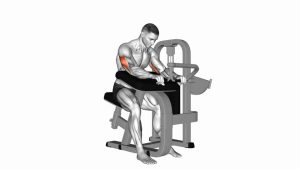
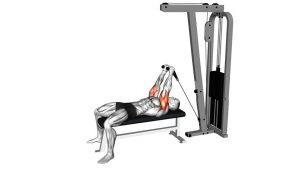
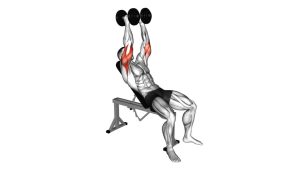
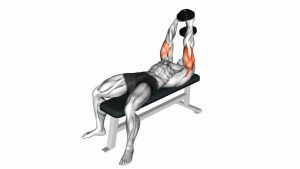
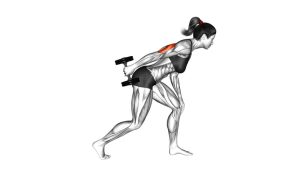
Lever Triceps Extension: Proper Form, Muscles Worked, Sets, Tips & FAQ
Learn how to perform the Lever Triceps Extension with proper machine setup, elbow positioning, and controlled reps. Includes muscles worked, sets by goal, common mistakes, FAQs, and recommended equipment.
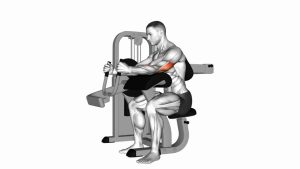
Lever Triceps Extension
This exercise is ideal for lifters who want to build triceps size, improve elbow extension strength, and add a joint-friendly machine movement to an upper-body or arm workout. The best reps come from strict elbow-driven motion, not from swinging the torso or letting the shoulders take over. Keep your tempo controlled and squeeze the triceps hard at the end of each repetition.
Quick Overview
| Body Part | Triceps |
|---|---|
| Primary Muscle | Triceps brachii |
| Secondary Muscle | Anconeus, forearm stabilizers, front delts (minimal stabilization) |
| Equipment | Lever triceps extension machine |
| Difficulty | Beginner to Intermediate |
Sets & Reps (By Goal)
- Muscle growth: 3–4 sets × 8–15 reps with 45–75 seconds rest
- Strength-focused accessory work: 3–5 sets × 6–10 reps with 75–120 seconds rest
- Technique / beginner practice: 2–3 sets × 10–15 reps with light-to-moderate load
- High-volume arm finisher: 2–3 sets × 12–20 reps with short rest and strict form
Progression rule: Add reps first, then increase the load slightly once you can complete all working sets with full control and a clean lockout.
Setup / Starting Position
- Adjust the machine: Set the seat so the handles line up comfortably with your hands and your elbows can move naturally through the machine’s arc.
- Sit tall: Place your back against the pad, keep your chest up, and plant your feet firmly on the floor.
- Grip the handles: Take a secure grip without bending the wrists backward.
- Set the elbows: Start with elbows bent and positioned so the triceps can drive the movement without shoulder shrugging.
- Brace lightly: Tighten your core just enough to keep the torso still throughout the set.
Tip: Before your first working set, do 1–2 lighter warm-up sets to find the seat position and machine path that feels most natural on your elbows.
Execution (Step-by-Step)
- Start under control: Begin with the handles at the bottom of the machine’s starting range and your elbows bent.
- Extend the elbows: Push the handles through the arc by straightening your arms without leaning your torso into the movement.
- Keep upper arms steady: Let the elbows act as the main hinge while the shoulders stay quiet and stable.
- Squeeze at the top: Reach near full extension and contract the triceps hard for a brief pause.
- Lower slowly: Return the handles under control until you feel a good triceps stretch, then begin the next rep without bouncing.
Pro Tips & Common Mistakes
- Use full control: The machine makes the path easier to follow, but the rep still needs a controlled eccentric.
- Do not slam lockout: Finish the rep with tension, not with an aggressive elbow snap.
- Keep wrists neutral: Bent wrists can make the set less comfortable and reduce force transfer.
- Avoid torso drive: Stay against the pad instead of rocking forward to move heavier weight.
- Watch elbow position: Excessive elbow flare can reduce isolation and make the set feel awkward.
- Train through a useful range: Lower until you feel a stretch in the triceps, but do not force a painful bottom position.
- Program it late in the workout: It works especially well after presses or compound upper-body work.
FAQ
What muscles does the lever triceps extension work?
The main target is the triceps brachii. Supporting muscles include the anconeus and small stabilizers in the forearms and shoulders, but this is primarily a triceps isolation exercise.
Is the lever triceps extension good for beginners?
Yes. The machine-guided path makes it easier to learn than many free-weight triceps movements, especially for lifters who want more stability and a simpler setup.
Should I lock out fully on every rep?
You can reach near full extension and squeeze the triceps hard, but avoid violently snapping the elbows into lockout. Controlled tension is the goal.
Where should I feel this exercise?
You should feel the effort mainly in the back of the upper arms. If you mostly feel the shoulders, wrists, or elbows, recheck your machine setup and reduce the load.
When should I use this in my workout?
It fits well after compound pressing movements, during an arm-focused session, or as a triceps hypertrophy accessory near the end of an upper-body workout.
Recommended Equipment
- Elbow Sleeves for Weightlifting — useful for warmth, compression, and added support during pressing and extension work
- Lifting Wrist Wraps — helpful if you want extra wrist stability while pushing through machine handles
- Resistance Band Set — great for triceps warm-ups, pushdowns, and blood-flow work before machine sets
- Workout Gloves for Weightlifting — can improve grip comfort on machine handles during higher-volume sessions
- Gym Log Book — useful for tracking weight, reps, and progression over time
Tip: Accessories should improve comfort and consistency, not replace good machine setup and controlled technique.