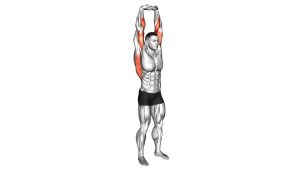
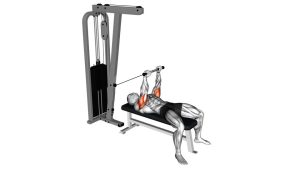
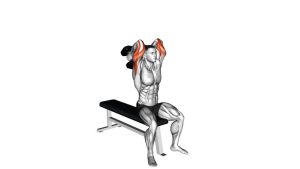
Lever Triceps Extension: Proper Form, Muscles Worked, Sets, Tips & FAQ
Learn how to perform the Lever Triceps Extension with proper form to build stronger, fuller triceps. Includes muscles worked, setup, step-by-step execution, sets by goal, common mistakes, FAQs, and recommended equipment.
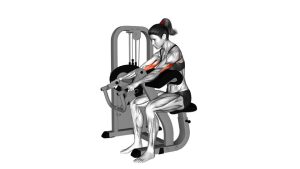
Lever Triceps Extension
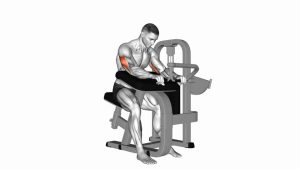
The Lever Triceps Extension is excellent for lifters who want to build arm size without relying on momentum-heavy free-weight movements. The machine support helps keep the torso stable and the elbows fixed, allowing the triceps to do most of the work. It fits well in hypertrophy-focused arm days, push workouts, or as a safer accessory after pressing exercises.
Quick Overview
| Body Part | Triceps |
|---|---|
| Primary Muscle | Triceps brachii |
| Secondary Muscle | Forearm stabilizers and shoulder stabilizers |
| Equipment | Lever triceps extension machine |
| Difficulty | Beginner to Intermediate |
Sets & Reps (By Goal)
- Muscle growth: 3–4 sets × 8–15 reps with 45–75 seconds rest
- Strength-focused machine work: 3–5 sets × 6–8 reps with 75–120 seconds rest
- Technique and control: 2–3 sets × 10–12 reps with slow eccentrics
- Finisher / pump work: 2–3 sets × 15–20 reps with short rest
Progression rule: Add reps first while keeping the same clean tempo and full control. Increase the load only when you can extend smoothly, maintain elbow position, and feel the triceps working through the full set.
Setup / Starting Position
- Adjust the machine: Set the seat and pad height so your elbows line up naturally with the machine’s pivot and your upper arms rest comfortably on the support pad.
- Sit tall: Keep your chest up, back supported if applicable, and feet planted firmly on the floor.
- Grip the handles: Use a firm but relaxed grip without over-bending the wrists.
- Anchor the upper arms: Position your elbows securely against the pad and keep them fixed throughout the rep.
- Start in the stretched position: Begin with elbows bent and the handles under control, ready to extend without bouncing.
Tip: Proper seat height matters. If the machine feels awkward at the shoulder or elbow, adjust your setup before adding more weight.
Execution (Step-by-Step)
- Brace and stay still: Keep your torso upright, shoulders down, and elbows planted on the pad.
- Extend the elbows: Press the handles through the working range by straightening your arms until you reach near full extension.
- Squeeze the triceps: Pause briefly at the bottom without violently snapping into lockout.
- Lower under control: Return the handles slowly as the elbows bend back to the starting position.
- Repeat smoothly: Perform each rep with the same tempo, keeping tension on the triceps instead of using momentum.
Pro Tips & Common Mistakes
- Keep elbows fixed: The cleaner your elbow path, the better the isolation on the triceps.
- Don’t rush the eccentric: A slower return increases time under tension and improves control.
- Avoid aggressive lockout: Extend fully, but do not slam the joint into the end range.
- Use a full working range: Partial reps often reduce the stretch and contraction that make this machine effective.
- Keep wrists neutral: Excessive wrist bending can reduce comfort and make force transfer less efficient.
- Don’t bounce from the bottom: Start each rep with muscular control, not stored momentum.
- Stay seated and stable: Leaning, shrugging, or twisting usually means the load is too heavy.
FAQ
What muscles does the Lever Triceps Extension work?
It primarily targets the triceps brachii, including the long, lateral, and medial heads. Forearm and shoulder stabilizers assist lightly, but the movement is mainly an elbow-extension isolation exercise.
Is the Lever Triceps Extension good for building bigger arms?
Yes. It is a strong hypertrophy option because the machine helps you keep steady tension on the triceps and reduces the need for balance compared with some free-weight variations.
Should I lock out fully on every rep?
You can reach near full extension and squeeze the triceps, but avoid snapping hard into lockout. Think controlled extension rather than joint jamming.
Where should I feel this exercise?
You should mainly feel it in the back of the upper arms. If you feel more joint stress than muscular tension, lower the weight and refine your machine setup and elbow position.
Can beginners use this machine?
Yes. Because the movement path is guided and the upper arms are supported, it is often beginner-friendly and useful for learning proper triceps isolation.
Recommended Equipment
- Triceps Rope Attachment — useful for cable triceps extensions, pushdowns, and other accessory arm work
- Elbow Sleeves for Training — can help keep elbows warm and more comfortable during pressing and extension work
- Resistance Bands Set — ideal for triceps warm-ups, burnout sets, and home-based arm training
- Adjustable Weight Bench — helpful for pairing this movement with skull crushers, presses, and other upper-body exercises
- Weightlifting Straps — optional for reducing grip fatigue during longer upper-body training sessions
Tip: The machine itself is the main tool for this exercise, so the best accessory choices are items that support elbow comfort, warm-up quality, and additional triceps training.