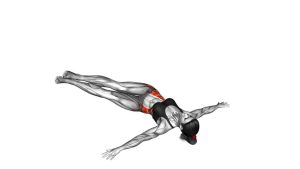
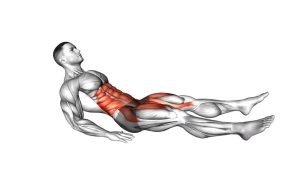
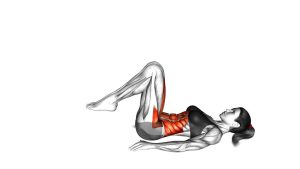
Hanging Pike Exercise: Proper Form, Core Benefits, Sets, Tips & FAQ
Learn how to perform the Hanging Pike exercise with strict form, strong core control, and safe progression. Includes setup, step-by-step execution, sets and reps by goal, common mistakes, FAQs, and recommended equipment.
Hanging Pike
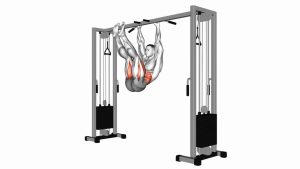
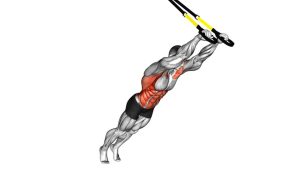
The Hanging Pike is most effective when every repetition looks controlled from start to finish. First, the body begins in a strong active hang. Then, the pelvis tucks slightly as the legs rise together. During the top position, the abs compress hard while the hips fold into a tight pike shape. Finally, the legs lower with control instead of dropping back into a swing.
Because this drill is demanding, it should not be rushed. A clean Hanging Pike builds the rectus abdominis, improves lower-ab strength, and teaches the body to resist momentum while hanging. In addition, it strengthens the grip, lats, hip flexors, and stabilizing muscles around the shoulders. Therefore, it fits very well into calisthenics, gymnastics-style core training, and advanced bodyweight workout routines.
Quick Overview
| Body Part | Core |
|---|---|
| Primary Muscle | Rectus abdominis, especially the lower-ab region |
| Secondary Muscle | Hip flexors, obliques, lats, forearms, grip muscles, and shoulder stabilizers |
| Equipment | Pull-up bar or captain’s chair-style hanging station |
| Difficulty | Advanced |
Sets & Reps (By Goal)
- Core strength: 3–5 sets of 4–8 strict reps with 90–150 seconds of rest.
- Muscle control: 3–4 sets of 5–10 reps using a slow 2–3 second lowering phase.
- Calisthenics skill work: 4–6 sets of 3–6 high-quality reps before fatigue affects form.
- Core endurance: 2–4 sets of 8–12 controlled reps, but only if swinging stays minimal.
- Progression practice: 3 sets of 3–5 reps, paired with hanging knee raises or toes-to-bar progressions.
Progression rule: Increase range of motion before increasing repetitions. After that, slow the lowering phase. Only add more volume when each rep starts and finishes without swinging.
Setup / Starting Position
- Grip the bar securely: Place your hands slightly wider than shoulder-width. Use a full grip around the bar so the thumbs wrap firmly.
- Start in an active hang: Let the arms stay straight, but gently pull the shoulders down away from the ears. This creates stability before the legs move.
- Keep the body long: Bring the legs together, point the toes slightly, and avoid bending the knees unless you are using a regression.
- Brace the core: Exhale lightly, tighten the abs, and prepare to tuck the pelvis before the legs rise.
- Remove momentum: Wait until the body is still. A clean start makes the full rep much safer and more effective.
If the full hang feels unstable, practice active hangs and hanging knee raises first. This builds the grip and shoulder control needed for strict Hanging Pike reps.
Execution (Step-by-Step)
- Begin from a quiet hang: Hold the bar, straighten the legs, and let the body settle before the first rep.
- Tuck the pelvis slightly: Start the movement by drawing the lower abs inward and tilting the pelvis back. This helps the core lead the lift.
- Raise both legs together: Keep the knees straight as the legs travel upward. Move smoothly instead of kicking.
- Compress into the pike: Bring the feet high toward the bar or toward the upper torso, depending on your mobility and strength.
- Hold the top briefly: Pause for a moment while keeping the shoulders stable and the abs fully engaged.
- Lower with control: Slowly return the legs to the starting position. Do not let gravity pull you into a swing.
- Reset before the next rep: Once the body is still, begin the next repetition with the same strict pattern.
Pro Tips & Common Mistakes
Pro Tips
- Lead with the pelvis: A small posterior pelvic tilt helps the abs engage before the hip flexors dominate.
- Control the bottom position: The rep is not finished until the legs return without a swing.
- Use a slow lowering phase: The eccentric portion builds serious core strength when performed with patience.
- Keep the arms long: Avoid bending the elbows or pulling yourself up unless you are doing a different variation.
- Exhale during the lift: A controlled exhale helps the ribs stay down and improves abdominal compression.
Common Mistakes
- Swinging the legs: Momentum reduces core work and increases stress on the shoulders.
- Dropping from the top: A fast descent usually causes the next rep to become sloppy.
- Bending the knees too early: Slight knee softness is acceptable, but excessive bending changes the exercise into a knee raise.
- Relaxing the shoulders: Passive hanging during hard reps can irritate the shoulders.
- Overarching the lower back: Keep the ribs down and the pelvis controlled to protect the spine.
FAQ
What muscles does the Hanging Pike work?
The Hanging Pike primarily targets the rectus abdominis, especially during the compression and lowering phases. It also works the hip flexors, obliques, lats, forearms, grip muscles, and shoulder stabilizers.
Is the Hanging Pike good for lower abs?
Yes. The lower-ab region works hard to control pelvic position as the legs rise. However, the exercise also requires strong hip flexors, so the best results come from strict form and slow tempo.
Is the Hanging Pike beginner-friendly?
No. This exercise is usually advanced because it requires grip strength, shoulder stability, hamstring mobility, and strong abdominal compression. Beginners should start with hanging knee raises, lying leg raises, or captain’s chair knee raises.
Why do I swing during Hanging Pikes?
Swinging usually happens when the legs kick upward too quickly or when the descent is uncontrolled. To fix it, pause at the bottom, lift slower, and lower the legs with more tension.
How high should I lift my legs?
Lift as high as you can while keeping the legs controlled and the torso stable. Ideally, advanced athletes bring the feet close to the bar. Still, clean range is more important than maximum height.
Can Hanging Pikes help with toes-to-bar?
Yes. Hanging Pikes build the compression strength and body control needed for strict toes-to-bar reps. They also teach better pelvic control, which is essential for advanced hanging core movements.
Recommended Equipment
- Pull-Up Bar — the main tool for practicing strict Hanging Pikes at home or in a gym.
- Hanging Ab Straps — helpful for reducing grip fatigue while focusing on core compression.
- Gymnastics Grips — useful for protecting the hands during high-volume hanging core training.
- Resistance Bands Set — can support progression work, mobility drills, and assisted core variations.
- Exercise Mat — ideal for warm-up drills such as hollow holds, lying leg raises, and compression work.
Choose stable equipment before adding intensity. A secure pull-up bar, strong grip, and controlled tempo matter more than doing many fast repetitions.