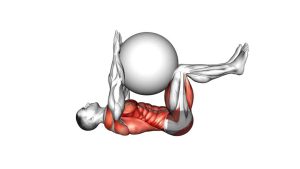
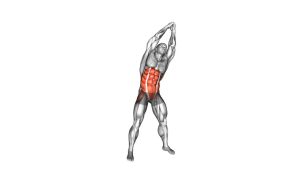
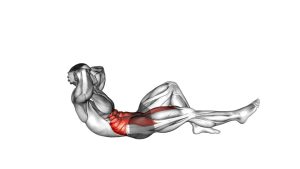
Stability Ball Crunch: Full Range Form, Benefits, Sets, Tips & FAQ
Learn the Stability Ball Crunch for stronger abs, better core control, and full-range spinal flexion with setup, reps, form tips, FAQs, and gear.
Stability Ball Crunch (Full Range, Hands Behind Head)
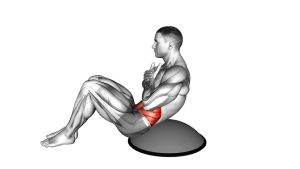
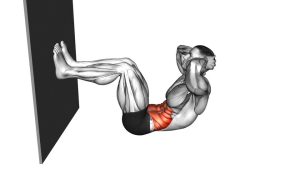
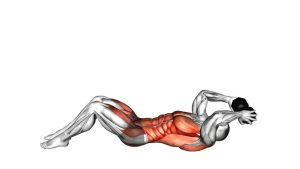
This variation works best when every rep stays smooth, controlled, and deliberate. The hands remain behind the head only for light support, not pulling. During the bottom position, the abs lengthen over the stability ball. During the top position, the abdominal wall shortens as the upper spine curls forward. A clean rep should feel like a strong abdominal contraction, not neck strain, hip thrusting, or momentum.
Quick Overview
| Body Part | Core |
|---|---|
| Primary Muscle | Rectus abdominis |
| Secondary Muscle | Obliques, transverse abdominis, hip stabilizers |
| Equipment | Stability ball / Swiss ball / exercise ball |
| Difficulty | Beginner to intermediate, depending on range of motion and tempo |
Sets & Reps (By Goal)
- Core activation: 2–3 sets × 10–12 reps with a slow, clean tempo.
- Muscle growth: 3–4 sets × 12–20 reps with a firm squeeze at the top.
- Beginner control: 2 sets × 8–10 reps using a short, comfortable range.
- Endurance finisher: 2–3 sets × 20–25 reps while avoiding bouncing.
- Warm-up use: 1–2 light sets × 10–15 reps before larger core or strength work.
Progression rule: Improve control first. Add reps, longer pauses, or a slower lowering phase before increasing difficulty.
Setup / Starting Position
- Choose the right ball size: Sit on the ball with feet flat and knees bent around 90 degrees.
- Walk the feet forward: Let the ball roll under your lower and mid back until your torso can extend over it comfortably.
- Plant the feet firmly: Keep them about hip-width to shoulder-width apart for balance.
- Place hands behind the head: Support the head lightly without interlocking tension or pulling the neck.
- Open the elbows: Keep elbows wide enough to avoid collapsing the chest.
- Brace gently: Let the ribs settle down and prepare to curl from the upper torso.
- Find the stretch: Allow the abs to lengthen over the ball without losing control through the lower back.
The ball should feel stable under your back. If you feel like you are sliding, widen your stance and reduce the range.
Execution (Step-by-Step)
- Start in the stretched position: Let your upper back extend over the ball while keeping your hips steady.
- Exhale before curling: Begin with a controlled breath out to help the ribs move toward the pelvis.
- Curl the upper torso: Lift your head, shoulders, and upper back as one unit without pulling with your hands.
- Shorten the abs: Focus on folding through the abdominal wall rather than sitting fully upright.
- Pause at the top: Hold for a brief moment and squeeze the abs without rounding aggressively through the neck.
- Lower with control: Return slowly over the ball and let the abs lengthen again.
- Reset before the next rep: Keep the feet grounded, hips quiet, and tempo consistent.
Pro Tips & Common Mistakes
Pro Tips
- Use the ball for range, not momentum: Let it create a deeper stretch, but avoid bouncing out of the bottom.
- Keep the hips stable: The pelvis should not thrust upward during the crunch.
- Think ribs to pelvis: This cue keeps the movement focused on spinal flexion and abdominal contraction.
- Support the head lightly: Your hands are only a cradle, not a lever.
- Control the lowering phase: The eccentric portion builds control and improves tension.
- Use a small pause: A one-second squeeze at the top makes the exercise more effective without adding load.
Common Mistakes
- Pulling on the neck: This shifts stress away from the abs and may irritate the cervical spine.
- Turning it into a sit-up: Coming too high can reduce abdominal tension and involve the hip flexors more.
- Bouncing on the ball: Momentum makes the movement easier and less precise.
- Letting the feet move: Unstable feet reduce balance and control.
- Overextending at the bottom: A mild stretch is useful, but sagging too far may bother the lower back.
- Rushing the reps: Fast reps usually reduce core tension and increase compensation.
FAQ
What muscles does the stability ball crunch work?
The main target is the rectus abdominis, which flexes the spine and creates the visible “six-pack” area. The obliques and deeper core muscles also help stabilize the torso while you balance on the ball.
Is the stability ball crunch better than a floor crunch?
It can be more effective for some people because the ball allows a larger stretch at the bottom. That extra range can increase abdominal tension when the movement is controlled. However, floor crunches may be better for beginners who need more stability.
Should I pull my head with my hands?
No. Your hands should support the head lightly. Pulling on the head can strain the neck and reduce abdominal focus. Keep the elbows open and let the abs perform the lift.
How high should I crunch?
Curl up until you feel a strong abdominal contraction, then stop before the movement becomes a full sit-up. The goal is controlled spinal flexion, not maximum height.
Can beginners do this exercise?
Yes, but beginners should use a small range of motion and a stable foot position. Start with slow reps and avoid dropping too far back over the ball.
Why do I feel this in my neck?
Neck tension usually happens when the hands pull the head forward or when the chin is forced down. Lighten your grip, keep the chin neutral, and focus on lifting through the ribs.
Can I make the stability ball crunch harder?
Yes. Slow the lowering phase, pause longer at the top, extend the arms overhead, or hold a light weight once your form is consistent. Avoid adding difficulty until you can control every rep without bouncing.
Recommended Equipment
- Anti-Burst Stability Ball — the main tool for performing full-range stability ball crunches safely and comfortably.
- Stability Ball Pump — keeps the ball firm enough for proper support and balanced movement.
- Non-Slip Exercise Mat — improves foot grip and protects the floor during core training.
- Stability Ball Base Ring — useful for beginners who need extra ball control while learning the movement.
- Light Medicine Ball — optional progression tool for advanced users who already have clean crunch form.
Choose equipment that helps you control the movement. A properly inflated ball and stable floor setup matter more than extra resistance.