Starfish Crunch Exercise: Beginner Core Form, Benefits, Sets & Tips
Learn the Starfish Crunch for beginner-friendly abs and oblique training. Includes setup, step-by-step form, sets, mistakes, FAQs, and equipment.
Starfish Crunch
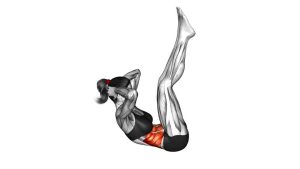
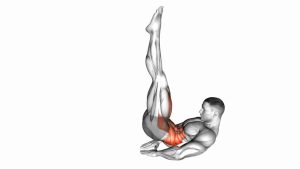
The Starfish Crunch is useful for beginners because it teaches the core to flex, rotate, and coordinate the upper and lower body at the same time. Each repetition starts from a wide “X” position on the floor. From there, one straight leg rises while the opposite arm reaches across the body. This creates a diagonal crunch pattern that challenges the abs without needing machines, cables, or weights.
This exercise works best when every repetition is controlled. Keep the leg long, lift the shoulder blades from the floor, and reach across the body without pulling the neck forward. The movement should feel active through the front and sides of the waist. It should not feel like a strained neck, a swinging leg raise, or a rushed sit-up.
Quick Overview
| Body Part | Core |
|---|---|
| Primary Muscle | Rectus abdominis |
| Secondary Muscle | Obliques, hip flexors, transverse abdominis, deep core stabilizers |
| Equipment | No equipment required; exercise mat optional |
| Difficulty | Beginner |
Sets & Reps (By Goal)
- Beginner core control: 2–3 sets × 6–8 reps per side with slow, clean form.
- General ab training: 3–4 sets × 8–12 reps per side with 45–60 seconds rest.
- Oblique focus: 3 sets × 10–15 alternating reps, reaching clearly across the body.
- Home workout finisher: 2–3 rounds × 30–40 seconds of controlled alternating reps.
- Core endurance: 3 rounds × 12–16 total reps while keeping the lower back stable.
Progression rule: First improve control and range of motion. After that, add reps, slower tempo, longer pauses at the top, or a light ankle weight only if your lower back stays comfortable.
Setup / Starting Position
- Lie on your back: Place your body flat on an exercise mat with your head, upper back, hips, and legs supported by the floor.
- Create the starfish shape: Extend both arms overhead and slightly out to the sides. Open both legs wider than hip-width so your body forms an “X.”
- Set your spine: Keep the ribs controlled and avoid a big arch in the lower back. A small natural curve is fine, but the trunk should feel stable.
- Relax your neck: Keep your chin slightly tucked and your jaw relaxed. Do not prepare by pulling your head forward.
- Brace lightly: Exhale gently and create light abdominal tension before the first rep. This helps the leg lift without yanking the pelvis.
Start with a smaller arm-to-leg reach if your hamstrings, hips, or lower back feel tight. The exercise should be challenging, but it should remain controlled.
Execution (Step-by-Step)
- Begin from the starfish position: Keep both arms and both legs long. Your body should look wide, open, and stable before the crunch starts.
- Lift one leg: Raise one leg toward the ceiling while keeping it as straight as your mobility allows. Avoid swinging it upward.
- Reach with the opposite arm: At the same time, lift the opposite shoulder blade from the floor and reach your hand toward the raised foot, ankle, or shin.
- Crunch diagonally: Let your abs and obliques create the lift. Rotate slightly across the body without twisting aggressively.
- Pause briefly: Hold the top position for a short moment. Keep the movement controlled instead of bouncing into the reach.
- Lower with control: Return the arm, shoulder, and leg to the starting position at the same time. Do not drop the leg quickly.
- Switch sides: Repeat the same pattern with the other leg and opposite arm. Alternate sides until the set is complete.
Pro Tips & Common Mistakes
Pro Tips
- Exhale as you crunch: Breathing out during the reach helps the ribs come down and makes the abs engage more naturally.
- Keep the leg long: A straighter leg increases the challenge, but only use the range you can control.
- Reach across, not straight up: The diagonal line is what makes this exercise useful for oblique training and coordination.
- Control the lowering phase: The return to the floor is just as important as the lift. Lower slowly to build better core tension.
- Use a soft mat: A mat helps reduce pressure on the spine, shoulders, and hips during repeated floor reps.
Common Mistakes
- Pulling the neck: Avoid leading with the head. Lift through the ribs and shoulders instead.
- Swinging the leg: Momentum reduces abdominal work. Lift the leg smoothly.
- Rushing side to side: Fast reps often become sloppy. Slow alternating reps are better.
- Arching the lower back: Keep the trunk stable as the leg rises and lowers.
- Overreaching: You do not need to touch the foot. Reaching toward the shin or ankle is enough.
FAQ
What muscles does the Starfish Crunch work?
The Starfish Crunch mainly works the rectus abdominis. It also trains the obliques, hip flexors, and deep core stabilizers because the movement uses a cross-body reach with one leg lifted.
Is the Starfish Crunch good for beginners?
Yes. It is beginner-friendly because it uses body weight and does not require equipment. Beginners should start with a smaller reach, slower tempo, and fewer reps per side.
Do I need to touch my foot every rep?
No. Touching the foot is not required. Reaching toward the shin, ankle, or foot is enough if your abs are working and your movement stays controlled.
Why do I feel this in my hip flexors?
Some hip flexor involvement is normal because one leg lifts during each rep. However, if your hip flexors dominate, slow down, reduce the leg height, and focus on curling the ribs toward the opposite hip.
Can the Starfish Crunch help with obliques?
Yes. The diagonal reach trains the obliques because your torso rotates slightly across the body. For better oblique activation, keep the movement controlled and avoid using momentum.
How can I make the Starfish Crunch easier?
Bend the working knee slightly, reach toward the knee instead of the foot, or perform fewer reps. You can also keep the non-working arm closer to your body for more control.
How can I make the Starfish Crunch harder?
Use a slower tempo, pause at the top, increase reps, or add light ankle weights. Only progress when your lower back stays stable and your neck remains relaxed.
Recommended Equipment
- Exercise Mat — provides comfort and support for floor-based core exercises.
- Thick Yoga Mat — helpful if your spine, hips, or shoulders feel pressure on hard floors.
- Light Ankle Weights — optional progression for stronger users who can control the leg lift.
- Core Sliders — useful for other bodyweight ab progressions and home core workouts.
- Pilates Small Ball — can support beginner core drills and controlled ab-training variations.
Tip: Equipment is optional for the Starfish Crunch. Start with body weight first, then add tools only when your reps stay smooth, balanced, and pain-free.