Captain’s Chair Straight Leg Raise: Form, Core Benefits, Sets, Tips & FAQ
Learn the Captain’s Chair Straight Leg Raise for stronger abs and hip flexors with strict form, controlled reps, setup tips, mistakes, FAQs, and gear.
Captain’s Chair Straight Leg Raise
This movement is most effective when it is performed with slow control rather than momentum. The goal is to lift the legs smoothly, pause near the top, and lower them without dropping or swinging. Therefore, the torso should stay supported, the shoulders should remain steady, and the legs should move as one controlled unit.
Quick Overview
| Body Part | Abs |
|---|---|
| Primary Muscle | Rectus abdominis, especially lower-ab focused trunk control |
| Secondary Muscle | Hip flexors, obliques, transverse abdominis, forearm and shoulder stabilizers |
| Equipment | Captain’s chair, vertical knee raise station, or power tower with forearm pads |
| Difficulty | Intermediate because the straight-leg position increases leverage and core demand |
Sets & Reps (By Goal)
- Core strength: 3–4 sets × 6–10 controlled reps, resting 60–90 seconds between sets.
- Muscle endurance: 2–3 sets × 10–15 reps with a smooth tempo and no swinging.
- Beginner progression: 2–3 sets × 5–8 partial-range reps or bent-knee raises first.
- Strict form practice: 3 sets × 6–8 reps with a 1-second pause at the top.
Progression rule: First improve control, then add reps. After that, increase range of motion or add a slower lowering phase.
Setup / Starting Position
- Step into the station: Position your back against the vertical pad and place both forearms on the arm pads.
- Grip the handles: Hold the handles firmly so your upper body stays steady during the raise.
- Set your shoulders: Keep the shoulders down and stable instead of shrugging toward the ears.
- Start with straight legs: Let both legs hang downward with the knees extended and the feet together.
- Brace your core: Before lifting, tighten the midsection lightly so the lower back does not overarch.
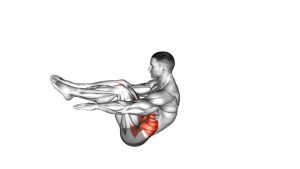
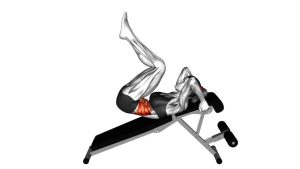
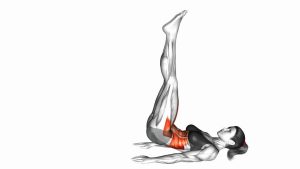
In the video, the body stays supported by the pads while the legs move forward and upward. This stable setup helps reduce swinging.
Execution (Step-by-Step)
- Begin from a still position: Let the legs hang straight down, then pause briefly before the first rep.
- Lift both legs together: Raise the legs forward by flexing at the hips while keeping the knees straight.
- Control the middle range: Continue lifting smoothly without leaning back, kicking, or bouncing.
- Reach the top position: Bring the legs close to parallel with the floor, then pause briefly while keeping the torso stable.
- Lower slowly: Return the legs downward under control until they reach the starting position again.
- Reset before repeating: Remove any swing before starting the next rep so every repetition stays strict.
Pro Tips & Common Mistakes
- Keep the legs straight: The video shows a straight-leg version, so avoid turning it into a knee raise unless you are modifying.
- Do not use momentum: Swinging makes the movement easier, but it reduces abdominal control.
- Lower with control: The descent should be smooth because the lowering phase trains strong core stability.
- Keep your back supported: Press gently into the back pad instead of arching away from it.
- Pause at the top: A short hold helps prevent bouncing and confirms that you own the range.
- Avoid shoulder shrugging: Keep the upper body quiet so the core and hip flexors do the work.
- Use a smaller range if needed: If full height causes low-back strain, lift only as high as you can control.
FAQ
What muscles does the Captain’s Chair Straight Leg Raise work?
It mainly trains the rectus abdominis and hip flexors. In addition, the obliques and deep core muscles help stabilize the pelvis and reduce swinging.
Is this exercise for lower abs?
It is commonly used for lower-ab focused training because the legs move from below the body to hip height. However, the rectus abdominis works as one muscle, while the hip flexors also contribute strongly.
Should my knees stay straight?
Yes, for this specific version. The uploaded video shows the knees staying extended throughout the repetition. However, a bent-knee raise is a useful regression if the straight-leg version is too hard.
How high should I raise my legs?
Raise your legs as high as you can while keeping control. In the video, the legs lift to around parallel with the floor before lowering smoothly.
Why do I feel this in my hip flexors?
Feeling the hip flexors is normal because the movement requires hip flexion. Still, your abs should help control the pelvis and prevent the lower back from arching excessively.
How can I make it easier?
Bend your knees, reduce the lifting height, or perform fewer reps. Also, pause at the bottom before each rep so you do not rely on momentum.
Recommended Equipment
- Captain’s Chair Power Tower — main station for straight leg raises, knee raises, dips, and bodyweight core training
- Vertical Knee Raise Station — compact option with forearm pads and back support for controlled leg raises
- Ab Straps for Pull-Up Bar — useful alternative for supported hanging leg raise variations
- Exercise Mat — helpful for floor-based core regressions such as lying leg raises
- Adjustable Ankle Weights — optional advanced progression only after strict bodyweight reps are controlled
Tip: Master clean bodyweight reps before adding load. For this exercise, strict control is more valuable than extra resistance.