Plank Jack: Form, Core Benefits, Sets, Tips & FAQ
Learn the Plank Jack for core stability, cardio conditioning, and full-body control. Includes proper form, sets, common mistakes, FAQs, and equipment
Plank Jack
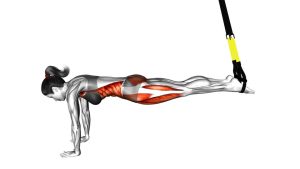
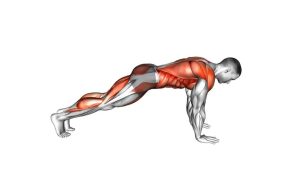
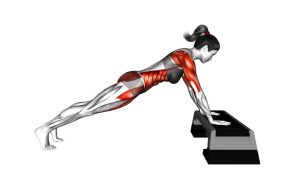
This exercise works best when the upper body stays quiet and the lower body moves with control. Although the feet jump quickly, the hands, shoulders, ribs, and pelvis should remain stable. In the uploaded video, the movement starts from a high plank with the feet close together. Then, the feet jump outward and return inward while the arms stay straight and the core remains active.
Quick Overview
| Body Part | Core |
|---|---|
| Primary Muscle | Rectus abdominis, transverse abdominis, and obliques |
| Secondary Muscle | Shoulders, chest, hip abductors, glutes, quads, calves, and lower-back stabilizers |
| Equipment | No equipment required; optional exercise mat |
| Difficulty | Intermediate because it combines plank stability with fast lower-body movement |
Sets & Reps (By Goal)
- Core endurance: 3–4 sets × 20–30 seconds, resting 45–75 seconds between sets.
- Cardio conditioning: 4–6 rounds × 30–45 seconds, resting 30–60 seconds between rounds.
- Beginner control: 2–3 sets × 8–12 slow reps per side movement pattern, stepping instead of jumping if needed.
- HIIT finisher: 4–8 rounds × 20 seconds work / 10 seconds rest, only if form stays clean.
Progression rule: First improve control, then increase time. Additionally, keep the hips level before adding speed.
Setup / Starting Position
- Start in a high plank: Place your hands under your shoulders with your arms fully extended.
- Set your feet close together: Keep the legs straight and the toes planted before starting the jump.
- Brace your core: Pull the ribs down slightly and tighten the abs as if preparing for impact.
- Keep a long body line: Maintain a straight line from head to heels without dropping the hips.
- Set your gaze: Look down toward the floor so the neck stays neutral.
Tip: If your wrists feel overloaded, spread your fingers, press evenly through the palms, and keep the shoulders stacked over the hands.
Execution (Step-by-Step)
- Hold the plank: Begin with feet together, arms straight, shoulders stable, and core tight.
- Jump the feet outward: Move both feet apart at the same time, similar to the lower-body action of a jumping jack.
- Control the hips: Allow only a small natural shift, but do not let the hips sag, twist, or bounce excessively.
- Jump the feet back together: Return to the starting plank position with the legs extended and feet close.
- Repeat smoothly: Continue the out-and-in rhythm while keeping your upper body strong and steady.
Pro Tips & Common Mistakes
- Keep the shoulders stacked: Do not let your body drift behind or far in front of your hands.
- Avoid hip sagging: If your lower back arches, shorten the set or slow the movement.
- Control the hip lift: A slight lift may happen during the jump, but excessive piking reduces core tension.
- Land softly: Instead of slamming the feet, use controlled, light landings.
- Do not rush poor reps: Speed helps conditioning only when the plank position stays strong.
- Modify when needed: Step one foot out at a time if jumping causes pain or loss of alignment.
FAQ
What muscles do plank jacks work?
Plank jacks mainly work the core, especially the abs and obliques. However, they also train the shoulders, chest, glutes, hip abductors, quads, calves, and stabilizing muscles because the body must hold a plank while the legs move.
Are plank jacks good for abs?
Yes. Plank jacks are effective for abs because the core must resist sagging, twisting, and bouncing during every jump. Additionally, the dynamic foot movement increases intensity compared with a regular plank.
Should beginners do plank jacks?
Beginners can use a modified version by stepping one foot out at a time instead of jumping. Once the plank stays stable, they can progress to small jumps and then to faster reps.
Why do my hips rise during plank jacks?
A small hip rise can happen during the jump phase. However, if the hips lift too high, it usually means the core is losing tension or the reps are too fast. Slow down and focus on keeping the body closer to a straight plank line.
How long should I do plank jacks?
Most people can start with 20–30 seconds per set. For conditioning, 30–45 seconds works well if your form stays controlled. However, stop the set early if the lower back starts to sag.
Recommended Equipment (Optional)
- Exercise Mat — adds comfort for hands and helps reduce floor impact during plank work
- Fitness Wrist Wraps — useful if your wrists need extra support during high plank exercises
- Exercise Sliders — allow a lower-impact sliding plank jack variation on smooth floors
- Non-Slip Training Shoes — improve traction and foot control during repeated outward and inward jumps
- Fitness Interval Timer — helpful for timed plank jack sets, HIIT rounds, and cardio circuits
Tip: Choose equipment that improves control rather than making the exercise harder too soon. Better stability usually produces better reps.