Dumbbell Overhead Sit-Up: Proper Form, Core Benefits, Sets & Tips
Learn the Dumbbell Overhead Sit-Up for stronger abs, better core control, and loaded sit-up strength with setup, steps, mistakes, FAQs, and gear.
Dumbbell Overhead Sit-Up
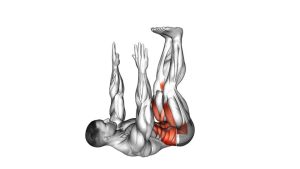
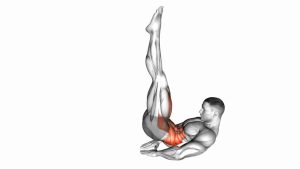
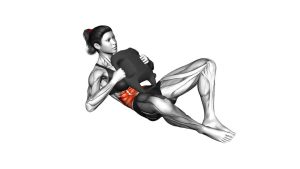
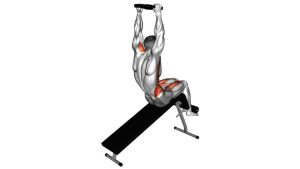
This exercise works best when the dumbbell stays controlled and the torso moves smoothly through each rep. Because the weight is held above the upper body, your abs must work harder than they would during a regular bodyweight sit-up. However, the movement should still feel clean, steady, and deliberate. Therefore, choose a light-to-moderate dumbbell before increasing the load.
Quick Overview
| Body Part | Abs |
|---|---|
| Primary Muscle | Rectus abdominis |
| Secondary Muscle | Hip flexors, obliques, transverse abdominis, shoulders, serratus anterior |
| Equipment | Dumbbell and exercise mat |
| Difficulty | Intermediate because the overhead load increases core and shoulder control demands |
Sets & Reps (By Goal)
- Core strength: 3–4 sets × 6–10 reps with a controlled tempo and 60–90 seconds rest
- Muscle endurance: 2–3 sets × 10–15 reps using a lighter dumbbell and smooth breathing
- Technique practice: 2–3 sets × 5–8 reps while focusing on a slow rise and a controlled descent
- Conditioning finisher: 2–3 rounds × 20–30 seconds with a light dumbbell and strict form
Progression rule: First increase control, then reps, and finally load. If the dumbbell starts swinging or the feet lift off the floor, the weight is too heavy.
Setup / Starting Position
- Lie on your back: Bend your knees and place your feet flat on the floor.
- Hold the dumbbell securely: Grip one dumbbell with both hands above your chest.
- Set your arms: Keep the arms mostly extended without locking the elbows aggressively.
- Brace your core: Lightly tighten your abs before the torso leaves the floor.
- Keep the movement organized: Start with the head, shoulders, and upper back relaxed on the mat.
Tip: Use a mat for comfort and choose a dumbbell you can control without bending the arms, rushing the sit-up, or losing balance at the top.
Execution (Step-by-Step)
- Begin from the floor: Keep the dumbbell above your chest and your feet planted.
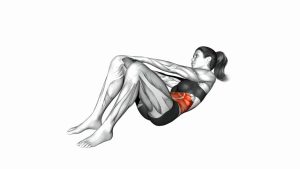
- Curl upward: Lift your head, shoulders, and upper back as your abs start the sit-up.
- Continue rising: Bring your torso upward while keeping the dumbbell controlled instead of swinging it forward.
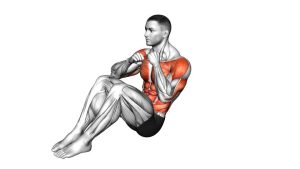
- Reach the top: Finish in a seated position with the dumbbell held overhead and your core still braced.
- Lower with control: Roll the torso back down slowly until your shoulders return to the floor.
- Reset before the next rep: Keep the dumbbell steady, breathe, and repeat without bouncing.
Pro Tips & Common Mistakes
- Use a lighter dumbbell first: This exercise becomes harder quickly because the load stays far from the trunk.
- Keep the feet grounded: If your feet lift, reduce weight or slow the ascent.
- Avoid yanking the dumbbell forward: The abs should lift the torso, not momentum from the arms.
- Control the descent: Lowering slowly builds more useful core strength than dropping back to the floor.
- Do not overarch at the top: Finish tall enough to control the dumbbell, but keep the ribs from flaring excessively.
- Keep the shoulders active: Reach the dumbbell upward without shrugging hard or losing control.
- Breathe through the rep: Exhale as you rise, then inhale as you lower back down.
FAQ
Is the Dumbbell Overhead Sit-Up good for abs?
Yes. It strongly challenges the rectus abdominis because the torso must rise against both bodyweight and the added dumbbell load. Additionally, the overhead position increases the need for core control.
Is this exercise better than a regular sit-up?
It is not automatically better, but it is more challenging. A regular sit-up is better for learning control, while the dumbbell overhead version is better once you can already perform clean sit-ups without momentum.
What weight should I use for Dumbbell Overhead Sit-Ups?
Start light. The correct weight allows you to keep the dumbbell steady, rise without swinging, and lower without collapsing. For many people, a light dumbbell is enough at first.
Why do my hip flexors feel this exercise?
Hip flexors assist during full sit-up movements, especially near the top. However, if they dominate the exercise, slow down, brace harder, and use a lighter dumbbell.
Who should avoid Dumbbell Overhead Sit-Ups?
Anyone with shoulder pain, uncontrolled lower-back discomfort, or difficulty performing basic sit-ups should avoid this variation until they build enough strength and control with easier core exercises.
Recommended Equipment
- Hex Dumbbell — a stable, easy-to-grip option for loaded sit-ups and core training
- Adjustable Dumbbell — useful for progressing the exercise gradually without buying multiple weights
- Thick Exercise Mat — protects the spine and improves comfort during floor-based sit-up work
- Non-Slip Yoga Mat — helps keep your body stable while rising and lowering under control
- Ab Workout Floor Mat — provides extra cushioning for repeated core training sessions
Tip: The best equipment setup is simple: one controlled dumbbell and a comfortable mat. More weight is only useful when every rep stays smooth.