Standing Ab Twist: Core Rotation Form, Sets, Tips & FAQ
Learn the Standing Ab Twist for oblique activation, core control, and rotational stability with step-by-step form, sets, tips, FAQs, and equipment.
Standing Ab Twist
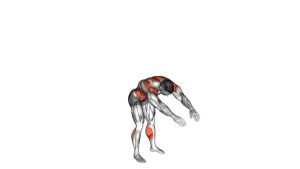
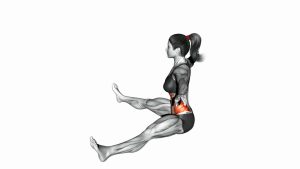
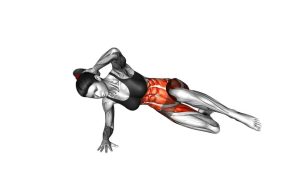
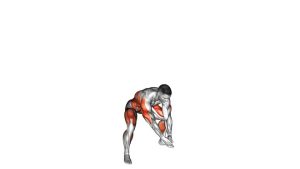
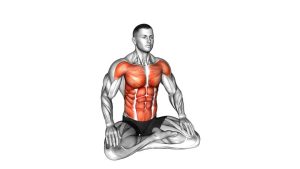
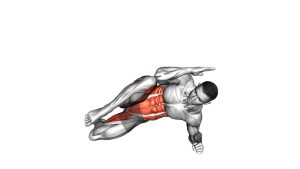
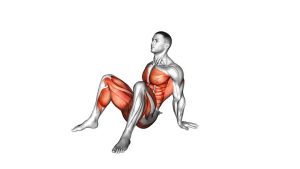
This exercise works best when the twist comes from the torso instead of the arms. The arms should travel with the chest, while the feet, knees, and hips create a steady base. As a result, the obliques can control the rotation without the movement becoming loose or momentum-driven.
Additionally, the Standing Ab Twist is useful for warm-ups, beginner core sessions, home workouts, and low-impact abdominal training. Since no equipment is required, it can be performed almost anywhere. However, clean form matters more than speed. Rotate only as far as you can while keeping your spine tall, your shoulders relaxed, and your balance steady.
Quick Overview
| Body Part | Obliques |
|---|---|
| Primary Muscle | Obliques |
| Secondary Muscle | Rectus abdominis, transverse abdominis, spinal stabilizers |
| Equipment | None |
| Difficulty | Beginner |
Sets & Reps (By Goal)
- Beginner core activation: 2–3 sets × 10–12 twists per side with slow control.
- Warm-up routine: 1–2 sets × 12–20 total twists using an easy rhythm.
- Core endurance: 3–4 sets × 15–25 twists per side with consistent posture.
- Low-impact cardio core finisher: 2–3 rounds × 30–45 seconds at a controlled pace.
Progression rule: First improve control and symmetry. Then add more reps, longer sets, or a slower tempo. Do not progress by twisting harder or forcing extra range.
Setup / Starting Position
- Stand tall: Place your feet about shoulder-width apart and keep your weight balanced across both feet.
- Soften the knees: Keep the knees slightly relaxed instead of locked, so your lower body can stay stable.
- Set your posture: Keep the chest lifted, ribs controlled, and spine long.
- Position the arms: Bend the elbows and hold the hands in front of the chest, similar to the position shown in the video.
- Brace gently: Engage the core lightly before rotating. Your abdomen should feel active, not overly tense.
Tip: Before starting, look straight ahead and check that your hips are not already turned to one side. A centered start makes each twist cleaner and more balanced.
Execution (Step-by-Step)
- Begin from center: Stand upright with your arms bent in front of your torso.
- Rotate to one side: Turn your chest and shoulders to the side while keeping your lower body steady.
- Let the arms follow: Move the arms with the torso instead of swinging them separately.
- Reach a controlled end range: Stop when you feel a clear abdominal twist without forcing the spine.
- Return to center: Rotate back smoothly and keep your balance stable.
- Twist to the opposite side: Repeat the same pattern with equal control and similar range.
- Continue alternating: Maintain a steady left-right rhythm without bouncing or rushing.
Pro Tips & Common Mistakes
- Rotate through the torso: Think about turning your rib cage, not just moving your hands side to side.
- Keep the base steady: Your feet should stay planted so the core does the work.
- Avoid excessive hip swinging: Some natural movement may happen, but the hips should not dominate the twist.
- Do not rush the reps: Faster reps often reduce core tension and increase momentum.
- Keep your spine tall: Avoid leaning backward, collapsing forward, or side-bending during the twist.
- Breathe naturally: Exhale lightly as you rotate, then inhale as you return toward center.
- Match both sides: Rotate with the same range and tempo to the left and right.
FAQ
What muscles does the Standing Ab Twist work?
The Standing Ab Twist mainly targets the obliques, which help rotate the torso. Additionally, the rectus abdominis, transverse abdominis, and spinal stabilizers assist by keeping the trunk controlled during the movement.
Is the Standing Ab Twist good for beginners?
Yes. This exercise is beginner-friendly because it uses bodyweight only and has a simple standing setup. However, beginners should move slowly and avoid forcing the rotation.
Should my hips move during the twist?
The hips may move slightly, but they should not lead the exercise. In the video, the lower body stays mostly stable while the torso rotates from side to side.
Can I do Standing Ab Twists every day?
Many people can use light Standing Ab Twists often, especially as a warm-up or mobility-style core drill. Still, if your lower back feels tired or irritated, reduce the volume and focus on slower reps.
Do I need equipment for this exercise?
No. The version shown in the video is performed without equipment. For progression, you can later add light resistance, but bodyweight control should come first.
Recommended Equipment
- Exercise Mat — provides a comfortable, non-slip surface for core workouts and warm-ups.
- Resistance Bands Set — useful for progressing rotational core exercises once bodyweight form is controlled.
- Medicine Ball — can add light resistance to standing twists after mastering the basic movement.
- Weighted Exercise Ball — offers a compact loading option for controlled core rotation training.
- Adjustable Dumbbell Set — helpful for advanced standing core variations when used lightly and carefully.
Tip: The video demonstrates a bodyweight version, so equipment is optional. Add resistance only when your rotation stays smooth, balanced, and pain-free.