Alternate Leg Pull: Form, Core Benefits, Sets, Tips & FAQ
Learn the Alternate Leg Pull for core stability, abs strength, and plank control. Step-by-step form, sets, mistakes, FAQs, and gear tips.
Alternate Leg Pull
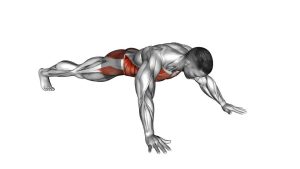
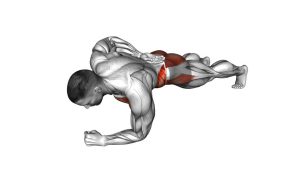
This exercise trains the body to keep a strong plank while the legs move one at a time. Therefore, it challenges the abs, obliques, shoulders, and hip flexors without requiring any equipment. Because the movement is controlled, it is useful for improving core stability, balance, and bodyweight coordination.
Quick Overview
| Body Part | Core |
|---|---|
| Primary Muscle | Abs, especially rectus abdominis and deep core stabilizers |
| Secondary Muscle | Obliques, hip flexors, shoulders, chest, triceps, and glutes |
| Equipment | No equipment required; exercise mat optional |
| Difficulty | Beginner to intermediate |
Sets & Reps (By Goal)
- Core control: 2–3 sets × 8–12 reps per side with a slow tempo.
- Muscular endurance: 3–4 sets × 12–20 total alternating reps.
- Warm-up activation: 1–2 sets × 6–10 reps per side before a core or full-body workout.
- Conditioning finisher: 3 rounds × 30–40 seconds while keeping the movement controlled.
Progression rule: First, improve control and alignment. Then, add reps, longer sets, or a slower knee drive.
Setup / Starting Position
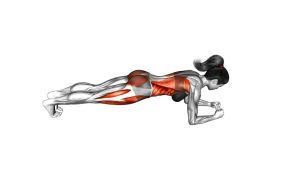
- Start in a high plank: Place your hands under your shoulders with arms straight.
- Extend both legs: Keep your feet behind you and slightly apart for balance.
- Brace your core: Tighten your abs as if preparing for a light punch to the stomach.
- Set your body line: Keep your head, shoulders, hips, knees, and heels aligned.
- Relax your neck: Look slightly down so the neck stays neutral.
Execution (Step-by-Step)
- Hold the plank: Press the floor away and keep your shoulders steady over your wrists.
- Lift one foot: Shift your weight slightly without twisting your hips.
- Pull the knee forward: Bring one knee under your torso in a controlled motion.
- Pause briefly: Hold the knee-forward position for a moment while keeping the abs tight.
- Return the leg: Extend the leg back until you are again in a stable high plank.
- Switch sides: Repeat the same motion with the opposite leg.
- Continue alternating: Move slowly enough to keep your hips level and your spine neutral.
Pro Tips & Common Mistakes
Pro Tips
- Move with control: A slower knee pull makes the abs work harder and reduces momentum.
- Push through the hands: This helps keep the shoulders stable and the upper body strong.
- Keep the hips quiet: Small hip movement is normal, but avoid large side-to-side twisting.
- Breathe steadily: Exhale as the knee pulls forward, then inhale as the leg returns.
- Use a wider foot stance: If balance is difficult, place the feet slightly wider before starting.
Common Mistakes
- Rushing the reps: Moving too fast turns the exercise into momentum instead of core control.
- Letting the hips sag: This can place extra stress on the lower back.
- Piking the hips too high: This reduces core demand and changes the plank position.
- Locking the neck upward: Looking too far forward can strain the neck.
- Collapsing into the shoulders: Keep the chest lifted away from the floor.
FAQ
What muscles does the Alternate Leg Pull work?
The Alternate Leg Pull mainly works the abs and deep core stabilizers. Additionally, the obliques, hip flexors, shoulders, chest, triceps, and glutes help support the movement.
Is the Alternate Leg Pull the same as mountain climbers?
No. Although both exercises use a plank and knee drive, the Alternate Leg Pull is slower and more controlled. Mountain climbers are usually faster and more conditioning-focused.
Should beginners do this exercise?
Yes, beginners can do it if they can hold a stable high plank. However, they should start with fewer reps and a slower pace.
Why do I feel this in my shoulders?
Your shoulders support your body in the high plank. However, if the shoulders feel overloaded, reduce the set length and focus on pushing the floor away.
How can I make the Alternate Leg Pull harder?
You can slow the knee pull, pause longer at the top, increase reps, or perform the exercise with your feet closer together. As a result, your core must stabilize harder.
Recommended Equipment (Optional)
- Exercise Mat — adds comfort for hands and feet during plank-based core work.
- Push-Up Handles — may reduce wrist discomfort by allowing a neutral hand position.
- Core Sliders — useful for advanced plank variations and controlled knee-drive progressions.
- Non-Slip Workout Gloves — improve hand grip during high-plank exercises.
- Resistance Bands Set — helpful for pairing this exercise with glute, hip, and core activation drills.
Tip: Equipment is optional. For best results, first master the bodyweight version with clean plank alignment and controlled alternating reps.