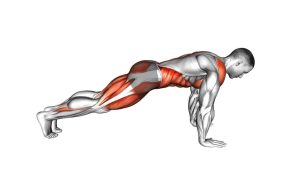
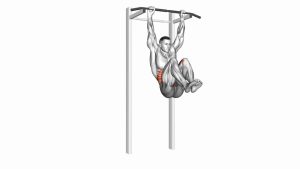
90-Degree Single Knee Crunch: Core Form, Benefits, Sets & Tips
Learn the 90-Degree Single Knee Crunch for core control, lower abs, hip flexor coordination, safe form, sets, mistakes, FAQs, and gear.
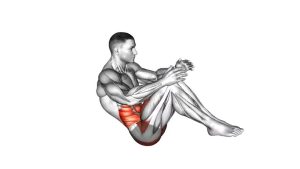
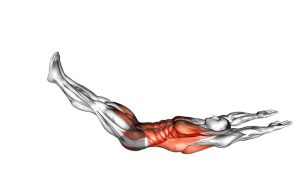
90-Degree Single Knee Crunch
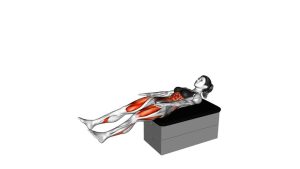
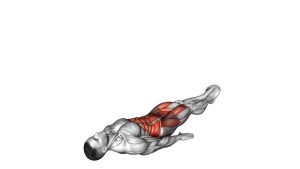
This exercise targets the abdominals through anti-extension control. As one leg reaches away from the body, the core must stay braced so the lower back does not arch. Therefore, it is a useful beginner-friendly movement for building lower-ab awareness, hip-flexor coordination, and clean leg control.
Quick Overview
| Body Part | Core |
|---|---|
| Primary Muscle | Rectus abdominis, especially lower-ab control |
| Secondary Muscle | Hip flexors, deep core stabilizers, quadriceps |
| Equipment | No equipment required; exercise mat optional |
| Difficulty | Beginner to intermediate, depending on control and range |
Sets & Reps (By Goal)
- Beginner core control: 2–3 sets of 8–10 reps per side with a slow tempo.
- Lower-ab endurance: 3–4 sets of 10–14 reps per side with steady breathing.
- Warm-up activation: 1–2 sets of 6–8 reps per side before ab or leg training.
- Technique practice: 2 sets of 6 controlled reps per side with a shorter leg reach.
Progression rule: First extend the leg farther while keeping the lower back stable. After that, increase reps or slow the tempo.
Setup / Starting Position
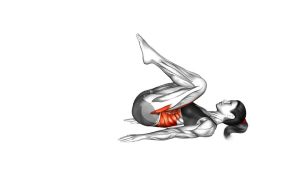
- Lie on your back: Place your body flat on the floor or on an exercise mat.
- Position your arms: Keep both arms straight along your sides for light balance.
- Set your legs: Bend both knees to about 90 degrees with thighs lifted and shins roughly parallel to the floor.
- Brace your core: Gently tighten your abs before moving either leg.
- Keep your head down: Maintain a relaxed neck and avoid pulling the head forward.
Execution (Step-by-Step)
- Start in the 90-degree position: Keep both knees bent and your torso steady.
- Extend one leg forward: Slowly reach one leg away from your body while the other knee stays bent.
- Control the lower back: Keep your ribs down and avoid letting your lower back arch off the floor.
- Return to center: Bring the extended leg back to the 90-degree position with control.
- Switch sides: Extend the opposite leg while keeping the same steady core position.
- Repeat evenly: Continue alternating sides until all reps are complete.
Pro Tips & Common Mistakes
- Move slowly: A controlled tempo makes the abs work harder than fast swinging reps.
- Do not lift the torso: Based on the movement shown, the head and upper back stay mostly supported on the floor.
- Avoid arching your back: If your lower back rises, the leg is reaching too far.
- Keep the knees clean: Return each leg to the same 90-degree position before switching.
- Breathe steadily: Exhale during the leg extension and inhale as you return.
- Do not rush the switch: Pause briefly at center so each side starts from a stable position.
FAQ
What is the 90-Degree Single Knee Crunch good for?
It is good for training core stability, lower-ab control, and alternating leg coordination. Additionally, it helps you practice keeping the pelvis steady while the legs move.
Should I lift my shoulders during this exercise?
No. In the shown movement, the torso stays down while the legs alternate. Therefore, focus on bracing the abs instead of crunching the upper body upward.
Why does my lower back arch?
Your leg may be extending too low or too far. Shorten the range, brace gently, and keep the movement slower.
Is this exercise beginner-friendly?
Yes, it can be beginner-friendly when performed with a small range of motion. However, it becomes more challenging when the leg reaches farther from the body.
Can I do this exercise every day?
You can use it often as a light core-control drill. However, if your hip flexors or lower back feel tired, take rest and reduce volume.
Recommended Equipment
- Exercise Mat — adds comfort and support for floor-based core exercises.
- Thick Yoga Mat — useful if your lower back or hips need more cushioning.
- Mini Resistance Bands — optional for future hip and core progression drills.
- Small Pilates Ball — helpful for core awareness and controlled abdominal training.
- Core Sliders — useful for advanced bodyweight core progressions after mastering this move.
Tip: Equipment is optional. Master the bodyweight version first, then add tools only when your form stays controlled.