Ballerina Side Bends: Standing Oblique Stretch, Core Control & Form Tips
Learn Ballerina Side Bends for oblique mobility, side-core control, posture, and flexibility with step-by-step form, sets, mistakes, and FAQs.
Ballerina Side Bends
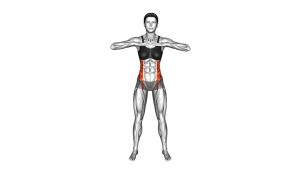
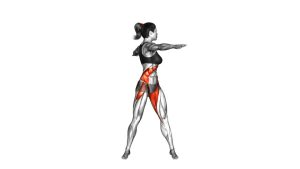
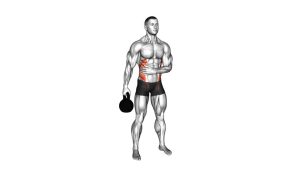
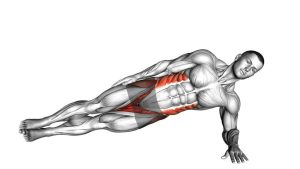
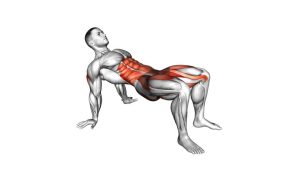
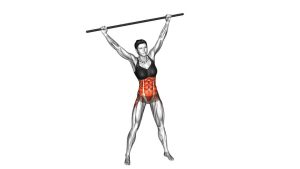
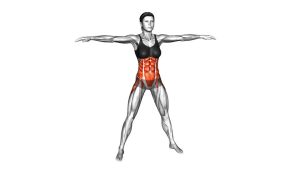
This exercise is especially useful for improving side-body mobility, oblique control, and upright posture awareness. Because the arms stay overhead, the movement also encourages a longer line from the hips to the fingertips. However, the bend should remain comfortable and controlled. Move only as far as you can while keeping both feet grounded and the torso free from rotation.
Quick Overview
| Body Part | Obliques |
|---|---|
| Primary Muscle | Obliques |
| Secondary Muscle | Rectus abdominis, transverse abdominis, spinal stabilizers, shoulders |
| Equipment | None |
| Difficulty | Beginner |
Sets & Reps (By Goal)
- Warm-up mobility: 1–2 sets × 8–12 reps per side with a smooth, relaxed tempo.
- Core control: 2–3 sets × 10–15 reps per side while keeping the hips stable.
- Flexibility focus: 2–3 sets × 6–10 reps per side with a 2–3 second pause at the end range.
- Posture reset: 1–2 easy sets × 6–8 reps per side during a desk-break routine.
Progression rule: First improve control, breathing, and range quality. Then, if needed, increase reps or add a longer pause at the deepest comfortable bend.
Setup / Starting Position
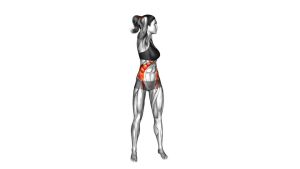
- Stand tall: Place your feet about hip-width apart and keep your weight balanced through both feet.
- Raise your arms: Extend both arms overhead, keeping them long and close to the line of your torso.
- Brace gently: Keep the ribs controlled without holding your breath.
- Relax your shoulders: Reach upward, but avoid shrugging aggressively toward your ears.
- Start centered: Keep your head, ribs, hips, and feet aligned before beginning the bend.
Tip: Think of growing taller before bending sideways. As a result, the movement feels more like a long arc than a collapsed crunch.
Execution (Step-by-Step)
- Reach upward first: Lengthen through the arms and spine before moving to the side.
- Bend to one side: Slowly tilt your torso sideways while keeping both arms extended overhead.
- Keep the hips quiet: Avoid pushing the hips far to the opposite side or rotating the pelvis.
- Pause briefly: Hold the deepest comfortable position for a short moment while breathing calmly.
- Return to center: Use your side-core muscles to bring the torso back upright with control.
- Repeat on the other side: Move into the opposite side bend using the same slow and balanced pattern.
Pro Tips & Common Mistakes
- Move slowly: A controlled tempo improves mobility and prevents bouncing at the end range.
- Keep both feet grounded: This helps you stay balanced and prevents unnecessary hip shifting.
- Avoid twisting: Turn less and bend more directly sideways to target the obliques and side body.
- Do not collapse the ribs: Maintain length through the torso, especially on the bending side.
- Keep the arms active: Reach overhead without letting the shoulders tense excessively.
- Breathe through the movement: Exhale gently as you bend, then inhale as you return to center.
- Use a smaller range if needed: Quality matters more than depth, especially for beginners.
FAQ
What muscles do Ballerina Side Bends work?
Ballerina Side Bends mainly target the obliques through controlled side bending. They also involve the deep core, spinal stabilizers, and shoulders because the arms stay extended overhead.
Are Ballerina Side Bends good for beginners?
Yes. This is a beginner-friendly bodyweight movement when performed slowly and within a comfortable range. However, beginners should avoid forcing the bend or rushing from side to side.
Should I feel this exercise in my lower back?
You may feel light involvement around the side and back of the torso. However, sharp lower-back pain or pinching is not the goal. Reduce the range and focus on keeping the ribs and hips controlled.
Can Ballerina Side Bends help with flexibility?
Yes. Because the movement lengthens the side body, it can support waist, rib, and shoulder mobility. For best results, move slowly and pause briefly at a comfortable end range.
Do I need equipment for this exercise?
No. The exercise is performed with bodyweight only. Still, a yoga mat, mirror, or balance support may help with comfort, feedback, and control.
Recommended Equipment (Optional)
- Yoga Mat — helpful for comfortable standing mobility and floor-based warm-ups.
- Full-Length Workout Mirror — useful for checking posture, arm position, and unwanted twisting.
- Pilates Bar — can be used for posture feedback and controlled standing mobility drills.
- Stretching Strap — helpful for shoulder mobility work that pairs well with overhead side bends.
- Foam Roller — useful for thoracic mobility and gentle warm-up before side-bending exercises.
Tip: These tools are optional. The main exercise does not require equipment, so prioritize smooth movement, balanced posture, and consistent control.