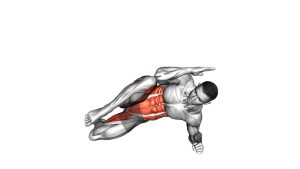
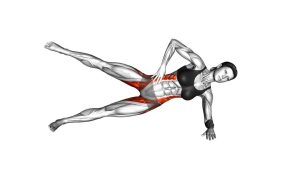
Resistance Band Side Plank Glute Raise: Form, Sets, Tips & FAQ
Build glute medius, hip stability, and core control with the Resistance Band Side Plank Glute Raise. Learn form, sets, tips, mistakes, and equipment.
Resistance Band Side Plank Glute Raise
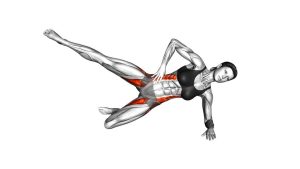
This exercise works best when the movement stays slow, stable, and precise. The goal is not to swing the top leg high. Instead, focus on keeping the hips lifted, the torso still, and the resistance band under steady control. Because the body must resist rotation while the leg moves, this drill is excellent for building glute strength and trunk stability together.
Quick Overview
| Body Part | Glutes |
|---|---|
| Primary Muscle | Gluteus medius |
| Secondary Muscle | Gluteus minimus, obliques, transverse abdominis, shoulder stabilizers |
| Equipment | Mini resistance band / loop band |
| Difficulty | Intermediate |
Sets & Reps (By Goal)
- Hip stability: 2–3 sets × 8–12 reps per side with slow control
- Glute activation: 2–4 sets × 10–15 reps per side with a light-to-medium band
- Core strength: 3 sets × 6–10 reps per side with a 1–2 second pause at the top
- Warm-up use: 1–2 sets × 8–10 reps per side before lower-body training
Progression rule: First improve control and plank alignment. Then increase reps, pause time, or band resistance. Do not progress if your hips drop or your torso rotates during the leg raise.
Setup / Starting Position
- Place the band: Wrap a mini resistance band around both thighs, slightly above the knees.
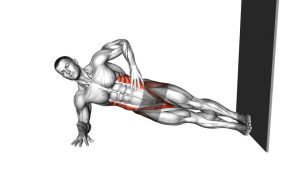
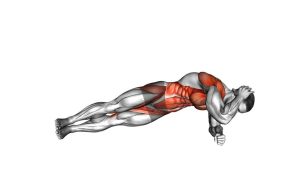
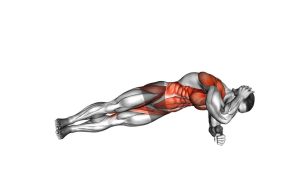
- Set your side plank: Lie on your side with your forearm on the floor and your elbow under your shoulder.
- Stack your legs: Keep both legs straight and stacked with the feet aligned.
- Lift the hips: Raise your hips until your body forms a straight line from head to feet.
- Brace your core: Keep the ribs controlled, the pelvis steady, and the top hand resting on your hip if comfortable.
Start with a light band if you are new to this movement. The band should create tension without forcing your hips or torso out of alignment.
Execution (Step-by-Step)
- Hold the side plank: Keep the bottom forearm firm on the floor and maintain a straight body line.
- Begin the raise: Slowly lift the top leg away from the bottom leg while keeping the knee and foot pointing forward.
- Stretch the band: Raise the leg until you feel strong glute tension without twisting your torso.
- Pause briefly: Hold the top position for 1–2 seconds while keeping the hips elevated.
- Lower with control: Bring the top leg back down slowly until the legs are stacked again.
- Repeat clean reps: Continue for the target reps, then switch sides.
Pro Tips & Common Mistakes
- Keep your elbow under your shoulder: This creates a stronger base and reduces unnecessary shoulder strain.
- Do not let the hips drop: Keep the side plank active throughout the entire set.
- Avoid swinging the leg: Use glute control instead of momentum.
- Keep the torso facing forward: Do not roll the chest toward the floor or lean backward to lift higher.
- Use moderate band tension: A band that is too heavy can shift the work away from the glutes and into compensation.
- Control the lowering phase: The return is just as important as the lift because it keeps the glutes under tension.
- Breathe steadily: Exhale during the raise and inhale as the leg lowers.
FAQ
What muscles does the Resistance Band Side Plank Glute Raise work?
It mainly targets the gluteus medius, which helps with hip stability and leg abduction. In addition, the obliques, transverse abdominis, gluteus minimus, and shoulder stabilizers work to hold the side plank position.
Is this exercise good for glute medius activation?
Yes. Because the top leg raises outward against band tension, the glute medius must work strongly. However, the movement should stay controlled so the hip muscles do the work instead of momentum.
Why do my hips drop during the movement?
Your hips may drop because the side plank is too difficult, the band is too heavy, or your core is losing tension. Therefore, start with a lighter band, reduce the reps, or practice a regular side plank first.
Should I use a light or heavy resistance band?
Use a light-to-medium band first. The correct band allows you to raise and lower the top leg without twisting, swinging, or losing your plank position.
Can beginners do this exercise?
Beginners can try it if they already have basic side-plank control. Otherwise, it is better to start with side planks, side-lying band abductions, or short side-plank holds before adding the leg raise.
Recommended Equipment
- Mini Resistance Bands — the main tool for adding glute tension during the leg raise
- Fabric Glute Resistance Bands — useful for stronger hip-abduction resistance and less rolling on the thighs
- Exercise Mat — adds comfort for the forearm, elbow, hip, and lower leg during side plank work
- Forearm Plank Pad — helps reduce elbow pressure during longer core and plank sessions
- Ankle Resistance Bands — optional progression tool for advanced hip-abduction and glute stability drills
Choose equipment that helps you keep clean form. If a band causes twisting, hip pain, or shoulder collapse, use a lighter option.