Band Squat Twist: Core Rotation, Squat Form, Sets, Tips & FAQ
Learn the Band Squat Twist for core rotation, leg strength, and band control. Includes setup, form steps, sets, mistakes, FAQs, and gear.
Band Squat Twist
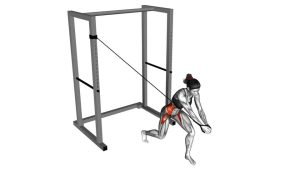
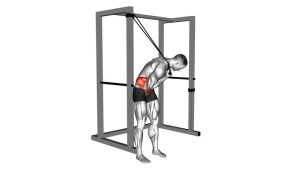
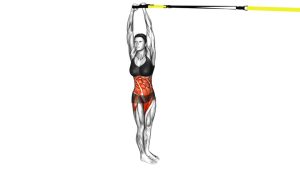
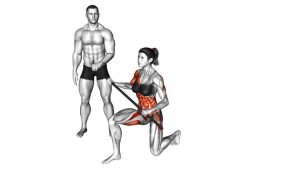
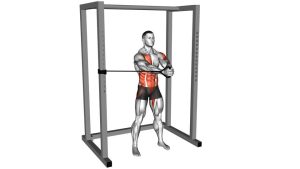
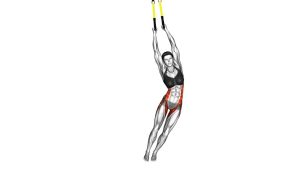
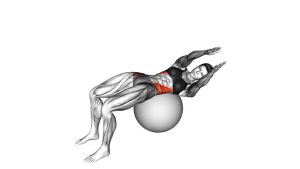
This exercise works best when the squat and twist happen with control. Instead of rushing through the rotation, lower into the squat smoothly, rotate the torso with the arms following the band path, and then return to center before standing tall again. As a result, the movement trains coordination, balance, and rotational strength without needing heavy equipment.
Quick Overview
| Body Part | Core |
|---|---|
| Primary Muscle | Obliques |
| Secondary Muscle | Rectus abdominis, transverse abdominis, glutes, quadriceps, hamstrings, and hip stabilizers |
| Equipment | Resistance band with a secure anchor point |
| Difficulty | Intermediate because it combines squat depth, band tension, and torso rotation |
Sets & Reps (By Goal)
- Movement learning: 2–3 sets × 6–8 reps per side with light band tension
- Core control: 3 sets × 8–12 reps per side with a slow rotation and steady squat depth
- Functional strength: 3–4 sets × 10–15 reps per side with moderate band resistance
- Workout finisher: 2–3 sets × 12–20 total reps using smooth continuous control
Progression rule: First improve control, then increase reps, and finally use a stronger band. However, do not increase resistance if the knees collapse inward or the torso twists too fast.
Setup / Starting Position
- Anchor the band: Secure the resistance band behind you at about waist to chest height.
- Face away from the anchor: Step forward until the band has light-to-moderate tension.
- Set your stance: Place your feet about shoulder-width apart with toes slightly turned out if needed.
- Hold the band: Grip the band with both hands and extend the arms forward in front of your body.
- Brace your core: Keep the ribs controlled, chest lifted, and shoulders relaxed before starting.
- Prepare to squat: Keep your weight balanced through the feet and avoid leaning backward into the band.
In the video, the band stays under tension before the first squat begins. Therefore, start far enough from the anchor to feel resistance, but not so far that your arms or shoulders take over the movement.
Execution (Step-by-Step)
- Start tall: Stand upright with your arms forward and the band pulling gently from behind.
- Begin the squat: Bend your knees and hips together while keeping your feet planted.
- Rotate during the descent: As you lower, twist your torso to one side and let the hands follow the rotation.
- Reach the bottom position: Pause briefly near your lowest controlled squat depth while keeping the band tension steady.
- Return to center: Rotate your torso back to the middle before fully standing up.
- Stand tall again: Drive through the feet, extend the hips and knees, and return to the starting position.
- Repeat evenly: Perform the next rep with the same smooth tempo. Then switch sides if your set is side-specific.
Pro Tips & Common Mistakes
- Use controlled tension: Choose a band that lets you rotate without losing balance.
- Keep the squat clean: Sit the hips back and down while maintaining steady foot pressure.
- Do not rush the twist: Rotate smoothly because fast momentum reduces core engagement.
- Avoid knee collapse: Keep the knees tracking in the same direction as the toes.
- Do not over-pull with the arms: Let the torso guide the rotation while the arms follow naturally.
- Control the return: Bring the torso back to center before standing fully upright.
- Keep breathing: Exhale lightly during the twist and inhale as you reset.
- Reduce range if needed: A smaller squat and smaller twist are better than a deep, unstable rep.
FAQ
What muscles does the Band Squat Twist work?
The Band Squat Twist mainly targets the obliques because the torso rotates against band resistance. It also trains the abs, glutes, quads, hamstrings, and hip stabilizers because the movement includes a squat pattern.
Is the Band Squat Twist a core exercise or a leg exercise?
It is both. The squat trains the lower body, while the band-resisted twist challenges the core. However, the main purpose is usually rotational control, so it fits best in a core or functional training routine.
Should I twist before squatting or while squatting?
Based on the demonstrated movement, the twist begins as the body lowers into the squat. Then the torso returns toward center before the body stands tall again. This sequence keeps the movement coordinated.
How heavy should the resistance band be?
Use light-to-moderate resistance. If the band pulls you off balance, causes your knees to cave inward, or makes your shoulders tense, the resistance is too heavy.
Can beginners do the Band Squat Twist?
Beginners can use a very light band and a shallow squat. Still, it is more complex than a basic squat because it combines rotation, balance, and band tension at the same time.
Where should I place the band anchor?
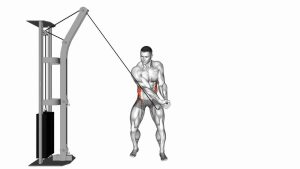
In the video, the band appears anchored behind the body. A waist-to-chest-height anchor usually works well because it allows the arms to stay forward while the torso rotates smoothly.
Recommended Equipment
- Resistance Bands with Handles — ideal for controlled squat-and-twist training with a comfortable grip
- Door Anchor for Resistance Bands — helps create a secure anchor point behind the body
- Loop Resistance Bands Set — useful for warm-ups, hip activation, and lower-body stability drills
- Non-Slip Exercise Mat — provides better foot grip and floor comfort during home workouts
- Slant Board / Mobility Board — helpful for improving ankle mobility and squat comfort over time
Tip: Always check that the band and anchor are secure before starting. If the anchor shifts or the band snaps back unexpectedly, stop and reset before continuing.