Protraction Plank Jack: Form, Muscles, Benefits, Sets & Tips
Learn the Protraction Plank Jack for core stability, serratus activation, shoulder control, and cardio. Includes form, sets, mistakes, FAQs, and gear.
Protraction Plank Jack
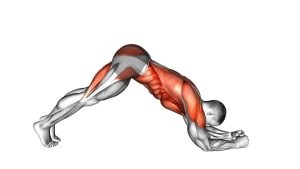
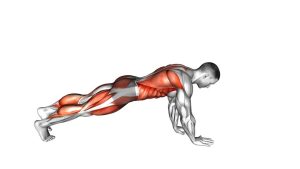
This exercise works best when the body stays long, strong, and controlled. Although the feet move quickly, the torso should not bounce, sag, or twist. Therefore, keep your hands planted, brace your abs, push the floor away, and jump the feet out and in while maintaining a stable high plank.
Quick Overview
| Body Part | Core |
|---|---|
| Primary Muscle | Serratus anterior, rectus abdominis, transverse abdominis |
| Secondary Muscle | Shoulders, chest, hip abductors, glutes, calves, quadriceps |
| Equipment | No equipment required; exercise mat optional |
| Difficulty | Intermediate because it combines upper-body stability, core bracing, and rhythmic foot jumps |
Sets & Reps (By Goal)
- Core control: 3 sets × 8–12 reps per side-out cycle, using a slow and clean rhythm.
- Shoulder stability: 3–4 sets × 10–15 controlled reps, focusing on pushing the floor away each time.
- Conditioning: 4–6 rounds × 20–40 seconds, resting 30–60 seconds between rounds.
- Beginner progression: 2–3 sets × 6–10 slow reps, stepping the feet out instead of jumping.
- Advanced finisher: 3–5 rounds × 30–45 seconds, keeping hips level and reps crisp.
Progression rule: First improve plank alignment and shoulder control. Then add speed, longer work intervals, or more total rounds only when your hips stay stable and your upper back stays actively pushed away from the floor.
Setup / Starting Position
- Start in a high plank: Place your hands on the floor under your shoulders and extend both legs behind you.
- Set your feet close together: Begin with the toes on the floor and the body in one straight line.
- Brace your core: Tighten your abs gently so the lower back does not sag during the jumping motion.
- Push the floor away: Keep the elbows straight and spread the shoulder blades slightly by reaching through the hands.
- Keep your neck neutral: Look slightly ahead of your hands without dropping or lifting the head too much.
Setup matters because this is not only a foot-jumping drill. In addition, the shoulder blades should stay active so the upper back does not collapse between reps.
Execution (Step-by-Step)
- Hold a strong high plank: Keep your hands fixed, arms straight, ribs controlled, and hips in line with your shoulders.
- Jump the feet outward: Move both feet apart at the same time, landing wider than hip-width while keeping the torso steady.
- Protract the shoulders: As the feet move out, push the floor away and allow the upper back to round slightly.
- Keep the elbows straight: Avoid turning the movement into a push-up or letting the chest sink downward.
- Jump the feet back in: Bring both feet back toward the starting position while maintaining core tension.
- Reset without collapsing: Return to a stable plank, then repeat with a smooth, rhythmic tempo.
Pro Tips & Common Mistakes
- Push through the floor: Keep your shoulder blades spread instead of letting your chest sink between your shoulders.
- Do not bend the elbows: The arms should stay straight because the movement comes from the shoulder blades and legs.
- Control the hips: If your hips bounce, slow down and reduce the jump width.
- Avoid lower-back sagging: Brace your abs and squeeze your glutes lightly before each rep.
- Land softly: Use quiet foot contact so the movement stays controlled and joint-friendly.
- Keep the head neutral: Do not look up, tuck hard, or let the neck hang toward the floor.
- Start with step-outs if needed: Step one foot out at a time before progressing to full plank jacks.
- Use quality over speed: Faster reps are only useful when your plank line stays clean.
FAQ
What is a Protraction Plank Jack?
The Protraction Plank Jack is a high-plank exercise where you jump your feet out and in while actively pushing the floor away. Because of that extra shoulder-blade action, it targets both core stability and serratus anterior control.
Which muscles does the Protraction Plank Jack work?
It mainly works the serratus anterior, abs, and deep core stabilizers. Additionally, it trains the shoulders, chest, hip abductors, glutes, calves, and quads because the body must stabilize while the feet move.
Is the Protraction Plank Jack good for abs?
Yes. The abs work hard to prevent the hips from sagging, rotating, or bouncing. However, the exercise is most effective when you keep the plank line stable instead of rushing the foot jumps.
Why should I protract during a plank jack?
Protraction helps train the shoulder blades to move and stabilize properly. As a result, the exercise becomes more useful for shoulder control and serratus anterior strength, not just cardio.
Can beginners do this exercise?
Beginners can use a modified version by stepping the feet out one at a time. Once the plank stays stable, they can progress to small jumps and later increase speed.
What is the most common mistake?
The most common mistake is letting the chest sink and the hips drop while jumping the feet. To fix this, push the floor away, brace the abs, and slow the tempo until each rep looks controlled.
Recommended Equipment (Optional)
- Non-Slip Exercise Mat — adds grip and comfort for hands, wrists, and toes during plank-based exercises.
- Push-Up Handles — may reduce wrist extension and create a more comfortable hand position.
- Workout Wrist Wraps — provide light wrist support during high-plank conditioning work.
- Core Sliders — useful for lower-impact plank jack variations when jumping is too aggressive.
- HIIT Training Shoes — help improve foot grip and stability during fast plank jack transitions.
Tip: Equipment is optional. However, a stable surface and good hand grip can make the movement cleaner, safer, and easier to control.