Bodyweight Rainbow Leg Raise: Form, Core Benefits, Sets & Tips
Learn the Bodyweight Rainbow Leg Raise to strengthen lower abs, obliques, and core control with step-by-step form, sets, mistakes, FAQs, and gear.
Bodyweight Rainbow Leg Raise
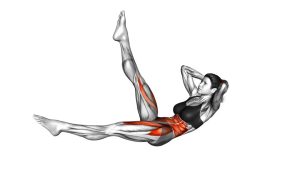
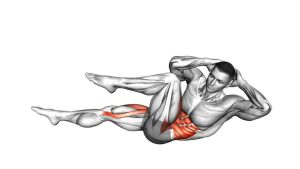
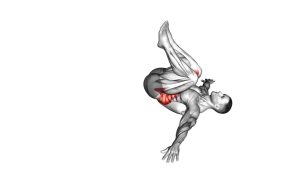
This exercise is more demanding than a basic lying leg raise because the legs must stay controlled while traveling through a wide side-to-side path. The goal is not to swing the legs fast. The goal is to keep the lower back stable, maintain abdominal tension, and move with a slow, deliberate rhythm.
Quick Overview
| Body Part | Core |
|---|---|
| Primary Muscle | Lower abs / Rectus abdominis |
| Secondary Muscle | Internal obliques, external obliques, transverse abdominis, hip flexors |
| Equipment | Bodyweight only; optional exercise mat |
| Difficulty | Intermediate |
Sets & Reps (By Goal)
- Core control: 2–3 sets × 6–10 controlled arcs per side
- Abs and oblique strength: 3–4 sets × 8–12 reps per side
- Bodyweight core endurance: 2–4 sets × 30–45 seconds
- Beginner progression: 2–3 sets × 6–8 reps with bent knees or smaller range
Progression rule: Increase range of motion only after you can keep your back stable, legs controlled, and breathing consistent.
Setup / Starting Position
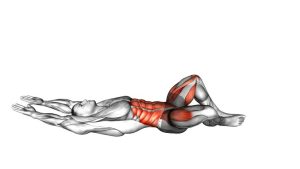
- Lie flat on your back on a firm surface or exercise mat.
- Place your arms slightly out to the sides with palms down for support.
- Extend both legs together and lift them slightly off the floor.
- Brace your core by gently pulling the ribs down and tightening the abs.
- Keep your head, shoulders, and upper back relaxed against the floor.
Tip: If straight legs feel too difficult, bend the knees slightly and use a smaller rainbow path.
Execution (Step-by-Step)
- Start centered: Keep both legs together and hovering above the floor.
- Lift into the arc: Raise the legs upward and begin moving them toward one side.
- Sweep across: Move the legs in a smooth curved path, like drawing a rainbow with your feet.
- Control the side drop: Lower the legs toward one side without letting them touch the floor.
- Return through center: Bring the legs back up and across to the opposite side.
- Repeat with control: Continue alternating sides while keeping your abs tight and your upper body stable.
Pro Tips & Common Mistakes
- Move slowly: Fast reps usually turn this into momentum instead of core training.
- Keep the legs together: Squeezing the legs together improves control and body tension.
- Do not slam the feet down: The legs should hover near the floor at the bottom of each side.
- Control your lower back: Stop the descent before your back starts to arch.
- Use your arms lightly: Your hands support balance, but the abs should do the main work.
- Breathe through the movement: Exhale during the hardest part of the sweep to maintain core tension.
- Shorten the arc if needed: A smaller clean arc is better than a wide uncontrolled swing.
FAQ
What muscles does the Bodyweight Rainbow Leg Raise work?
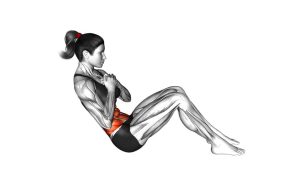
It primarily works the lower abs and also trains the obliques, transverse abdominis, and hip flexors. The side-to-side arc makes it more rotational and anti-rotational than a standard leg raise.
Is the Bodyweight Rainbow Leg Raise beginner-friendly?
It is best for intermediate trainees, but beginners can modify it by bending the knees, reducing the range of motion, or keeping the legs higher above the floor.
Should my lower back stay flat during the exercise?
Your lower back should stay controlled and supported. A small natural curve is normal for some people, but you should not feel excessive arching, pinching, or back strain.
How do I make this exercise easier?
Bend your knees, move through a smaller arc, keep the legs higher, or perform fewer reps. Focus on clean control before increasing difficulty.
How do I make the rainbow leg raise harder?
Slow down the tempo, increase the arc, pause near each side, or hold a light medicine ball between the feet only if your form stays stable.
Recommended Equipment (Optional)
- Exercise Mat — adds comfort and support for floor-based core training
- Non-Slip Yoga Mat — helps prevent sliding during controlled leg sweeps
- Adjustable Ankle Weights — optional progression for advanced users with strong control
- Small Medicine Ball — can be held between the feet for a harder variation
- Core Sliders — useful for related abs, oblique, and hip-control exercises
Tip: Use equipment only after you can perform the bodyweight version with stable hips, controlled breathing, and no lower-back discomfort.