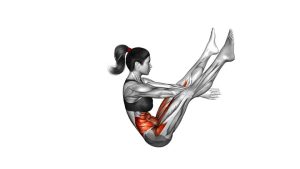
Alternate Frog Crunch: Form, Benefits, Sets, Tips & FAQ
Learn the Alternate Frog Crunch to train abs, obliques, and hip flexors with controlled frog-style leg movement. Includes form, sets, tips, FAQ, and gear.
Alternate Frog Crunch
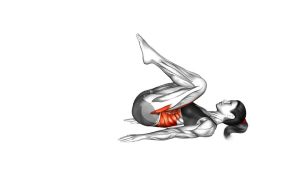
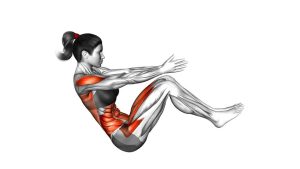
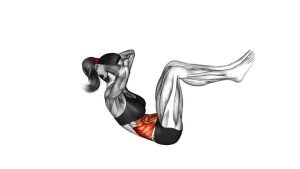
This exercise is best performed with smooth, controlled repetitions rather than speed. The goal is to lift the shoulder blades, alternate the legs, and keep the lower back stable as the knees move in a frog-like position. Keep the neck relaxed, breathe with each crunch, and avoid swinging the legs.
Quick Overview
| Body Part | Core |
|---|---|
| Primary Muscle | Rectus abdominis |
| Secondary Muscle | Obliques, hip flexors, transverse abdominis, adductors |
| Equipment | None; optional exercise mat |
| Difficulty | Beginner to intermediate |
Sets & Reps (By Goal)
- Core activation: 2–3 sets × 8–12 reps per side with slow control.
- Muscle endurance: 3–4 sets × 12–20 total alternating reps.
- Beginner practice: 2 sets × 6–8 reps per side with shorter range.
- Bodyweight abs finisher: 2–3 rounds × 30–45 seconds.
Progression rule: Add reps first, then increase time under tension. Do not progress if your neck pulls forward or your lower back lifts from the floor.
Setup / Starting Position
- Lie on your back on a mat with your head, shoulders, and upper back relaxed.
- Bend your knees and open them outward into a frog-style position.
- Keep your feet close together or lightly touching while the knees stay wide.
- Place your arms beside your body or lightly behind the head without pulling the neck.
- Brace your core gently and keep the lower back controlled against the floor.
Execution (Step-by-Step)
- Start in the frog position: Keep the knees open and the feet close while lying flat.
- Crunch upward: Lift your head and shoulder blades off the floor using your abs.
- Alternate one leg: Draw one knee slightly inward while the opposite leg extends or moves away with control.
- Pause briefly: Hold the top position for a moment and keep the abs tight.
- Lower with control: Return the upper back toward the floor without dropping suddenly.
- Switch sides: Repeat the movement with the opposite knee driving inward.
Pro Tips & Common Mistakes
- Keep the crunch compact: Lift the shoulder blades, but avoid sitting all the way up.
- Do not pull the head: Let the abs lift the torso instead of using the hands or neck.
- Control the lower back: If it arches, reduce the leg range or slow the movement.
- Maintain the frog shape: Keep the knees wide instead of turning it into a standard bicycle crunch.
- Exhale as you crunch: Breathing out helps the ribs drop and the abs contract better.
- Avoid rushing: Slower reps usually create better abdominal tension and cleaner control.
FAQ
What muscles does the Alternate Frog Crunch work?
It mainly works the rectus abdominis. The obliques, hip flexors, transverse abdominis, and inner-thigh muscles assist because the legs move in an open frog-style position.
Is the Alternate Frog Crunch good for lower abs?
Yes. The alternating leg movement increases lower-core demand, especially when the lower back stays stable and the legs move without momentum.
Should my feet stay together during this exercise?
Your feet can stay close together or lightly touching. The key point is to keep the knees open and maintain the frog-style shape throughout the movement.
Why do I feel this in my hip flexors?
Some hip flexor involvement is normal because the legs are moving. If the hip flexors dominate, make the leg range smaller and focus on curling the ribs toward the pelvis.
Is this exercise beginner-friendly?
It can be beginner-friendly when performed slowly with a small range of motion. Beginners should start with fewer reps and avoid extending the legs too far.
Recommended Equipment
- Exercise Mat — adds comfort and support for floor-based core training.
- Thick Yoga Mat — useful if your spine or hips need extra cushioning.
- Core Sliders — helpful for progressing other ab and hip-control exercises.
- Mini Resistance Bands — useful for hip activation and glute warm-ups before core sessions.
- Workout Timer — helps manage timed ab circuits and rest periods.