Sideway Turn: Core Rotation Form, Sets, Tips & FAQ
Learn the Sideway Turn to strengthen obliques, improve torso rotation, and build core control with proper form, sets, tips, FAQs, and equipment.
Sideway Turn
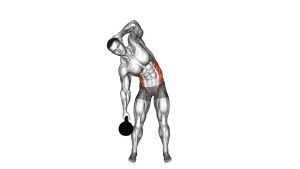
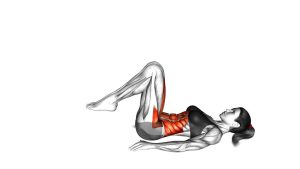
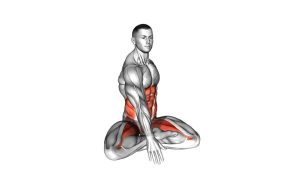
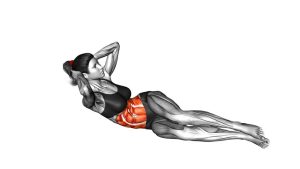
This exercise is useful as a warm-up, mobility drill, beginner oblique exercise, or low-impact core activation movement. It should feel controlled through the sides of the waist and midsection, not strained through the lower back. The goal is clean rotation, steady balance, and repeatable movement quality.
Quick Overview
| Body Part | Core |
|---|---|
| Primary Muscle | Obliques |
| Secondary Muscle | Rectus abdominis, transverse abdominis, spinal stabilizers, hip stabilizers |
| Equipment | No equipment required |
| Difficulty | Beginner |
Sets & Reps (By Goal)
- Warm-up / mobility: 2–3 sets × 20–30 total turns at a relaxed pace.
- Core activation: 3 sets × 12–20 turns per side with steady control.
- Beginner conditioning: 2–4 sets × 30–45 seconds of continuous side-to-side movement.
- Trunk control: 2–3 sets × 8–12 slow turns per side with a short pause at each end range.
Progression rule: Improve control before adding speed or resistance. A clean, small rotation is better than a fast, uncontrolled twist.
Setup / Starting Position
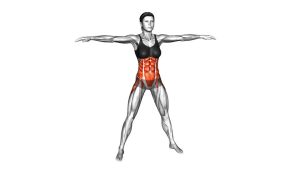
- Stand tall: Keep your feet about hip-width to shoulder-width apart.
- Set your posture: Keep the chest open, spine long, and ribs stacked over the hips.
- Brace lightly: Engage your core without holding your breath.
- Relax the shoulders: Avoid shrugging or tensing the neck.
- Prepare to rotate: Keep the feet grounded and let the torso guide the turn.
Tip: Use a wider stance if you need more balance or a smaller range if your lower back feels tight.
Execution (Step-by-Step)
- Begin from center: Stand upright with your body facing forward.
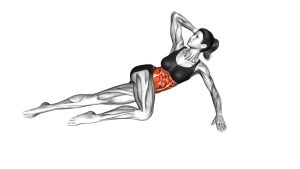
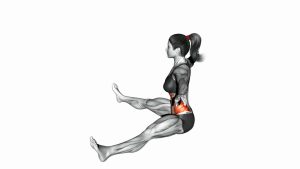
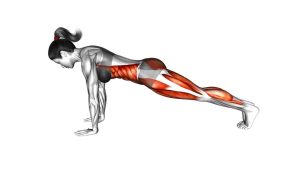
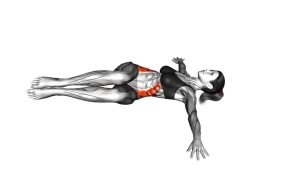
- Turn to one side: Rotate your shoulders and torso sideways in a smooth motion.
- Control the range: Stop before your lower back feels forced or compressed.
- Return to center: Bring the torso back slowly without bouncing.
- Turn to the opposite side: Repeat the same controlled rotation on the other side.
- Continue evenly: Move side to side with equal range, steady breathing, and consistent posture.
Pro Tips & Common Mistakes
- Do not twist aggressively: The Sideway Turn should feel controlled, not forced.
- Keep the spine tall: Avoid rounding forward or leaning backward during the rotation.
- Use your obliques: Think about turning from the waist instead of pulling with the shoulders only.
- Avoid momentum: Do not bounce from side to side just to increase speed.
- Control the hips: Let the hips stay mostly stable while the upper body rotates.
- Breathe naturally: Exhale during the turn and inhale as you return through center.
- Match both sides: Keep the left and right turns balanced in speed and range.
FAQ
What muscles does the Sideway Turn work?
The Sideway Turn mainly works the obliques, which help rotate and stabilize the torso. It also lightly engages the rectus abdominis, deep core, spinal stabilizers, and hip stabilizers.
Is the Sideway Turn good for beginners?
Yes. The Sideway Turn is beginner-friendly because it uses bodyweight only and allows you to control the speed, range, and intensity easily.
Should the hips move during the Sideway Turn?
The hips may move slightly, but they should not swing aggressively. The main focus should stay on controlled torso rotation.
Can the Sideway Turn help strengthen the obliques?
Yes. It can help activate and condition the obliques, especially when performed slowly with good control. For greater strength progress, combine it with progressive core exercises.
Why do I feel the Sideway Turn in my lower back?
You may be rotating too far, moving too fast, or losing core brace. Reduce the range, slow down, and keep the ribs stacked over the hips.
Recommended Equipment (Optional)
- Exercise Mat — useful for warm-ups, stretching, and floor-based core exercises.
- Medicine Ball — helpful for progressing rotational core drills when bodyweight control is solid.
- Resistance Bands Set — useful for anti-rotation training and controlled oblique work.
- Foam Roller — supports thoracic mobility and warm-up preparation before rotation drills.
- Light Dumbbells — optional light loading for advanced side-turn or rotation variations.
Tip: Keep the Sideway Turn bodyweight at first. Add resistance only when your movement stays smooth and pain-free.