Standing Resistance Band Leg Curl: Form, Hamstring Benefits, Sets, Tips & FAQ
Learn the Standing Resistance Band Leg Curl for stronger hamstrings, better knee control, and home-friendly leg training with setup, form tips, FAQs, and gear.
Standing Resistance Band Leg Curl
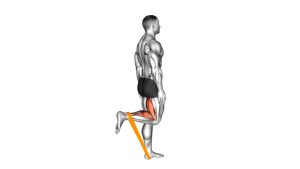
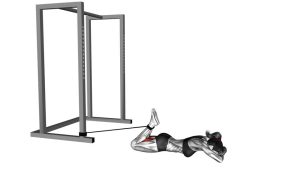
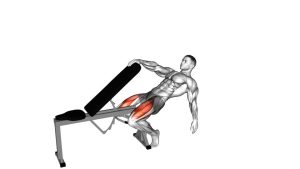
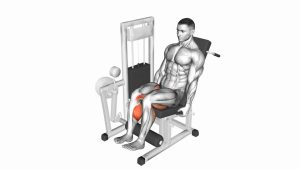
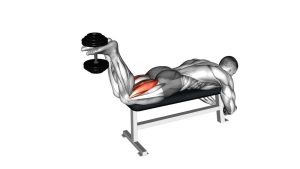
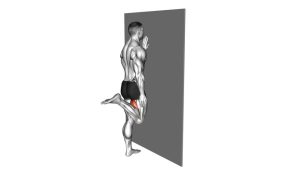
This movement works best when the body stays tall, the hips remain steady, and the working leg moves without swinging. The goal is to curl the heel upward with control, pause briefly at the top, then lower the leg slowly against the band. Good form keeps tension on the hamstrings while reducing compensation from the lower back, hips, or momentum.
Quick Overview
| Body Part | Hamstrings |
|---|---|
| Primary Muscle | Hamstrings — biceps femoris, semitendinosus, semimembranosus |
| Secondary Muscle | Glutes, calves, core, and standing-leg stabilizers |
| Equipment | Resistance band, low anchor point, optional ankle strap or loop band |
| Difficulty | Beginner to Intermediate |
Sets & Reps (By Goal)
- Muscle activation / warm-up: 2–3 sets × 12–15 reps per leg with light band tension.
- Hamstring strength: 3–4 sets × 8–12 reps per leg with moderate tension and slow control.
- Muscle endurance: 2–4 sets × 15–25 reps per leg with steady tempo and clean posture.
- Rehab-style control: 2–3 sets × 8–12 reps per leg using pain-free range and light resistance.
Progression rule: Increase control first, then reps, then band resistance. Avoid using a stronger band if it makes you swing, lean forward, or lose balance.
Setup / Starting Position
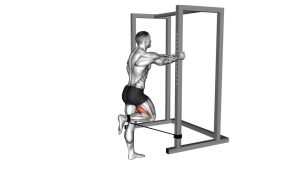
- Anchor the band low: Attach the resistance band to a secure low anchor behind or slightly in front of the working ankle depending on your setup.
- Attach the band: Loop the band around the working ankle or use an ankle strap for a more comfortable fit.
- Stand tall: Keep your chest lifted, ribs stacked, core lightly braced, and shoulders relaxed.
- Stabilize your body: Hold a wall, rack, chair, or support if needed to prevent wobbling.
- Set the working leg: Keep the thigh mostly vertical and the knee pointing down toward the floor.
Tip: Start with light band tension. A smooth curl is more valuable than a heavy band that forces your hips to move.
Execution (Step-by-Step)
- Brace lightly: Stand upright and keep your support leg stable before beginning the curl.
- Bend the working knee: Curl your heel upward toward your glutes by contracting the hamstrings.
- Keep the thigh quiet: Do not swing the leg forward or backward. The main movement should happen at the knee.
- Pause at the top: Hold briefly when the hamstring is fully shortened, without arching your lower back.
- Lower slowly: Extend the knee under control and resist the band as the foot returns to the starting position.
- Repeat clean reps: Maintain balance, posture, and steady breathing for every repetition.
Pro Tips & Common Mistakes
- Keep the movement isolated: The exercise should look like a knee curl, not a hip swing.
- Control the lowering phase: The eccentric portion builds control and keeps tension on the hamstrings.
- Do not over-arch: Keep your ribs down and avoid leaning backward as the heel rises.
- Use support when needed: Holding a stable object helps you focus on the hamstrings instead of balance.
- Keep the knee pointing down: Letting the knee drift forward can reduce hamstring isolation.
- Avoid excessive speed: Fast reps usually create momentum and reduce target-muscle tension.
- Match both sides: Train each leg evenly and notice if one hamstring feels weaker or harder to control.
FAQ
What muscles does the Standing Resistance Band Leg Curl work?
It primarily works the hamstrings, especially through knee flexion. The glutes, calves, core, and standing leg also help with balance and stability.
Is the resistance band leg curl good for home workouts?
Yes. It is one of the best home-friendly leg curl alternatives because it needs only a band and a secure low anchor. It can help train the hamstrings without a machine.
Should I use a light or heavy resistance band?
Start with a light to moderate band. Choose a resistance that lets you curl smoothly, pause at the top, and lower slowly without swinging or losing posture.
Where should I feel this exercise?
You should feel the back of the thigh working, especially near the middle and lower hamstring area. You should not feel sharp pain in the knee or lower back.
Can beginners do the Standing Resistance Band Leg Curl?
Yes. Beginners can perform it safely by using light resistance, holding support for balance, and keeping the range of motion controlled and pain-free.
Recommended Equipment
- Resistance Bands Set — useful for adjusting tension and progressing the leg curl over time
- Ankle Straps for Resistance Bands — improves comfort and keeps the band secure around the ankle
- Door Anchor for Resistance Bands — helps create a stable low anchor point for home training
- Loop Resistance Bands — compact option for lower-body isolation and hamstring activation
- Exercise Mat — adds comfort for warm-ups, mobility drills, and floor-based leg training
Tip: For this exercise, the most important equipment detail is anchor security. The band should stay fixed and smooth through the full range of motion.