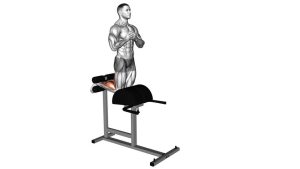
Plate-Loaded Lever Kneeling Leg Curl: Form, Sets, Tips & FAQ
Learn the plate-loaded lever kneeling leg curl for stronger hamstrings with safe setup, controlled form, sets, tips, FAQs, and equipment.
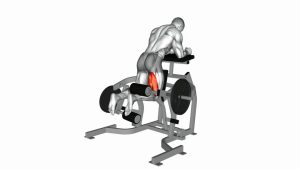
Plate-Loaded Lever Kneeling Leg Curl
This exercise is excellent for building stronger, more defined hamstrings because it allows direct loading through a controlled lever path. Since the torso and hips are supported, the movement can stay focused on the back of the thigh. The best reps are smooth, controlled, and consistent from the stretched bottom position to the peak contraction near the top.
Quick Overview
| Body Part | Hamstrings |
|---|---|
| Primary Muscle | Hamstrings: biceps femoris, semitendinosus, semimembranosus |
| Secondary Muscle | Gastrocnemius, glutes, core stabilizers |
| Equipment | Plate-loaded kneeling leg curl machine |
| Difficulty | Intermediate |
Sets & Reps (By Goal)
- Muscle growth: 3–4 sets × 8–12 reps with a controlled eccentric.
- Strength focus: 4–5 sets × 5–8 reps using strict form and heavier loading.
- Hamstring control: 2–3 sets × 12–15 reps with a 1–2 second squeeze at the top.
- Warm-up activation: 2 sets × 12–20 reps using light weight and smooth tempo.
Progression rule: Add weight only when you can curl without hip lifting, swinging, or losing control at the bottom.
Setup / Starting Position
- Load the machine: Add a manageable plate load that lets you control the full range of motion.
- Kneel on the platform: Place your working leg so the knee lines up closely with the machine’s pivot point.
- Set the roller pad: Position the pad just above the back of the ankle, not high on the calf.
- Support the torso: Lean forward into the support pad and hold the handles firmly.
- Brace lightly: Keep the hips down, core engaged, and spine neutral before starting the curl.
Proper alignment is important. If your knee is too far forward or too far behind the pivot, the movement may feel awkward and less effective.
Execution (Step-by-Step)
- Start from the bottom: Let the working leg extend under control while keeping tension in the hamstring.
- Curl the pad upward: Bend the knee and pull the heel toward the glutes in a smooth arc.
- Keep the hips stable: Do not lift the hips or arch the lower back to help the weight move.
- Squeeze at the top: Pause briefly when the hamstring is fully contracted.
- Lower slowly: Return the lever to the start position with control, avoiding a sudden drop.
- Repeat clean reps: Keep each repetition strict and stop the set when form starts to break down.
Pro Tips & Common Mistakes
- Pull with the heel: Think about driving the heel toward the glutes instead of kicking the pad upward.
- Control the eccentric: The lowering phase builds tension, so avoid letting the lever fall quickly.
- Do not lift the hips: Hip movement reduces hamstring isolation and can shift stress into the lower back.
- Avoid partial reps only: Use a strong range of motion unless your machine setup or mobility limits it.
- Keep the ankle relaxed: Excessive ankle tension can make the calf dominate more than needed.
- Use a pause: A short top squeeze helps improve hamstring connection and control.
- Do not overload too soon: Heavy weight is useful only when the rep stays strict and smooth.
FAQ
What muscles does the plate-loaded lever kneeling leg curl work?
It mainly targets the hamstrings, including the biceps femoris, semitendinosus, and semimembranosus. The calves and glutes assist lightly, but the goal is to keep the work focused on knee flexion.
Is the kneeling leg curl good for hamstring growth?
Yes. It is effective for hamstring hypertrophy because it provides direct resistance through a controlled machine path. For best results, use full control, moderate-to-heavy loading, and a slow lowering phase.
Where should I feel this exercise?
You should feel strong tension in the back of the thigh. A small amount of calf involvement is normal, but the hamstrings should be the main working muscle.
Why do my hips lift during kneeling leg curls?
Hip lifting usually means the weight is too heavy, the setup is poor, or you are using momentum. Reduce the load, brace lightly, and keep your torso pressed into the pad.
Should I lock out my knee at the bottom?
Avoid aggressively locking out. Return close to the bottom with control while keeping tension on the hamstrings. Do not relax completely between reps.
Recommended Equipment
- Plate-Loaded Leg Curl Machine — ideal for direct hamstring isolation and progressive loading.
- Olympic Weight Plates — useful for loading plate-loaded lever machines safely.
- Gym Knee Pad — adds comfort for kneeling machine setups and lower-body training.
- Ankle Support Brace — optional support for lifters who need extra ankle stability during training.
- Weightlifting Grip Gloves — helps maintain a secure grip on machine handles during heavier sets.
Choose equipment that matches your machine setup and training level. Comfort, alignment, and control matter more than using the heaviest possible load.