Dumbbell Split Squat: Proper Form, Muscles Worked, Sets, Tips & FAQ
Learn the Dumbbell Split Squat for stronger quads, glutes, and balance. Step-by-step form, sets, tips, mistakes, FAQ, and equipment.
Dumbbell Split Squat
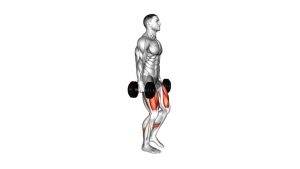
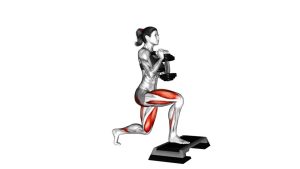
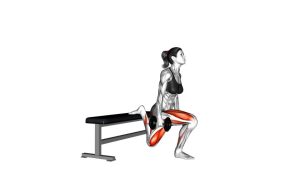
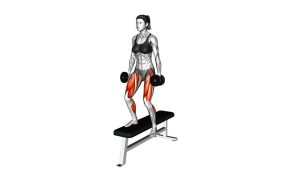
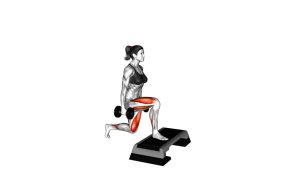
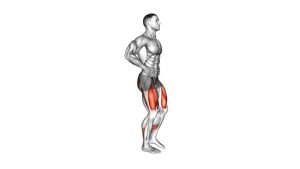
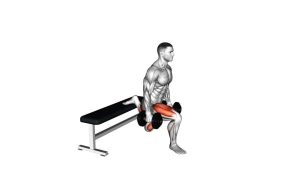
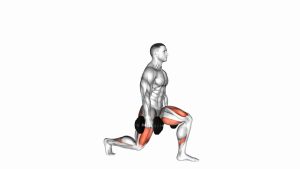
This exercise is excellent for developing balanced leg strength because each leg works independently. The front leg performs most of the work, while the rear leg provides support and balance. A clean Dumbbell Split Squat should feel controlled, stable, and smooth from the top position to the bottom position.
Quick Overview
| Body Part | Legs |
|---|---|
| Primary Muscle | Quadriceps |
| Secondary Muscle | Glutes, hamstrings, calves, core stabilizers |
| Equipment | Dumbbells |
| Difficulty | Beginner to Intermediate |
Sets & Reps (By Goal)
- Muscle growth: 3–4 sets × 8–12 reps per leg with controlled tempo.
- Strength: 4–5 sets × 5–8 reps per leg using heavier dumbbells and full control.
- Beginner practice: 2–3 sets × 8–10 reps per leg using light dumbbells or bodyweight.
- Balance and control: 2–4 sets × 10–15 reps per leg with a slower lowering phase.
Progression rule: Increase reps first, then increase dumbbell weight once your depth, knee tracking, and balance remain consistent.
Setup / Starting Position
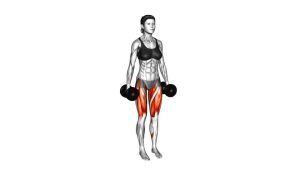
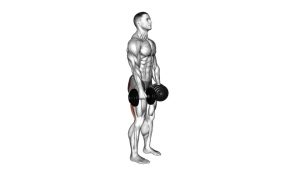
- Hold the dumbbells: Stand tall with one dumbbell in each hand and your arms relaxed at your sides.
- Set your stance: Step one foot forward and the other foot back into a split stance.
- Plant the front foot: Keep the front heel flat and the toes pointing forward or slightly outward.
- Position the rear foot: Stay on the ball of the back foot with the rear heel lifted.
- Brace your torso: Keep your chest tall, ribs controlled, and core lightly engaged.
Your stance should be long enough to allow the rear knee to lower comfortably without forcing the front knee too far forward.
Execution (Step-by-Step)
- Start tall: Keep the dumbbells still at your sides and maintain a strong upright posture.
- Lower straight down: Bend both knees and drop the rear knee toward the floor under control.
- Track the front knee: Let the front knee follow the direction of the toes without collapsing inward.
- Reach full depth: Lower until the front thigh is near parallel or the rear knee is close to the floor.
- Drive through the front foot: Push through the front heel and midfoot to rise back up.
- Finish stable: Return to the top without stepping, bouncing, or swinging the dumbbells.
Pro Tips & Common Mistakes
- Keep the front heel down: Lifting the heel reduces stability and can shift stress into the knee.
- Avoid pushing from the rear leg: The front leg should perform most of the work.
- Do not rush the descent: Lower slowly to build tension and protect your joints.
- Keep dumbbells quiet: Swinging the weights usually means the load is too heavy or the tempo is too fast.
- Use a consistent stance: Resetting foot distance every rep makes progress harder to track.
- Control the bottom position: Do not bounce the rear knee off the floor.
FAQ
Is the Dumbbell Split Squat the same as a lunge?
It is similar, but not exactly the same. A Dumbbell Split Squat is stationary, meaning your feet stay in place. A lunge usually involves stepping forward, backward, or walking between reps.
What muscles does the Dumbbell Split Squat work?
The main target is the quadriceps of the front leg. The glutes, hamstrings, calves, and core also work to stabilize the body.
Should my torso stay upright?
Yes, mostly. A slight forward lean is normal, but your chest should stay lifted and your spine should remain neutral.
Why do I lose balance during split squats?
Balance issues usually come from a stance that is too narrow, weights that are too heavy, or rushing the movement. Widen your stance slightly and use lighter dumbbells until the pattern feels stable.
Is this exercise good for building muscle?
Yes. The Dumbbell Split Squat is excellent for hypertrophy because it loads each leg separately and creates strong tension through the quads and glutes.
Recommended Equipment
- Adjustable Dumbbells — useful for progressive overload and home leg training.
- Rubber Hex Dumbbells — stable, durable dumbbells for split squats and lower-body workouts.
- Non-Slip Exercise Mat — helps improve foot grip and protects the floor during training.
- Weightlifting Shoes — provide a firm base and better lower-body stability.
- Workout Gloves / Grip Support — helps improve dumbbell grip during longer leg sessions.
Choose equipment that supports stable form first. Heavier dumbbells are useful only when your balance, depth, and control are already consistent.