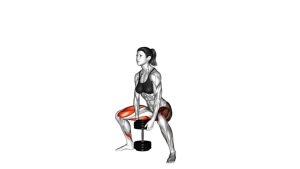
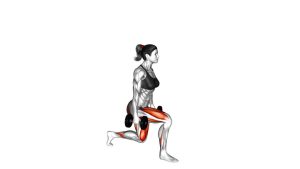
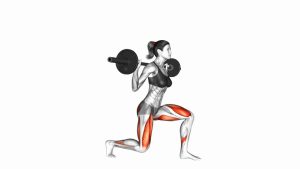
Step-Up on Chair: Proper Form, Muscles Worked, Benefits & Tips
Learn the Step-Up on Chair exercise for stronger legs, glutes, balance, and control. Includes setup, form cues, sets, mistakes, FAQ, and equipment.
Step-Up on Chair
This exercise is excellent for building real-world leg strength because each leg works independently. It helps improve balance, knee control, hip stability, and functional strength for stairs, sports, walking uphill, and lower-body conditioning.
Quick Overview
| Body Part | Legs |
|---|---|
| Primary Muscle | Quadriceps and gluteus maximus |
| Secondary Muscle | Hamstrings, calves, gluteus medius, adductors, and core stabilizers |
| Equipment | Chair, step, bench, or sturdy elevated platform |
| Difficulty | Beginner to Intermediate, depending on chair height and balance control |
Sets & Reps (By Goal)
- Beginner control: 2–3 sets × 6–8 reps per leg with slow tempo
- Muscle strength: 3–4 sets × 8–12 reps per leg with full control
- Glute emphasis: 3–4 sets × 10–12 reps per leg, driving through the heel
- Balance and coordination: 2–3 sets × 8–10 reps per leg with a pause at the top
- Conditioning: 3–5 rounds × 30–45 seconds, alternating legs carefully
Progression rule: First improve control and balance. Then increase reps, slow the lowering phase, use a higher step, or add dumbbells.
Setup / Starting Position
- Choose a stable platform: Use a chair, box, bench, or step that does not move during the exercise.
- Stand tall in front of it: Keep your feet about hip-width apart and your chest lifted.
- Place one foot fully on top: The entire working foot should be supported, not just the toes.
- Brace your core: Keep your ribs down, spine neutral, and shoulders relaxed.
- Align the knee: The working knee should track in the same direction as the toes.
Execution (Step-by-Step)
- Shift weight forward: Move your body weight onto the foot placed on the chair.
- Drive through the working leg: Push mainly through the heel and midfoot of the elevated foot.
- Stand up tall: Extend the knee and hip until your body is upright on top of the chair.
- Control the top position: Pause briefly without leaning, wobbling, or rushing.
- Lower with control: Bend the working knee and hip slowly as the opposite foot returns to the floor.
- Reset before the next rep: Keep the movement clean and repeat on the same side or alternate legs.
Pro Tips & Common Mistakes
- Use a stable surface: A moving chair can make the exercise unsafe and reduce proper force production.
- Do not push off the back leg: The lower foot should assist minimally, not launch you upward.
- Keep the full foot on the chair: Partial foot placement increases instability and can overload the knee.
- Control the descent: Lowering slowly builds more strength and protects the knee.
- Keep the knee aligned: Avoid letting the knee collapse inward during the lift or lowering phase.
- Stay tall at the top: Finish with full hip extension instead of stopping halfway.
- Choose the right height: If your hip shifts, knee caves in, or balance fails, the platform is too high.
FAQ
What muscles does the Step-Up on Chair work?
The Step-Up on Chair mainly works the quadriceps and glutes. It also trains the hamstrings, calves, hip stabilizers, and core because the body must balance on one leg.
Is the Step-Up on Chair good for beginners?
Yes, it can be beginner-friendly when the chair or step height is safe and manageable. Beginners should start with a lower surface before using a higher chair.
Should I feel Step-Ups more in my glutes or quads?
You may feel both. A more upright torso usually emphasizes the quads, while a slight forward lean with strong heel pressure can increase glute involvement.
Why do I lose balance during Step-Ups?
Balance issues often come from using a platform that is too high, placing only part of the foot on the chair, rushing the movement, or lacking hip stability. Slow the tempo and use a lower step if needed.
Can I add weight to this exercise?
Yes. Once bodyweight reps are controlled, you can hold dumbbells, kettlebells, or a weighted vest. Add load only when your knee tracking, balance, and descent stay clean.
Recommended Equipment
- Adjustable Aerobic Step Platform — safer and more stable than many chairs for step-up training
- Plyometric Box — useful for step-ups, box squats, jumps, and lower-body strength work
- Non-Slip Exercise Mat — helps reduce slipping and improves home workout safety
- Hex Dumbbells — ideal progression tool once bodyweight step-ups feel controlled
- Weighted Vest — adds resistance while keeping the hands free for balance
Tip: For best safety, choose a platform with a wide base, non-slip surface, and height that matches your current strength and mobility.