Dumbbell Side Lunge: Proper Form, Muscles & Benefits
Learn the dumbbell side lunge with proper form, step-by-step instructions, muscles worked, sets and reps, common mistakes, and tips for stronger legs.
Dumbbell Side Lunge
What Is the Dumbbell Side Lunge?
The Dumbbell Side Lunge (Version 3) is a lower-body exercise performed by shifting body weight sideways while holding a single dumbbell. Unlike a forward lunge, the movement primarily occurs in the frontal plane.
Additionally, the exercise challenges the quadriceps, glutes, and inner-thigh muscles. The core also contributes by maintaining a stable torso throughout each repetition.
How Does Version 3 Work?
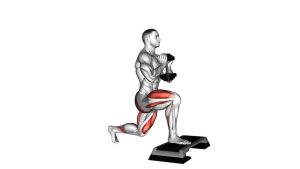
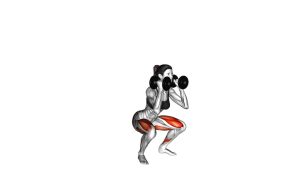
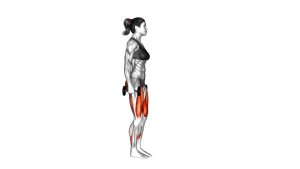
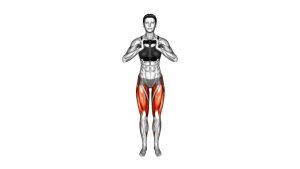
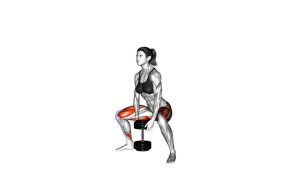
First, the athlete begins standing upright with the dumbbell held vertically at chest height. Next, one foot steps sideways while the hips move backward and downward.
Meanwhile, the opposite leg extends laterally. The athlete then pushes through the supporting foot to return to standing. Finally, the movement is repeated toward the other side.
What Makes This Variation Different?
Unlike a conventional lateral lunge, the demonstrated sequence includes a deeper side-extended squat position. Consequently, the exercise challenges strength and mobility through a wider range.
However, the movement is not identical to a traditional Cossack squat. Instead, it combines characteristics of a goblet lateral lunge and a side-squat variation.
Who Should Perform This Exercise?
Intermediate lifters can use this movement to develop lateral strength and stability. Furthermore, athletes may benefit from practicing controlled side-to-side movement.
Beginners can start with a bodyweight variation. Nevertheless, they should develop adequate balance before introducing additional resistance.
Quick Overview
| Body Part | Legs |
|---|---|
| Primary Muscle | Quadriceps, Gluteus Maximus, Hip Adductors |
| Secondary Muscle | Gluteus Medius, Hamstrings, Calves, Core Stabilizers |
| Equipment | One Dumbbell |
| Difficulty | Intermediate |
Dumbbell Side Lunge Benefits
Builds Lower-Body Strength
The dumbbell side lunge challenges the quadriceps and glutes during both the lowering and lifting phases. Additionally, the external resistance increases the muscular demand.
As a result, consistent training can contribute to stronger lower-body muscles. However, proper technique should always take priority over heavier resistance.
Strengthens the Inner Thighs
The hip adductors contribute to lateral movement and pelvic control. Furthermore, the wide stance challenges these muscles through changing hip angles.
Improves Lateral Stability
Unlike exercises performed primarily forward and backward, side lunges challenge frontal-plane stability. Consequently, the athlete must control body weight while moving sideways.
Supports Hip Mobility
The extended-leg position introduces a useful mobility challenge. However, the athlete should increase movement depth gradually rather than forcing the hips into position.
Challenges Core Control
Holding the dumbbell at chest height requires additional torso stabilization. Meanwhile, the abdominal muscles help limit excessive rotation during the lateral weight transfer.
Sets & Reps (By Goal)
Training volume should match the athlete’s experience and primary goal. Therefore, choose a dumbbell that allows controlled repetitions without losing balance.
Strength Development
- Sets: 3–4
- Repetitions: 6–8 per side
- Rest: 90–120 seconds
- Intensity: Moderately heavy
Use challenging resistance while maintaining a stable supporting knee. Additionally, control the descent instead of dropping quickly into the bottom position.
Muscle Hypertrophy
- Sets: 3–4
- Repetitions: 8–12 per side
- Rest: 60–90 seconds
- Intensity: Moderate resistance
Focus on consistent muscular tension throughout each repetition. Furthermore, maintain a controlled lowering phase to improve exercise quality.
Muscular Endurance
- Sets: 2–3
- Repetitions: 12–15 per side
- Rest: 45–60 seconds
- Intensity: Light to moderate
Select a manageable dumbbell and maintain steady breathing. Additionally, avoid rushing repetitions as fatigue increases.
Mobility and Movement Control
- Sets: 2–3
- Repetitions: 6–10 per side
- Rest: 30–60 seconds
- Intensity: Bodyweight or light
Move slowly into the lateral position. Meanwhile, focus on balance and comfortable hip movement.
Rehabilitation-Oriented Training
- Sets: 1–2
- Repetitions: 5–8 per side
- Rest: 60–90 seconds
- Intensity: Clinician-approved
Rehabilitation exercises require individual assessment. Therefore, anyone recovering from an injury should follow guidance from a qualified healthcare professional.
Setup / Starting Position
Step 1: Choose Your Dumbbell
Select one dumbbell that can be held securely with both hands. Initially, choose a light weight to practice the lateral movement.
Step 2: Establish the Goblet Grip
Hold the dumbbell vertically in front of your upper chest. Additionally, keep the elbows pointing downward and the shoulders relaxed.
Step 3: Position Your Feet
Stand upright with the feet approximately hip-width apart. Meanwhile, distribute your weight evenly before beginning the movement.
Step 4: Brace Your Core
Gently tighten the abdominal muscles while maintaining a neutral spine. Furthermore, keep the chest lifted and the head aligned with the torso.
Step 5: Prepare to Move Sideways
Choose the direction of your first repetition. Then, prepare to step laterally without rotating the torso or swinging the dumbbell.
Execution (Step-by-Step)
Step 1: Begin Standing Upright
Start with the dumbbell held vertically against your chest. Before moving, brace the core and maintain a forward gaze.
Step 2: Step Laterally
Take a controlled step toward one side. As the foot lands, gradually transfer body weight toward that leg.
Step 3: Bend the Supporting Knee
Bend the weight-bearing knee while moving the hips backward and downward. Meanwhile, maintain a stable foot and allow the torso to incline slightly forward.
Step 4: Extend the Opposite Leg
Allow the opposite leg to extend sideways as the body lowers. However, avoid aggressively locking the extended knee.
Step 5: Control the Bottom Position
Lower into a comfortable lateral squat position. Additionally, keep the supporting knee aligned with the general direction of the toes.
The demonstrated variation includes a deeper side-extended position. Nevertheless, maximum depth is unnecessary when mobility or balance is limited.
Step 6: Push Through the Supporting Foot
Press through the planted foot to begin rising. Next, extend the supporting knee and hip while maintaining a stable torso.
Step 7: Return to Standing
Bring the extended leg inward as the body rises. Subsequently, return to an upright and balanced position.
Step 8: Repeat on the Opposite Side
Perform the same movement toward the opposite side. Finally, return to standing and continue for the prescribed number of repetitions.
Dumbbell Side Lunge Muscles Worked
Quadriceps
The quadriceps help control knee flexion during the descent. Subsequently, they contribute to knee extension as the athlete returns to standing.
Gluteus Maximus
The gluteus maximus contributes to hip extension during the upward phase. Additionally, it helps control the hips while lowering.
Hip Adductors
The adductor muscles contribute to lateral hip control. Furthermore, they help manage the wide stance and changing hip positions.
Gluteus Medius
The gluteus medius assists with pelvic stabilization. Consequently, it helps maintain balance during the lateral weight transfer.
Hamstrings and Calves
The hamstrings assist hip control, while the calves stabilize the ankle and foot. Together, these muscles support a controlled lower-body position.
Core Stabilizers
The abdominal and spinal stabilizers help maintain torso alignment. Meanwhile, the goblet-held dumbbell increases the demand for controlled trunk positioning.
Pro Tips & Common Mistakes
Pro Tip 1: Keep the Dumbbell Close
Hold the dumbbell against the chest throughout the movement. As a result, the weight remains easier to control during lateral transitions.
Pro Tip 2: Control the Descent
Lower for approximately two to three seconds. Additionally, avoid bouncing through the bottom position.
Pro Tip 3: Maintain Foot Stability
Keep the supporting foot planted throughout the repetition. Meanwhile, distribute pressure across the heel and forefoot.
Pro Tip 4: Use Comfortable Depth
Descend only as far as your mobility permits. Therefore, prioritize control over maximum range.
Pro Tip 5: Train Both Sides
Perform a similar number of repetitions on each side. Furthermore, use a manageable movement depth for both legs.
Common Mistake 1: Knee Collapsing Inward
Excessive inward knee movement may reduce stability. Instead, guide the supporting knee in the general direction of the toes.
Common Mistake 2: Excessive Forward Lean
Some torso inclination is natural. However, excessive rounding can make balance more difficult. Therefore, reduce resistance if torso control becomes inconsistent.
Common Mistake 3: Moving Too Quickly
Rushing the lateral movement can reduce coordination. Consequently, slower repetitions are often preferable when learning the exercise.
Common Mistake 4: Forcing Maximum Depth
A deeper side squat requires adequate hip and ankle mobility. Nevertheless, a shallower repetition remains useful when performed correctly.
Common Mistake 5: Swinging the Dumbbell
Moving the dumbbell away from the chest may disturb balance. Instead, maintain a secure goblet grip throughout the movement.
Common Mistake 6: Uneven Repetitions
One side may initially feel stronger than the other. However, avoid compensating by rushing the weaker side. Instead, use controlled repetitions in both directions.
Dumbbell Side Lunge Variations
Bodyweight Side Lunge
Remove the dumbbell and perform the same lateral movement. Therefore, this variation is useful for learning balance and coordination.
Goblet Lateral Lunge
Hold one dumbbell close to the chest while stepping sideways. Additionally, increase resistance gradually as technique improves.
Stationary Lateral Squat
Begin with a wide stance and shift toward one side. Unlike a stepping lunge, the feet remain positioned throughout the repetition.
Dumbbell Cossack-Style Squat
Lower toward one leg while extending the opposite leg. However, this deeper variation requires sufficient mobility and controlled balance.
Alternating Dumbbell Side Lunge
Alternate left and right repetitions while returning to standing between sides. Consequently, the exercise challenges coordination and repeated lateral movement.
Frequently Asked Questions (FAQ)
What muscles does the dumbbell side lunge work?
The exercise primarily targets the quadriceps, glutes, and hip adductors. Additionally, the hamstrings, calves, and core muscles assist with stability.
Is the dumbbell side lunge good for glutes?
Yes. The gluteus maximus contributes to hip extension. Meanwhile, the gluteus medius helps stabilize the pelvis during lateral movement.
What is the difference between a side lunge and a Cossack squat?
A side lunge typically includes a lateral step followed by a return to standing. In contrast, a Cossack squat usually starts from a wide stance and involves a deeper lateral squat.
How heavy should the dumbbell be?
Choose a weight that allows stable and controlled repetitions. Initially, beginners should practice with bodyweight. Subsequently, resistance can increase as technique improves.
Should the extended leg remain straight?
The opposite leg generally remains relatively extended. However, slight knee flexion is acceptable when needed for comfort and control.
How deep should I go?
Lower only as far as your balance and mobility permit. Therefore, avoid forcing maximum depth at the expense of technique.
Can beginners perform this exercise?
Yes. Beginners can start with a shallow bodyweight lateral lunge. Afterward, a light dumbbell may be introduced gradually.
Are dumbbell side lunges good for inner thighs?
Yes. The hip adductors help control the lateral position. Consequently, this exercise can complement other inner-thigh strengthening movements.
How often should I train side lunges?
Many healthy adults can include side lunges one to three times per week. However, training frequency should reflect recovery and overall workload.
Should I alternate legs?
Both alternating and single-side sets are useful. For example, alternating repetitions emphasize coordination. Conversely, completing one side first allows focused practice.
What if my knees hurt?
Stop painful repetitions and reduce the movement depth. Furthermore, check knee alignment and resistance. If pain persists, seek professional guidance.
Can side lunges replace traditional squats?
Side lunges challenge movement in a different direction. Therefore, they generally work best alongside traditional squats rather than replacing every squat variation.
Recommended Equipment
The dumbbell side lunge requires only one dumbbell and a stable training surface. However, additional equipment can support warm-ups and training progression.
1. Adjustable Dumbbell Set
Adjustable dumbbells allow gradual resistance progression. Furthermore, they provide multiple weight options without requiring numerous individual dumbbells.
2. Rubber Hex Dumbbell
A rubber hex dumbbell provides a practical fixed-weight option. Additionally, its flat-sided design can reduce rolling when placed on the floor.
3. Resistance Loop Bands
Resistance bands are useful for supplementary glute exercises and lateral warm-ups. Moreover, they are lightweight and easy to transport.
4. Non-Slip Exercise Mat
An exercise mat can support floor-based mobility drills. However, loaded side lunges should be performed on a firm and stable surface.
5. High-Density Foam Roller
A foam roller can complement general warm-up and recovery routines. For example, gentle rolling may temporarily improve comfort before mobility exercises.
Amazon links open product-category search results. Consequently, readers can compare available models, prices, and specifications before purchasing.