Barbell Deadlift: Proper Form, Sets, Muscles Worked, Tips & FAQ
Learn how to perform the Barbell Deadlift with proper form to build glutes, hamstrings, and full-body pulling strength. Includes setup, execution, sets by goal, mistakes, FAQ, and recommended equipment.
Barbell Deadlift
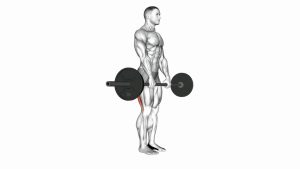
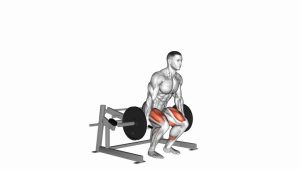
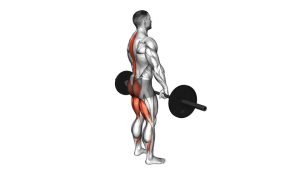
This exercise rewards strong setup discipline and consistent technique. A good deadlift should feel stable through the feet, braced through the core, and powerful through the hips. The bar should travel close to the body from floor to lockout, with both sides moving evenly. Avoid jerking the bar off the ground, rounding the back, or leaning excessively backward at the top.
Quick Overview
| Body Part | Legs |
|---|---|
| Primary Muscle | Glutes |
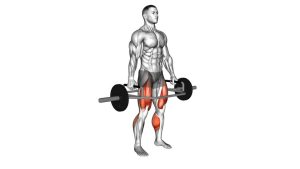
| Secondary Muscle | Hamstrings, spinal erectors, quadriceps, adductors, upper back, forearms |
| Equipment | Barbell, weight plates, flat lifting surface |
| Difficulty | Intermediate (high-skill compound strength movement) |
Sets & Reps (By Goal)
- Strength: 3–5 sets × 3–6 reps, 2–4 min rest
- Muscle building: 3–4 sets × 6–10 reps, 90–150 sec rest
- Technique practice: 3–5 sets × 3–5 reps with moderate load, 2–3 min rest
- Power-focused pulling: 4–6 sets × 2–4 reps with crisp bar speed, 2–3 min rest
Progression rule: Add load only when you can keep the bar close, maintain a neutral spine, and finish each rep with controlled lockout and no excessive hitching.
Setup / Starting Position
- Set your stance: Stand with feet about hip- to shoulder-width apart, with toes slightly turned out if needed.
- Position the bar: The bar should start over the midfoot, close to the shins.
- Hinge to the bar: Push the hips back, bend the knees enough to reach the bar, and grip it just outside the legs.
- Brace the upper body: Pull the chest up, tighten the lats, and keep the spine neutral from head to pelvis.
- Build full-body tension: Take a breath, brace the core, and lightly pull the slack out of the bar before the lift begins.
Tip: Think “push the floor away” rather than yanking the bar upward. A strong start comes from tension and leg drive, not speed alone.
Execution (Step-by-Step)
- Drive through the floor: Begin the rep by pressing through the feet while keeping the bar close to the shins.
- Extend knees and hips together: Let the torso rise smoothly as the bar moves vertically upward.
- Keep the bar path tight: The bar should stay close to the legs from shin level to the thighs.
- Finish with hip extension: Stand tall by driving the hips through, without leaning back or shrugging hard.
- Lower with control: Hinge at the hips first, then bend the knees once the bar passes them, returning the bar to the floor in a controlled path.
Pro Tips & Common Mistakes
- Keep the bar close: A drifting bar increases stress on the back and weakens leverage.
- Brace before every rep: A strong breath and trunk brace improve stability and force transfer.
- Push the floor away: This helps you use the legs instead of yanking with the back.
- Do not round aggressively: Keep the chest set and spine neutral throughout the pull.
- Avoid overextending at lockout: Finish tall with glutes, not by leaning backward.
- Watch knee tracking: Knees should stay aligned with the feet rather than collapsing inward.
- Reset when needed: For heavy reps, re-brace and rebuild tension instead of rushing the next pull.
FAQ
What muscles does the Barbell Deadlift work the most?
The deadlift primarily targets the glutes and the rest of the posterior chain, especially the hamstrings and spinal erectors. The quadriceps, upper back, grip, and core also work hard.
Should the deadlift feel more in the back or in the legs?
You should feel strong involvement through the hips, glutes, hamstrings, and trunk. The lower back should work to stabilize, but it should not feel like the only thing doing the lift.
Is the Barbell Deadlift more of a leg exercise or a back exercise?
It is best viewed as a full-body compound hinge. It heavily trains the posterior chain, combining major contributions from the glutes, hamstrings, legs, back, and core.
How do I know if my bar path is correct?
A good bar path stays close to the body with minimal horizontal drift. From the front, the bar should also stay level and centered without one side rising faster than the other.
Can beginners use the Barbell Deadlift?
Yes, but beginners should start light and focus on setup, bracing, and hip hinge mechanics before chasing heavy loads. Many lifters benefit from learning with submaximal sets and careful rep quality first.
Recommended Equipment
- Weightlifting Belt / Deadlift Belt — helps improve trunk bracing and support during heavier pulling
- Lifting Straps — useful when grip becomes the limiting factor on higher-volume or heavy sets
- Barbell Collars — keep plates secure and stable during repeated pulls
- Deadlift Socks — help protect the shins when the bar tracks close to the legs
- Flat-Sole Lifting Shoes — provide a stable base for pulling and improve floor connection
Tip: Accessories should support technique, not replace it. Prioritize bar path, bracing, and clean hip extension first.