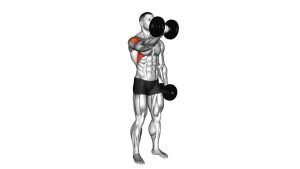
Dumbbell Standing Driver: Form, Muscles Worked, Sets, Tips & FAQ
Learn how to do the Dumbbell Standing Driver with proper form for stronger shoulders, better control, and more time under tension. Includes muscles worked, sets by goal, setup, execution, mistakes, FAQ, and recommended equipment.
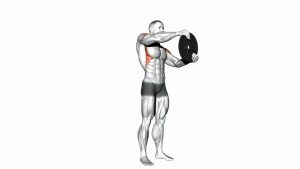
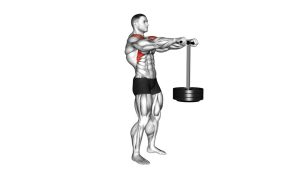
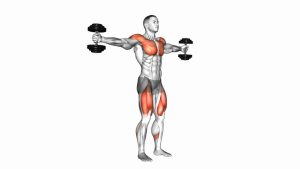
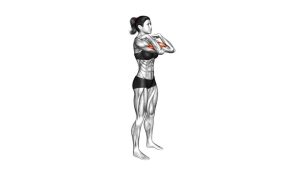
Dumbbell Standing Driver
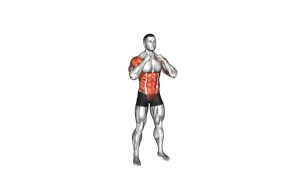
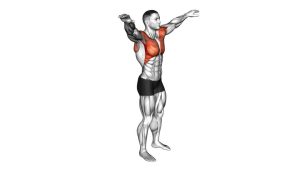
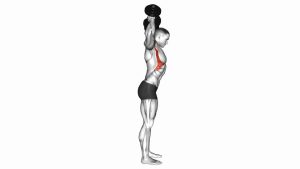
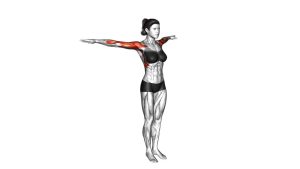
This movement is less about heavy loading and more about continuous tension, positional control, and shoulder endurance. Because the dumbbell stays extended in front of the body, the front delts work hard the entire time, while the forearms, upper chest, and core assist with stability. Use a weight you can rotate smoothly without dropping the arms or twisting the torso.
Quick Overview
| Body Part | Shoulders |
|---|---|
| Primary Muscle | Anterior deltoids (front shoulders) |
| Secondary Muscle | Lateral deltoids, upper chest, forearms, core stabilizers |
| Equipment | 1 dumbbell |
| Difficulty | Beginner to Intermediate |
Sets & Reps (By Goal)
- Shoulder endurance: 2–4 sets × 20–40 total rotations, 30–60 sec rest
- Muscle burn / finisher: 2–3 sets × 30–60 seconds continuous work, 45–75 sec rest
- Technique & control: 2–3 sets × 12–20 slow rotations, light weight, 30–45 sec rest
- Warm-up activation: 1–2 sets × 10–15 controlled rotations with very light resistance
Progression rule: Add time, cleaner control, or slightly longer sets before increasing load. If your arms start dropping or your torso twists, the weight is too heavy.
Setup / Starting Position
- Stand tall: Place your feet about shoulder-width apart and keep a soft bend in the knees.
- Brace the torso: Tighten the core gently and keep the ribs stacked over the hips.
- Hold one dumbbell with both hands: Grip the top end or outer head securely so you can rotate it smoothly.
- Raise the arms in front: Bring the dumbbell to about shoulder height with the elbows slightly bent.
- Set the shoulders: Keep the shoulders down and away from the ears before the first rotation.
Tip: The lighter the dumbbell, the easier it is to learn clean steering-wheel mechanics without compensation.
Execution (Step-by-Step)
- Lock in the front hold: Keep the dumbbell extended in front of the chest at shoulder level.
- Rotate to one side: Turn the dumbbell like a steering wheel so one hand moves slightly up while the other moves slightly down.
- Pause briefly under control: Do not jerk the dumbbell or bounce at the edge of the range.
- Return through center: Bring the dumbbell back to neutral without dropping the arms.
- Rotate to the opposite side: Repeat the same controlled action to the other side.
- Continue with steady rhythm: Maintain constant tension until the set is complete.
Pro Tips & Common Mistakes
- Keep the arms level: Letting the dumbbell sink lower reduces the shoulder challenge.
- Use a small controlled turn: You do not need huge rotation to make this effective.
- Do not rush the reps: Smooth tension works better than fast spinning.
- Keep the wrists stacked: Avoid awkward bending that creates unnecessary wrist strain.
- Do not shrug: Keep upper traps from taking over by staying long through the neck.
- Avoid leaning back: Excessive back arch usually means the weight is too heavy.
- Use it as a finisher: This exercise works very well after presses, raises, or other shoulder work.
FAQ
What muscles does the Dumbbell Standing Driver work most?
The front delts do most of the work because the arms stay elevated in front of the body. The side delts, forearms, upper chest, and core also help stabilize the movement.
Is this a mass-building shoulder exercise?
It is better known as a control, endurance, and burn-style movement than a primary mass-builder. It works best as an accessory exercise, finisher, or warm-up.
How heavy should the dumbbell be?
Start lighter than you think. You should be able to keep the arms at shoulder height and rotate without torso movement, shoulder shrugging, or wrist discomfort.
Can beginners use this exercise?
Yes. Beginners can use a light dumbbell and shorter sets to learn shoulder control and improve muscular endurance safely.
Where should I place this in my workout?
It fits well near the end of a shoulder workout, after presses and raises, or early in the session as a light activation drill.
Recommended Equipment
- Adjustable Dumbbell Set — practical for progressing load without needing multiple dumbbells
- Wrist Wraps — useful if longer front-held sets make your wrists feel unstable
- Resistance Bands Set — great for pairing with shoulder warm-ups, pull-aparts, and mobility work
- Exercise Mat — helpful for a complete home-training setup and accessory floor work
- Adjustable Weight Bench — useful if you want to combine this exercise with a fuller shoulder routine
Tip: Prioritize a manageable dumbbell weight first. This exercise gets hard quickly when the arms stay elevated for long periods.