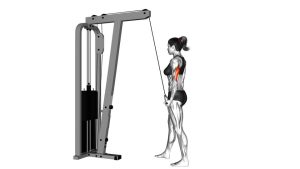
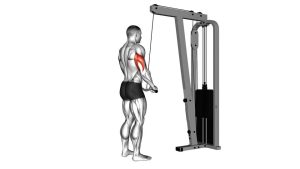
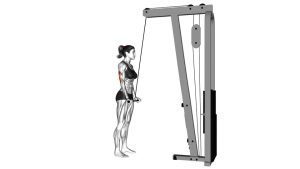
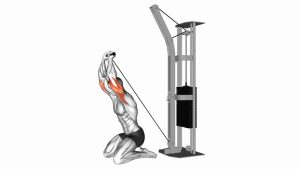
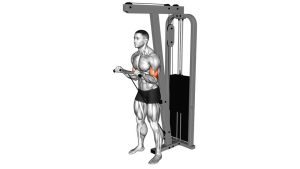
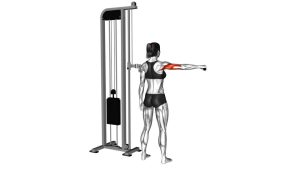
Cable Standing One-Arm Triceps Extension: Form, Sets, Tips & FAQ
Learn the Cable Standing One-Arm Triceps Extension with proper form, setup, sets by goal, common mistakes, FAQs, and recommended equipment to build stronger, more defined triceps.
Cable Standing One-Arm Triceps Extension
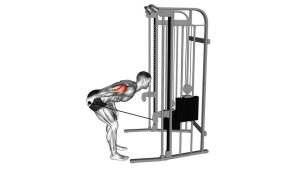
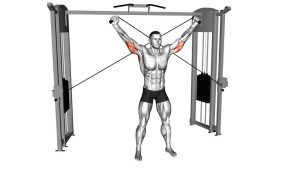
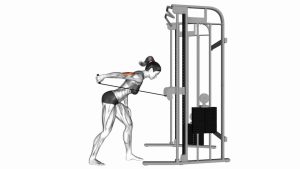
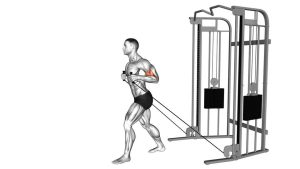
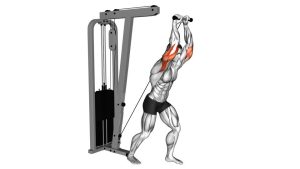
This exercise works best when the elbow stays controlled and the shoulder stays quiet. The goal is to move through the rep by extending the elbow, not by swinging the torso or shifting the arm all over the place. You should feel a strong contraction in the back of the upper arm, with the cable providing steady resistance through both the lifting and lowering phases.
Quick Overview
| Body Part | Triceps |
|---|---|
| Primary Muscle | Triceps brachii |
| Secondary Muscle | Shoulder stabilizers, forearm stabilizers, core |
| Equipment | Cable machine with single handle attachment |
| Difficulty | Beginner to Intermediate |
Sets & Reps (By Goal)
- Muscle growth: 3–4 sets × 10–15 reps per arm, 45–75 sec rest
- Strength-focused control: 3–5 sets × 6–10 reps per arm, 60–90 sec rest
- Definition / pump work: 2–4 sets × 12–20 reps per arm, 30–60 sec rest
- Technique practice: 2–3 sets × 10–12 smooth reps per arm with light weight
Progression rule: First improve control and full triceps contraction, then increase reps, and only after that add more load.
Setup / Starting Position
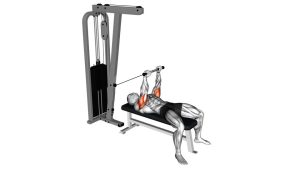
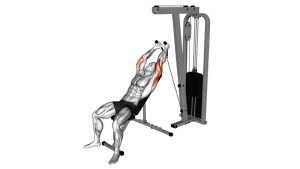
- Set the pulley: Position the cable at an appropriate height based on the variation shown and attach a single handle.
- Take your grip: Hold the handle with one hand and step into a balanced standing stance.
- Align your body: Keep the chest up, ribs down, and core braced to avoid excessive back arching.
- Fix the upper arm: Bring the elbow into position and keep the upper arm mostly still throughout the set.
- Start under tension: Begin with the elbow bent and the triceps loaded before extending the arm.
Tip: A split stance or slight staggered stance can make it easier to stay balanced and prevent torso rotation.
Execution (Step-by-Step)
- Brace and stabilize: Lock in your posture, keep the elbow set, and avoid shrugging the shoulder.
- Extend the arm: Press or straighten the forearm by extending at the elbow until the arm is nearly straight.
- Squeeze the triceps: Pause briefly at the end range and contract the triceps hard without hyperextending the elbow.
- Lower with control: Slowly return to the starting position while resisting the cable.
- Repeat evenly: Maintain the same elbow path and tempo for each rep, then switch arms.
Pro Tips & Common Mistakes
- Keep the upper arm steady: Too much shoulder movement turns this into a different exercise.
- Do not rush the lowering phase: The eccentric helps build control and keeps tension on the triceps.
- Avoid torso twisting: Stay square and stable instead of rotating to move the handle.
- Do not flare the elbow excessively: Keep the path natural and controlled.
- Use a full but pain-free range: Stretch the triceps under control, then extend smoothly.
- Train both arms evenly: Unilateral cable work is great for spotting and correcting imbalances.
FAQ
What does the Cable Standing One-Arm Triceps Extension work?
It primarily targets the triceps brachii. Because it is done one arm at a time, it also challenges shoulder stability, grip, and core control.
Is this exercise good for building bigger triceps?
Yes. It is a strong hypertrophy option because the cable provides steady tension and the unilateral setup helps you focus on quality reps and balanced development.
Should I go heavy on this exercise?
Usually moderate weight works best. Going too heavy often causes torso rotation, elbow drift, and reduced triceps isolation.
What is the biggest mistake in this movement?
The most common mistake is using momentum instead of controlled elbow extension. If the shoulder and torso take over, the triceps stop doing most of the work.
Can beginners use this exercise?
Yes. Beginners can use it effectively with a light load to learn proper elbow control, improve mind-muscle connection, and build foundational triceps strength.
Recommended Equipment
- Single D-Handle Cable Attachment — ideal for one-arm cable extensions and other unilateral upper-body exercises
- Cable Machine Handle Attachment — useful if you want a durable grip option for triceps, curls, and rows
- Triceps Rope Attachment — great for adding variation to your cable triceps training routine
- Adjustable Weight Bench — helpful for pairing this exercise with other upper-body movements in a full arm workout
- Lifting Straps — optional support if grip fatigue limits your cable training volume
Tip: You do not need a lot of gear for this exercise. A good cable setup, a comfortable single handle, and controlled form will matter more than adding unnecessary accessories.